Great Barrier Reef Snorkeling Logo
English| USD
Suggested for you
More currencies
Book Now
Open today · 00:00 – 23:59

Great Barrier Reef Snorkeling

Great Barrier Reef Snorkeling — Marine Park Access & Guided Excursions

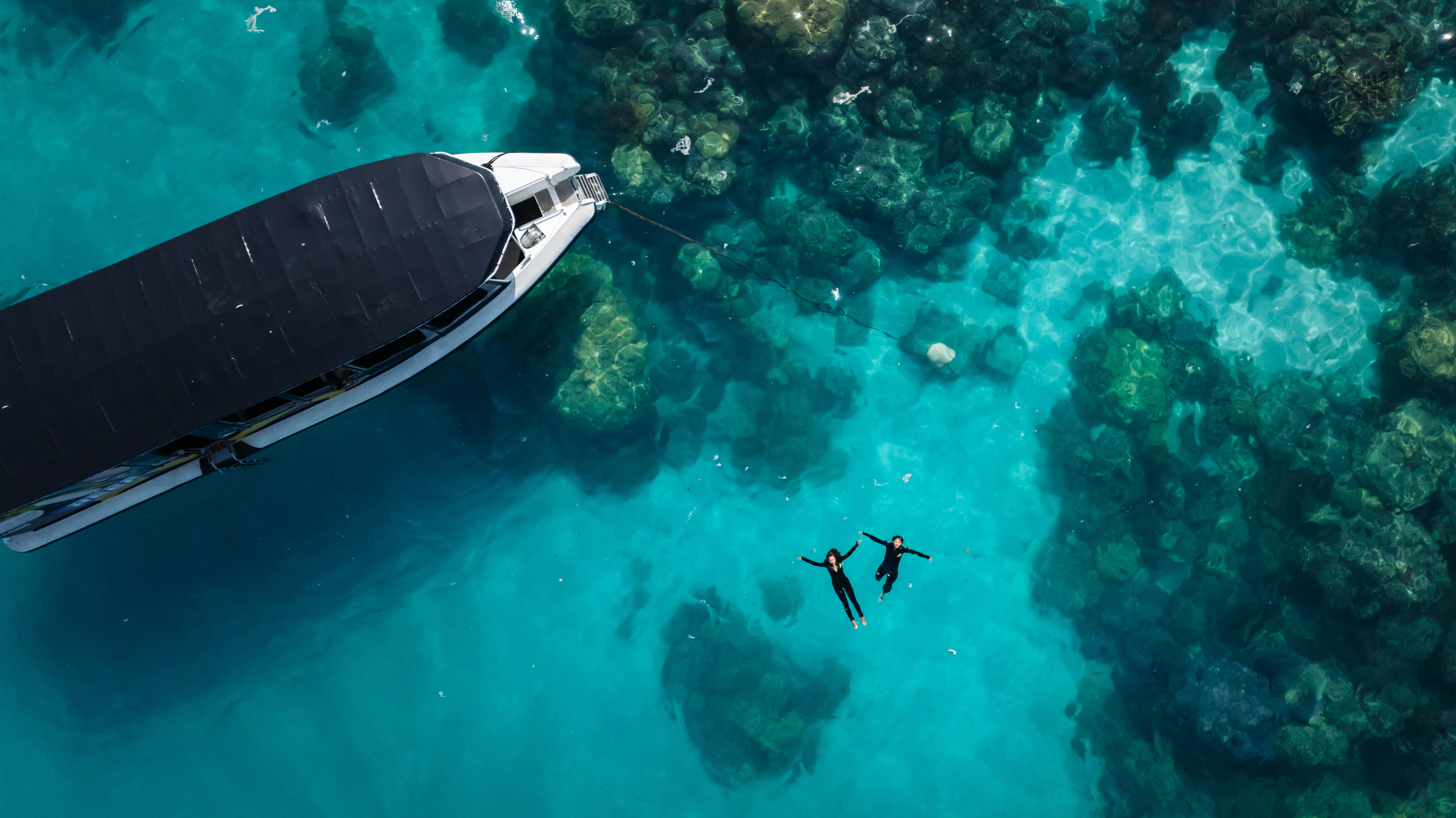
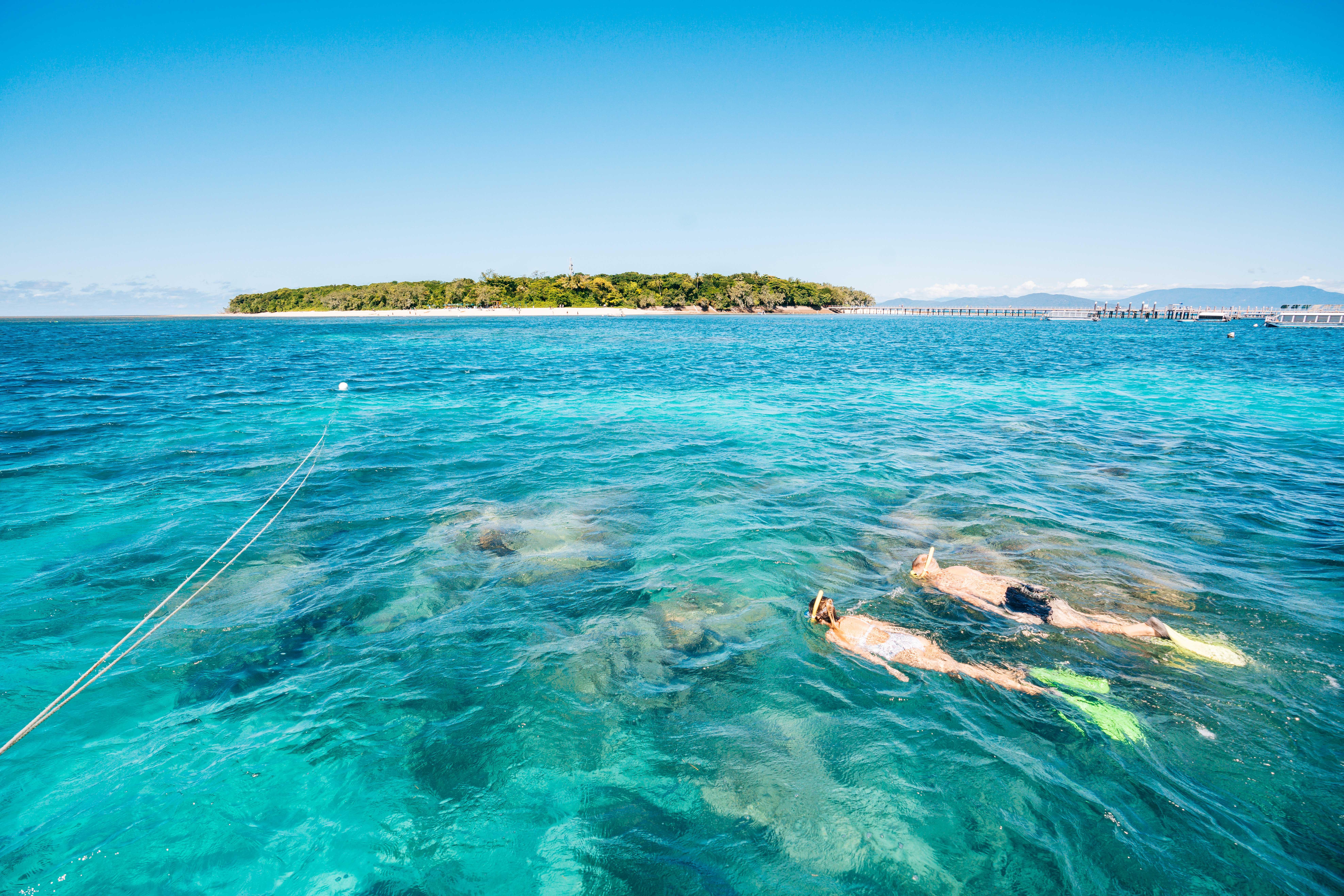
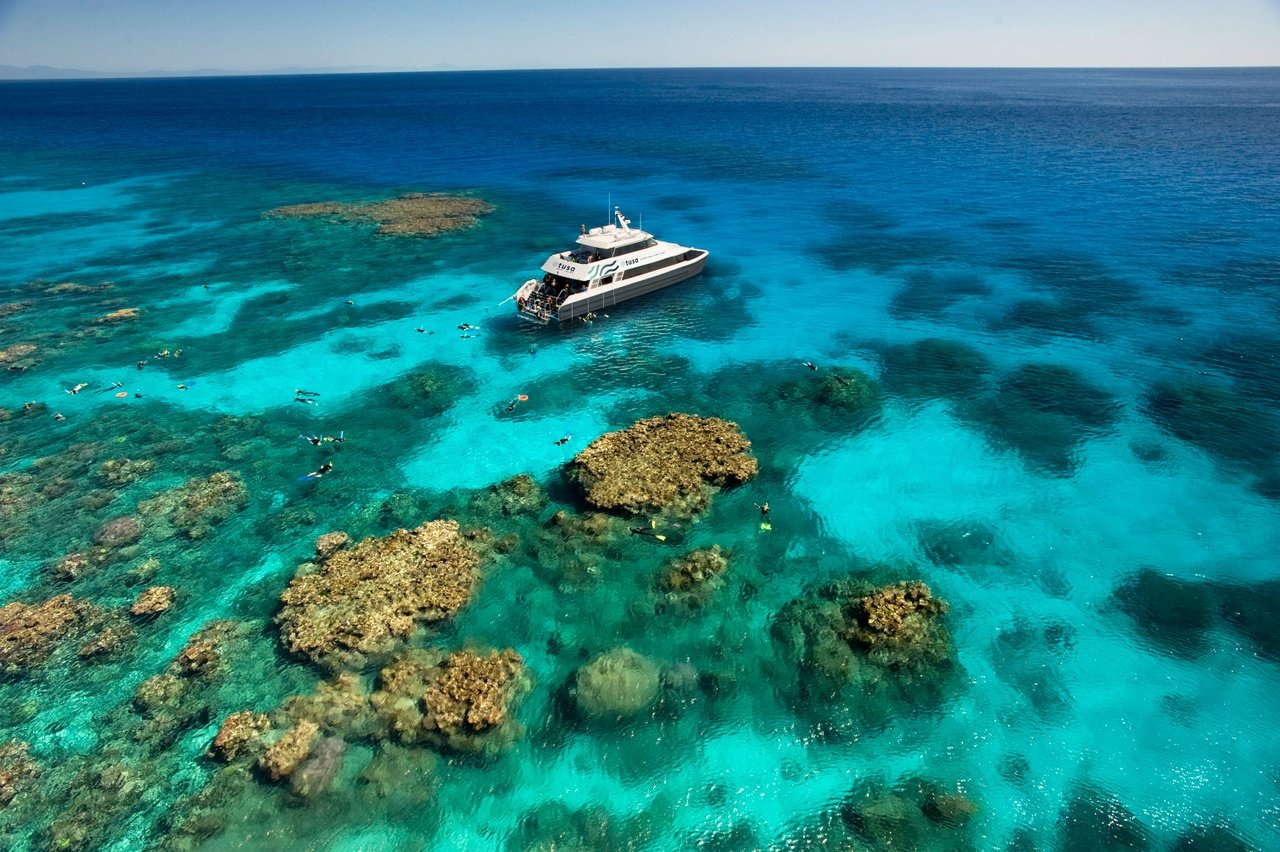
Float above coral gardens and reef walls, where clarity meets current in open water

4.9 /5 · 2,400 reviews
25K+ travelers chose this
Free Cancellation
Right now: Moderate — spring shoulder season Morning boat departures offer calmer seas and better underwater visibility
Full-day (7-8 hours)
1 Languages
Up to 60 passengers
Free Cancellation
Free cancellation Instant confirmation Mobile voucher Verified partner Book now, pay later
2,300 km
Reef length
Extends along Queensland coast
3,000+
Individual reefs
Includes diverse coral structures
8.5 AUD
Entrance fee
Environmental Management Charge
344,400 km²
Total area
The world's largest coral reef system
1,500+
Fish species
Inhabiting the marine park
Choose your ticket

Great Barrier Reef Snorkeling tickets at a glance

Compare fares, pick the fit — all bookings are mobile-voucher and eligible for free cancellation where shown.

Great Barrier Reef Half-Day Snorkeling Adventure 4 hr
Standard Entry

Great Barrier Reef Half-Day Snorkeling Adventure

4.7 (1923)
€110
  • Entry ticket
  • Mobile voucher
  • Valid same day
  • Free cancellation
Book this ticket
Half-Day Outer Great Barrier Reef Snorkeling Adventure 5 hr
Standard Entry

Half-Day Outer Great Barrier Reef Snorkeling Adventure

4.9 (621)
$147
  • Entry ticket
  • Mobile voucher
  • Valid same day
  • Free cancellation
Book this ticket
Compare options

Compare Great Barrier Reef Snorkeling ticket options

Experience DurationRatingLunchGuideSmall groupFree cancel. Price
Guided Experience
Most popular
Outer Great Barrier Reef Sailing Adventure
9 hr★ 4.8✓✓✓✓ $193 Book →
Standard Entry
Great Barrier Reef Half-Day Snorkeling Adventure
4 hr★ 4.7—✓✓✓ €110 Book →
Standard Entry
Half-Day Outer Great Barrier Reef Snorkeling Adventure
5 hr★ 4.9——✓✓ $147 Book →

Is Great Barrier Reef Snorkeling Worth the Price?

Worth it for marine life enthusiasts

The 8.5 AUD Environmental Management Charge sits at the lower end of reef access costs, typically bundled into tour packages ranging from 150 to 400 AUD depending on departure point and vessel type. What separates great barrier reef snorkeling from other marine experiences is direct access to the world's largest coral reef system—over 2,900 individual reefs spanning 344,400 square kilometers. You're paying for encounters with sea turtles, reef sharks, and thousands of fish species in their natural habitat, not a controlled aquarium setting. The Marine Park Authority enforces strict mooring and visitor limits, which means tour operators can only access designated sites, preserving reef health but also limiting spontaneity. Value peaks for confident swimmers willing to spend 3-4 hours on the water; it disappoints rushed visitors expecting Instagram moments in 30 minutes. Tours from Cairns cost less but involve longer travel time, while Port Douglas departures reach outer reef sites faster at premium rates. Non-swimmers can participate via glass-bottom boats or guided shallow-water sessions, though you'll miss the reef's vertical dimension. The charge funds active conservation work—reef monitoring, Crown of Thorns starfish removal, and climate research—so your visit directly supports ecosystem protection.

What makes it worth it

  • Access to UNESCO World Heritage marine biodiversity
  • Environmental fee funds active reef conservation programs
  • Multiple tour options fit different budgets
  • Year-round snorkeling availability in tropical waters
  • Outer reef sites offer exceptional water clarity

Keep in mind

  • Tour costs significantly exceed the 8.5 AUD charge
  • Weather and visibility vary, affecting experience quality
  • Seasonal jellyfish require protective suits
  • Crowded sites during peak Australian holiday periods

Bottom line: Great barrier reef snorkeling tours deliver measurable value for anyone prioritizing marine encounters over convenience, provided you allocate a full day and choose operators accessing outer reef sites.

Head to head

Great Barrier Reef Snorkeling From Cairns or Port Douglas — Which to Choose?

Most divers who compare both call Port Douglas the better base for great barrier reef snorkeling on pristine outer reef, while Cairns wins on departure convenience and choice of great barrier reef snorkeling tours.

Top pick
Cairns Departure
Port Douglas Reef Trips
Departure point Port Douglas Marina, 1hr north of Cairns
Reef zones reached Agincourt Reef, Low Isles (outer edge)
Boat travel time 45 minutes–1.5 hours each way
Typical crowd levels Lower — smaller boutique operators
Trip style Smaller boats, more personalized
Best suited for Snorkelers wanting quieter, clearer water

Verdict: Cairns offers more great barrier reef snorkeling tickets and flexible scheduling, while Port Douglas trades convenience for shorter boat rides to less crowded, often clearer outer reef sites.

Featured Experiences

Popular Great Barrier Reef Snorkeling tours & activities

Hand-picked experiences loved by thousands of travelers

Recommended Experience

Powered by GetYourGuide

Another traveler favorite

Powered by GetYourGuide
Outer Great Barrier Reef Snorkeling Adventure 8 hours Free Cancellation

Outer Great Barrier Reef Snorkeling Adventure

Full-day expedition to three pristine outer reef sites with marine biologist guides and gourmet lunch

4.9 (876)
FromFrom $231.06
See details
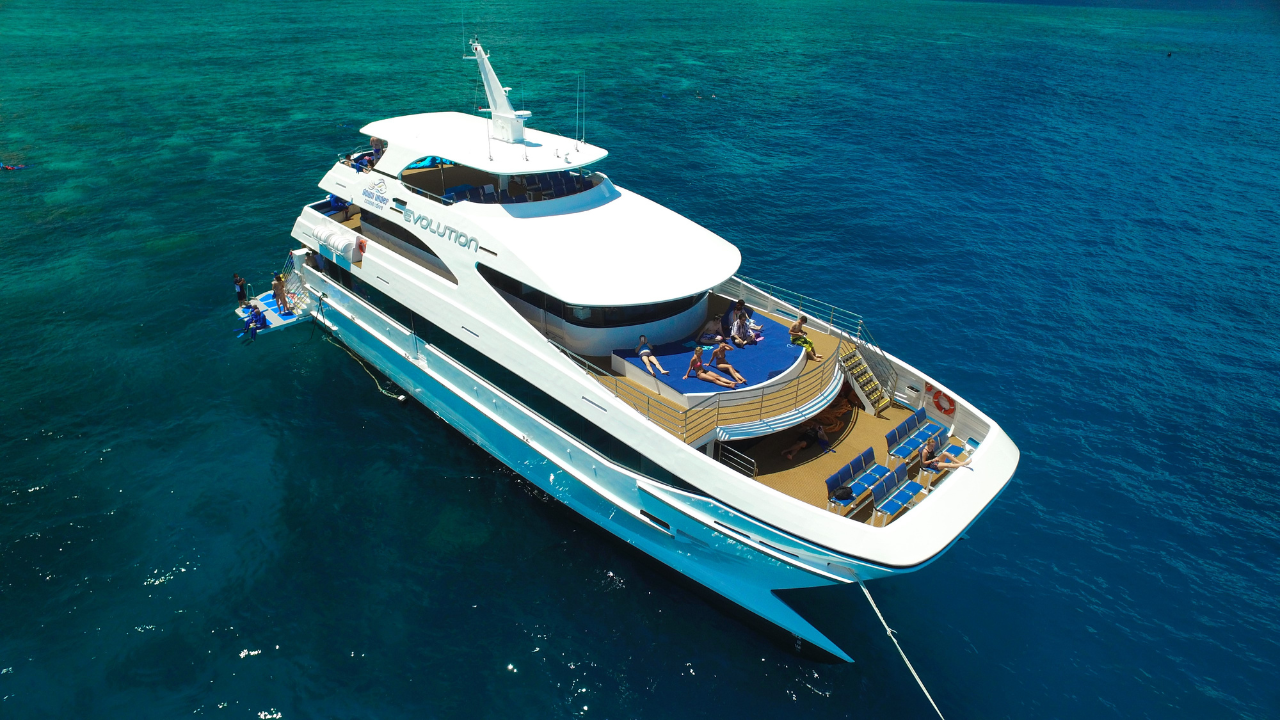
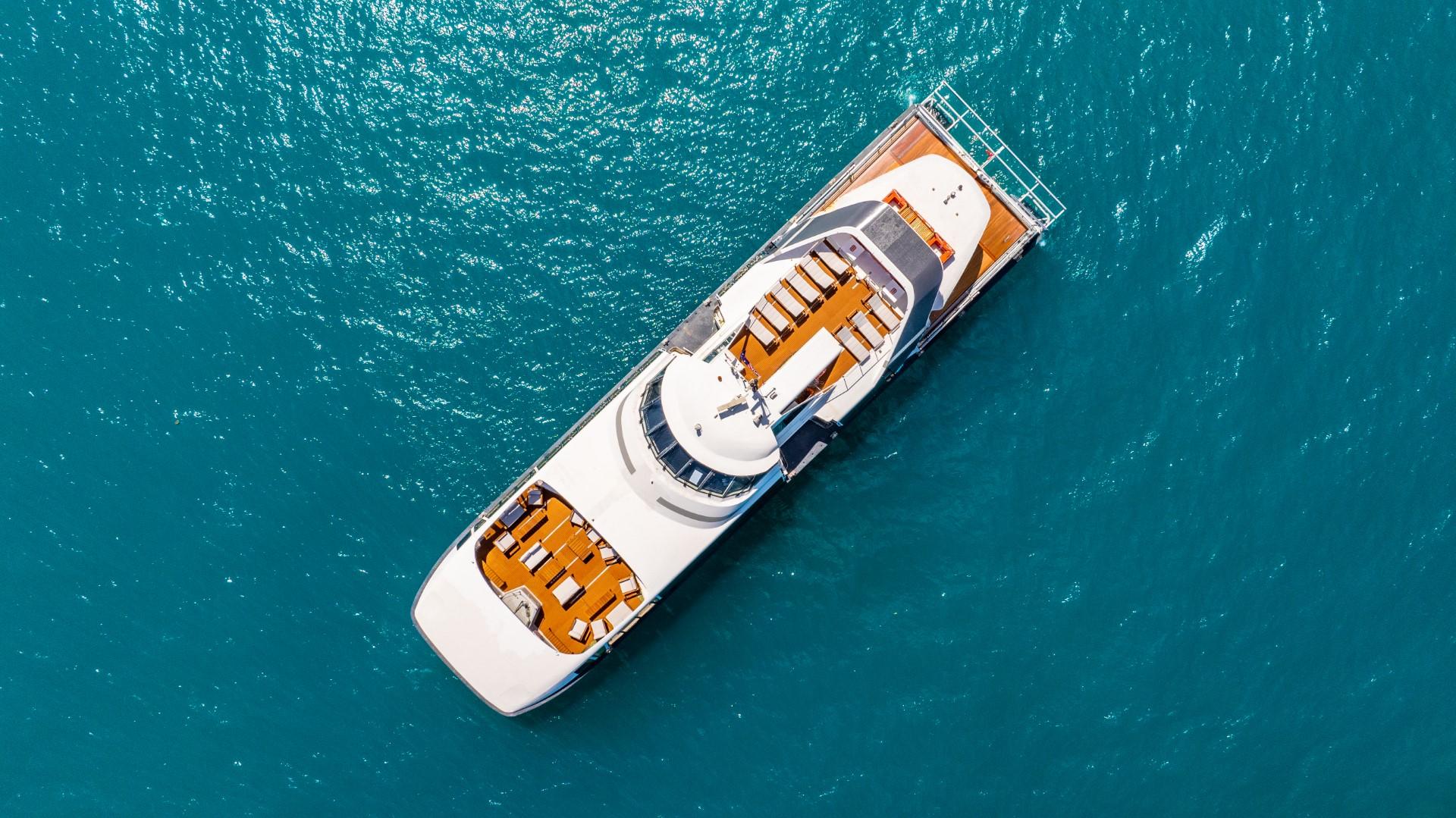
Outer Great Barrier Reef Full-Day Superyacht Experience 8 hours 30 minutes Free Cancellation

Outer Great Barrier Reef Full-Day Superyacht Experience

Sail aboard a luxury 35-meter vessel to two pristine outer reef sites with snorkeling, diving, and gourmet BBQ

4.7 (1648)
FromFrom $193.14
See details
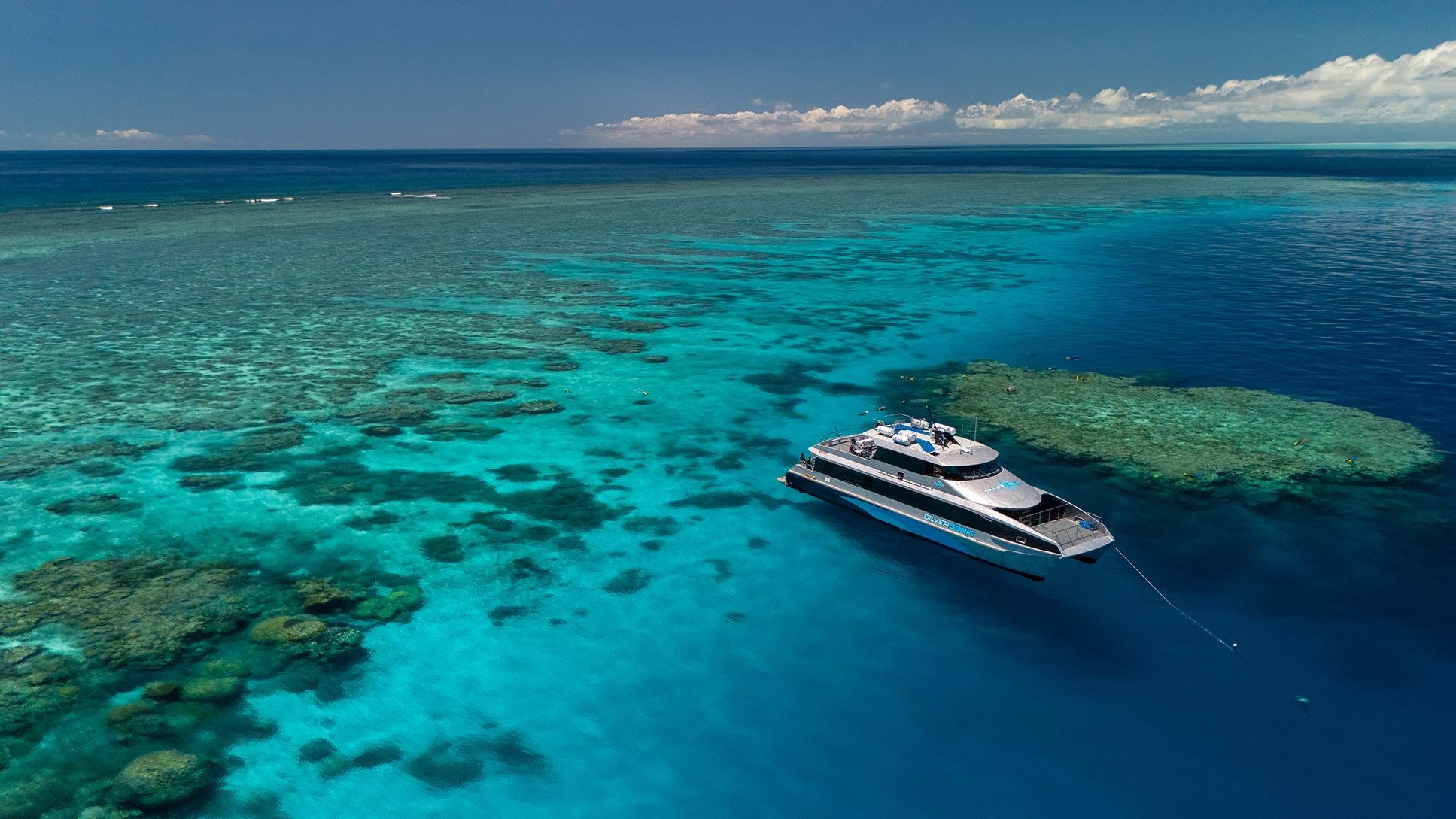
Silversonic Great Barrier Reef Dive & Snorkel 8 hours Free Cancellation

Silversonic Great Barrier Reef Dive & Snorkel

Full-day catamaran voyage to Agincourt Reef with three dive sites and over five hours exploring pristine coral

4.8 (410)
FromFrom $230.36
See details
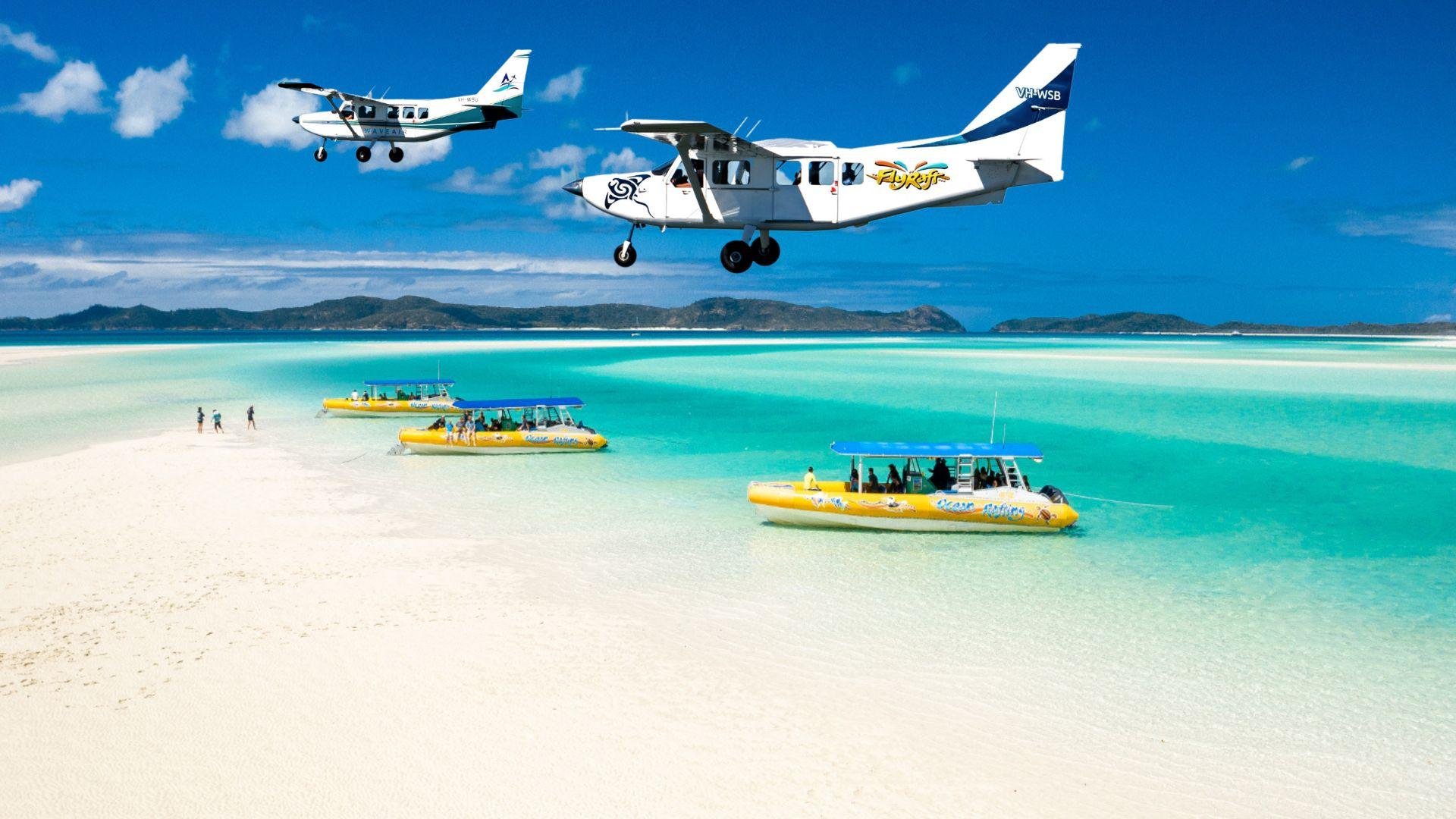
Whitsundays Scenic Flight & Snorkel Adventure 1 day Free Cancellation

Whitsundays Scenic Flight & Snorkel Adventure

Discover the Great Barrier Reef from above and below on this aerial tour plus high-speed boat expedition

4.9 (937)
FromFrom $396.81
See details
Whitehaven Beach & Snorkel Eco-Cruise 8 hours Free Cancellation

Whitehaven Beach & Snorkel Eco-Cruise

Full-day catamaran adventure with all-day beach transfers, optional reef snorkeling, and lookout hike

4.7 (636)
FromFrom $167.85
See details
Great Barrier Reef Small-Group Snorkeling Adventure 7 hours Free Cancellation

Great Barrier Reef Small-Group Snorkeling Adventure

Fast boat ride to two pristine reef sites with guided snorkeling, lunch, and expert crew support

4.8 (358)
FromFrom €159.69
See details
Green Island Day Trip from Cairns 5 hours Free Cancellation

Green Island Day Trip from Cairns

Sail to a tropical reef island for swimming, snorkeling, rainforest walks, and marine encounters

4.4 (1908)
FromFrom €69.06
See details
Premium Outer Reef Snorkel Experience 5 hours Free Cancellation

Premium Outer Reef Snorkel Experience

Half-day catamaran voyage to pristine outer reef sites with expert guides and all gear included

4.7 (64)
FromFrom €120.23
See details
Your journey

Your Great Barrier Reef Snorkeling day, step by step

1
Marina check-in

Marina check-in

Arrive at the departure marina, present booking confirmation, and receive safety gear

2
Boat transfer to reef

Boat transfer to reef

Vessel travels from the mainland to an outer reef pontoon or mooring site

3

Safety briefing

Crew demonstrate mask, snorkel, and flotation vest use before entry

4
First snorkeling session

First snorkeling session

Guests enter shallow water near the pontoon to view coral and reef fish

5

Lunch break

Buffet lunch served onboard or on the pontoon between sessions

6
Second snorkeling session

Second snorkeling session

A second guided or self-directed swim at a different reef section

What you'll see

What you'll see at Great Barrier Reef Snorkeling

Agincourt Reef

Agincourt Reef

A ribbon reef on the outer edge of the marine park known for steep drop-offs and consistently clear water reaching visibility beyond 20 meters on calm days. It is a common stop for pontoon-based tours departing from Port Douglas.

Michaelmas Cay

Michaelmas Cay

A small coral cay and protected seabird sanctuary surrounded by shallow snorkeling flats, home to thousands of nesting terns during breeding season. Its sand cay covers less than 2 hectares yet supports one of the reef's densest seabird colonies.

Low Isles

Low Isles

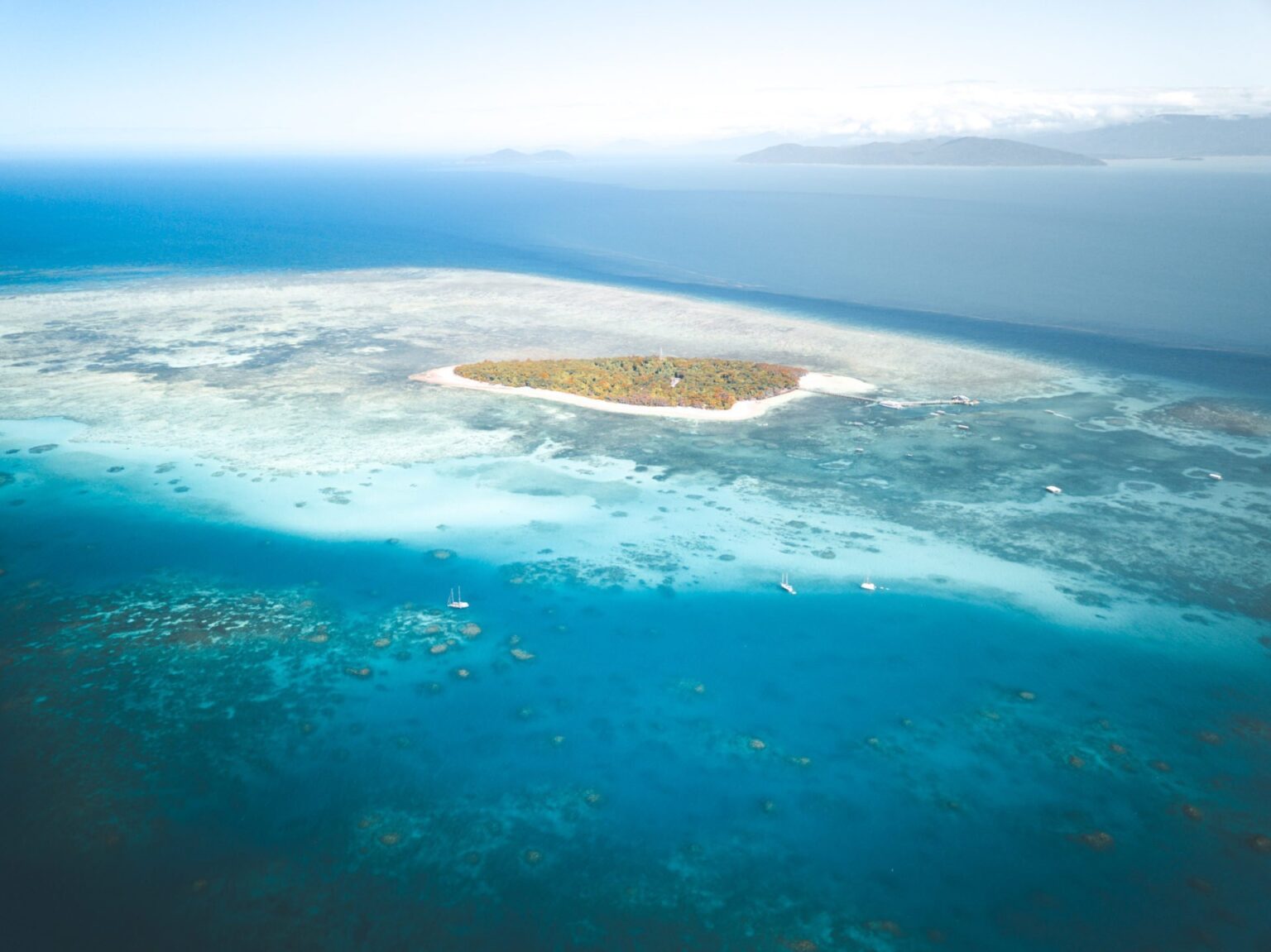
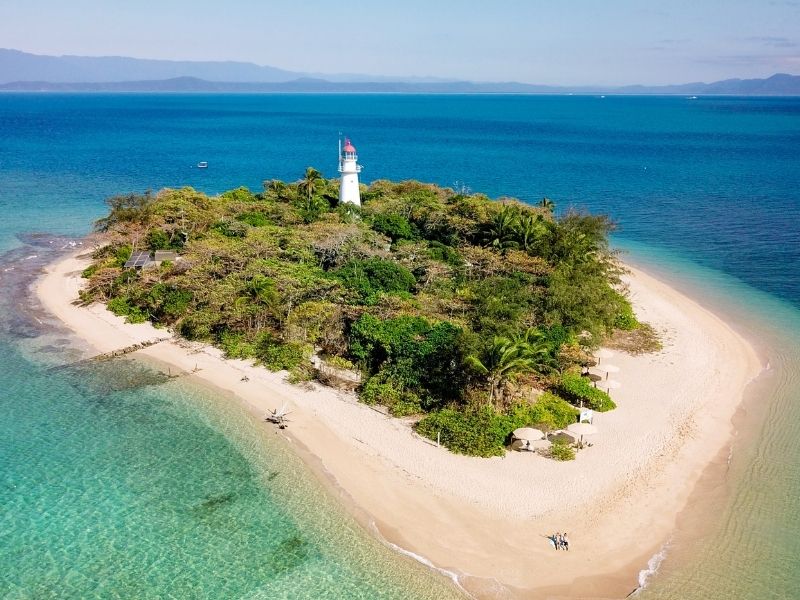
A twin-island coral cay near Port Douglas featuring a historic 1878 lighthouse and calm lagoon waters ideal for beginner snorkelers. The surrounding reef flat is largely walkable at low tide, exposing coral gardens close to shore.

Moore Reef

Moore Reef

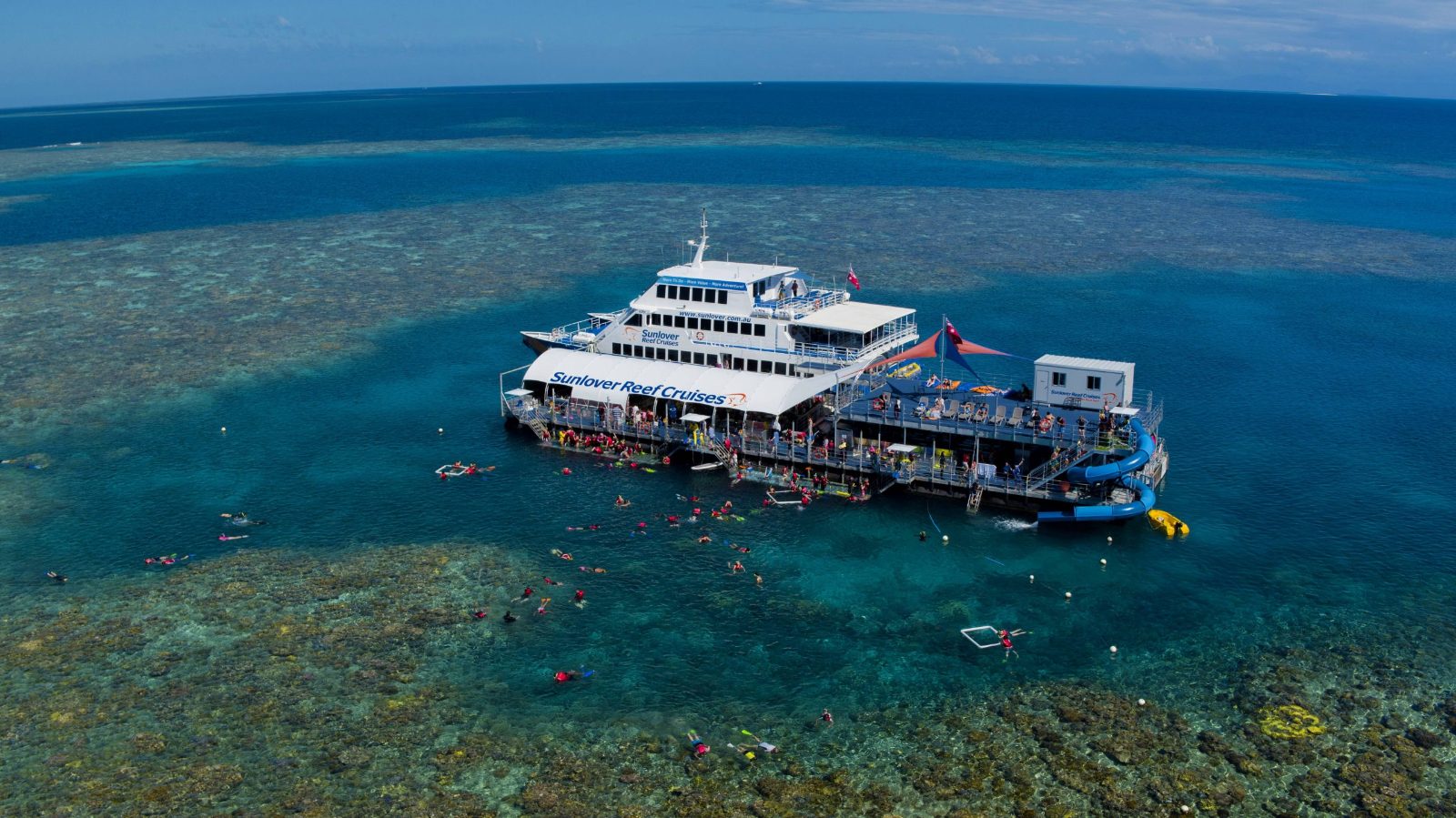
A popular day-trip reef site featuring a semi-submersible viewing platform and shallow bommies suited to first-time snorkelers. Its pontoon can host several hundred visitors daily during peak season without crowding the reef flat itself.

Flynn Reef

Flynn Reef

Known for dramatic swim-throughs and dense staghorl coral formations, this ribbon reef sits roughly 45 kilometers offshore from Cairns. Its coral bommies rise close enough to the surface that snorkelers can reach them without diving equipment.

Norman Reef

Norman Reef

A shallow, sheltered reef favored for its calm lagoon-like conditions and dense clusters of clownfish among anemones. Visibility here regularly exceeds 15 meters outside the wet season.

The experience

What visiting Great Barrier Reef Snorkeling is really like

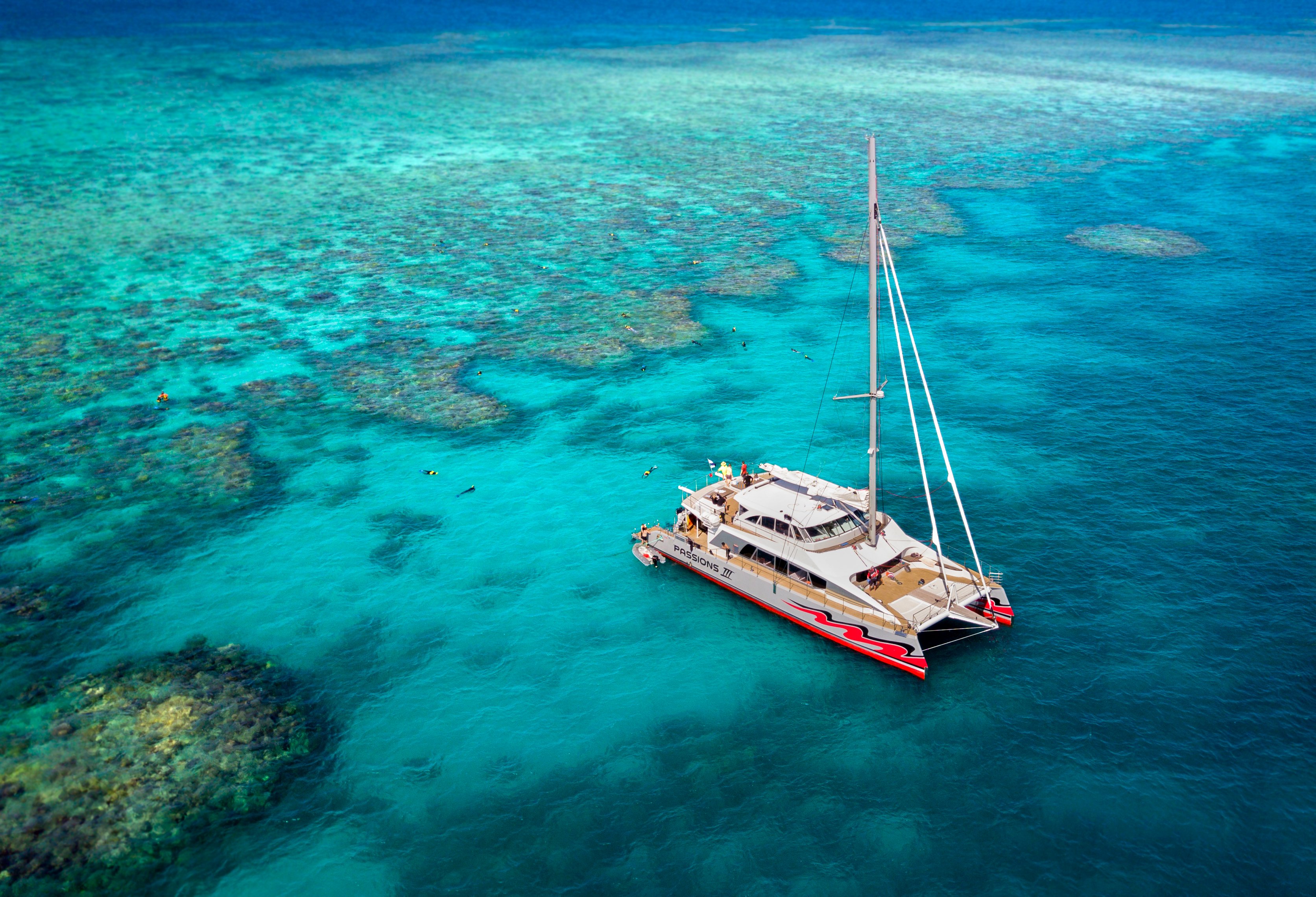
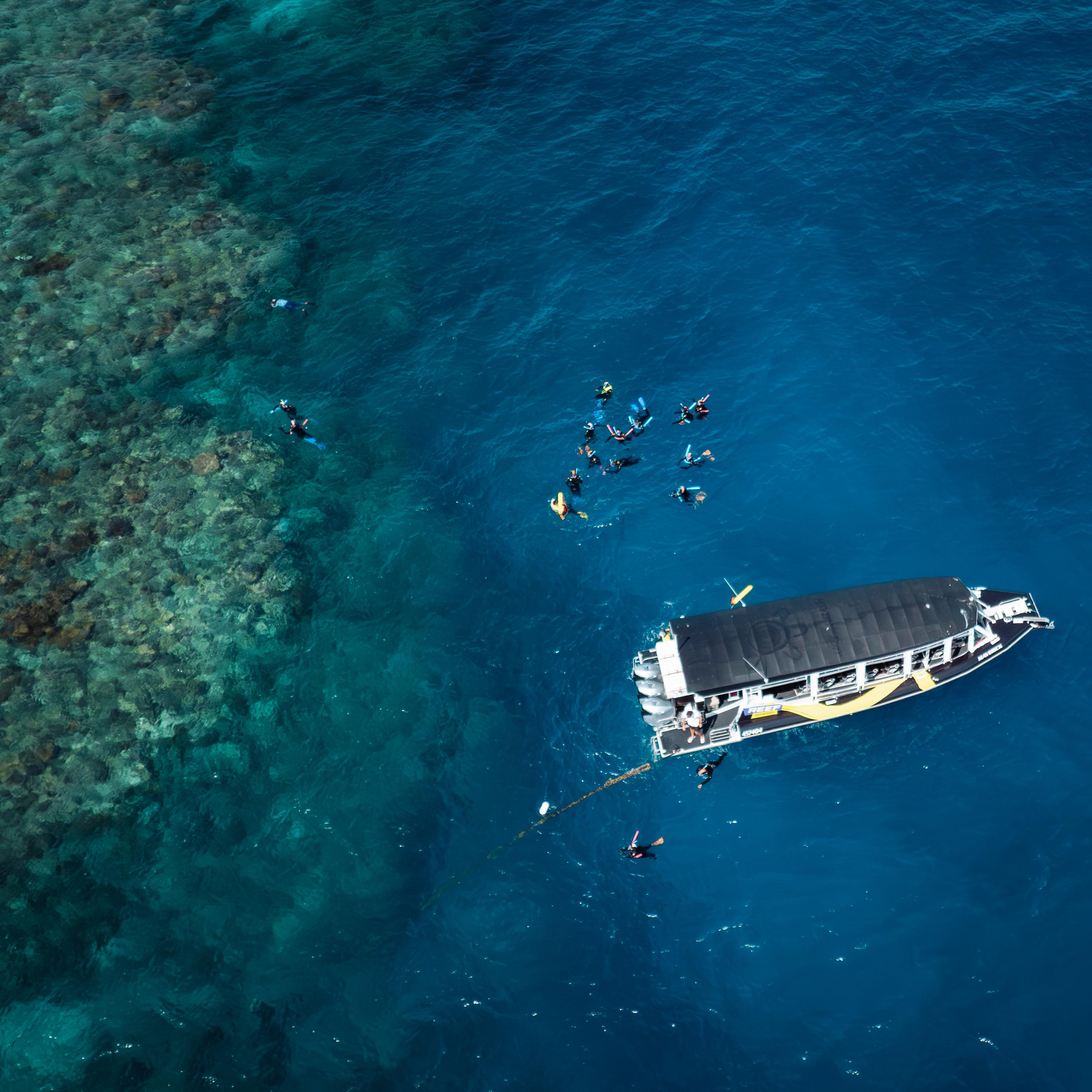
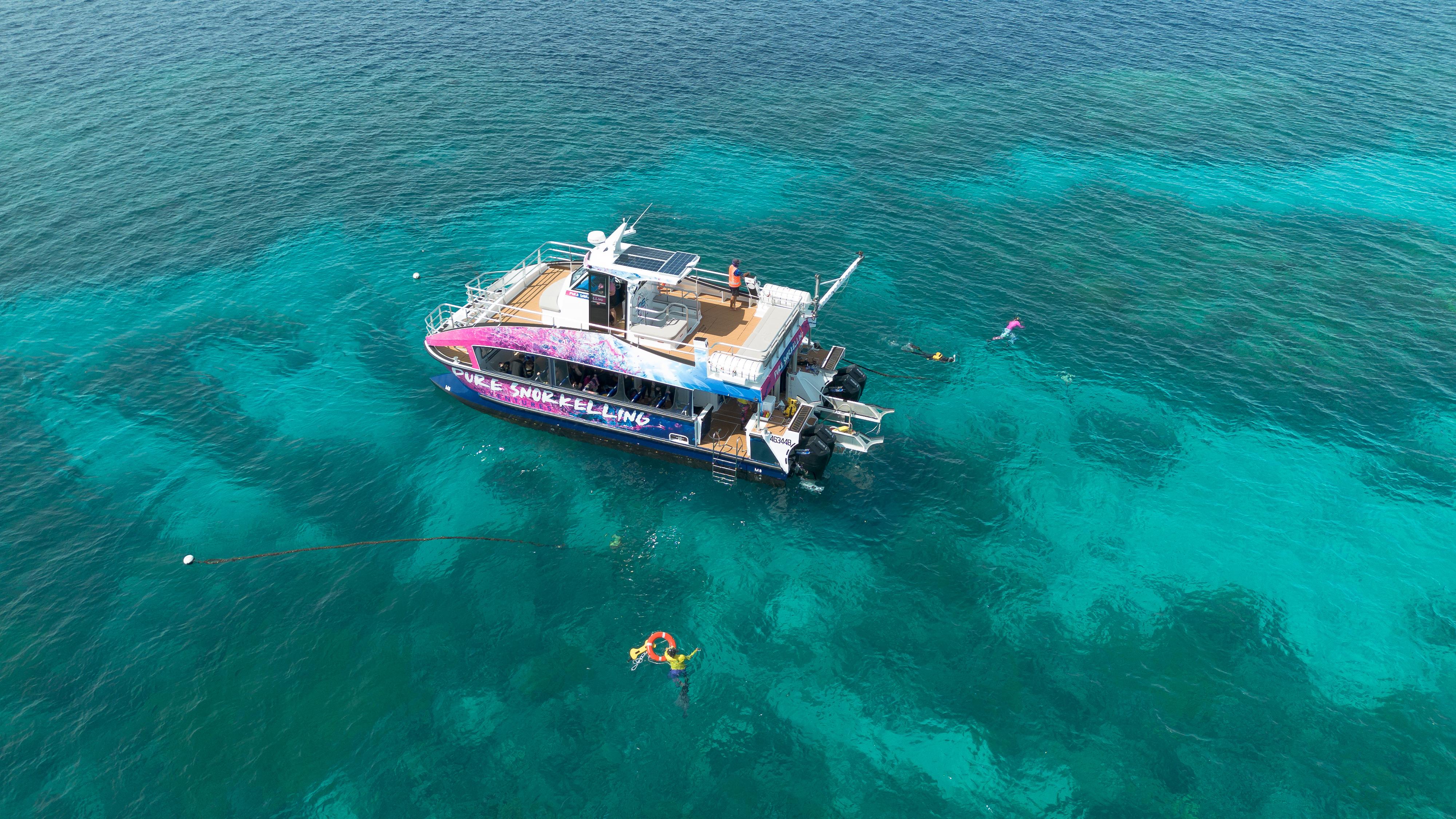
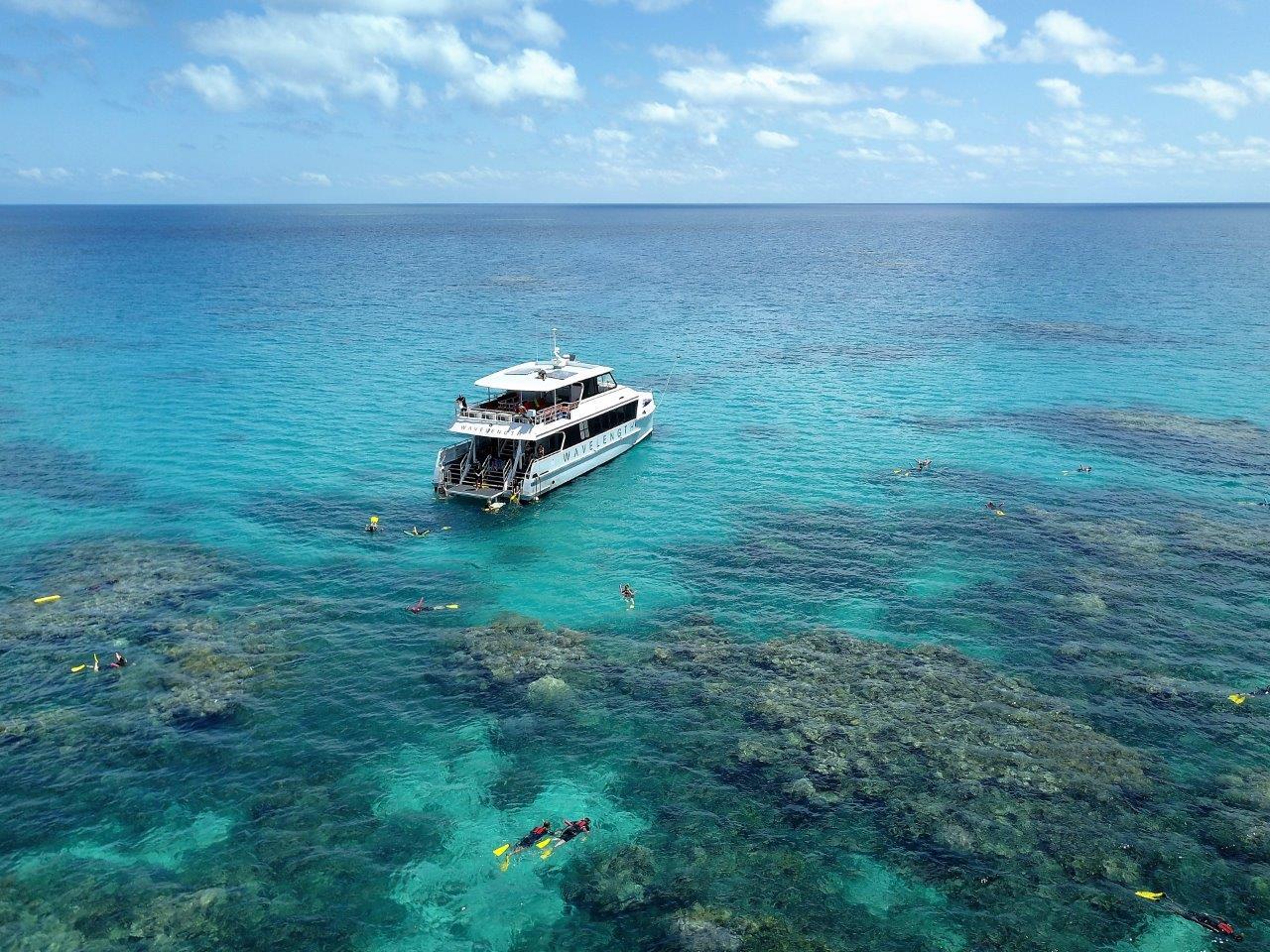
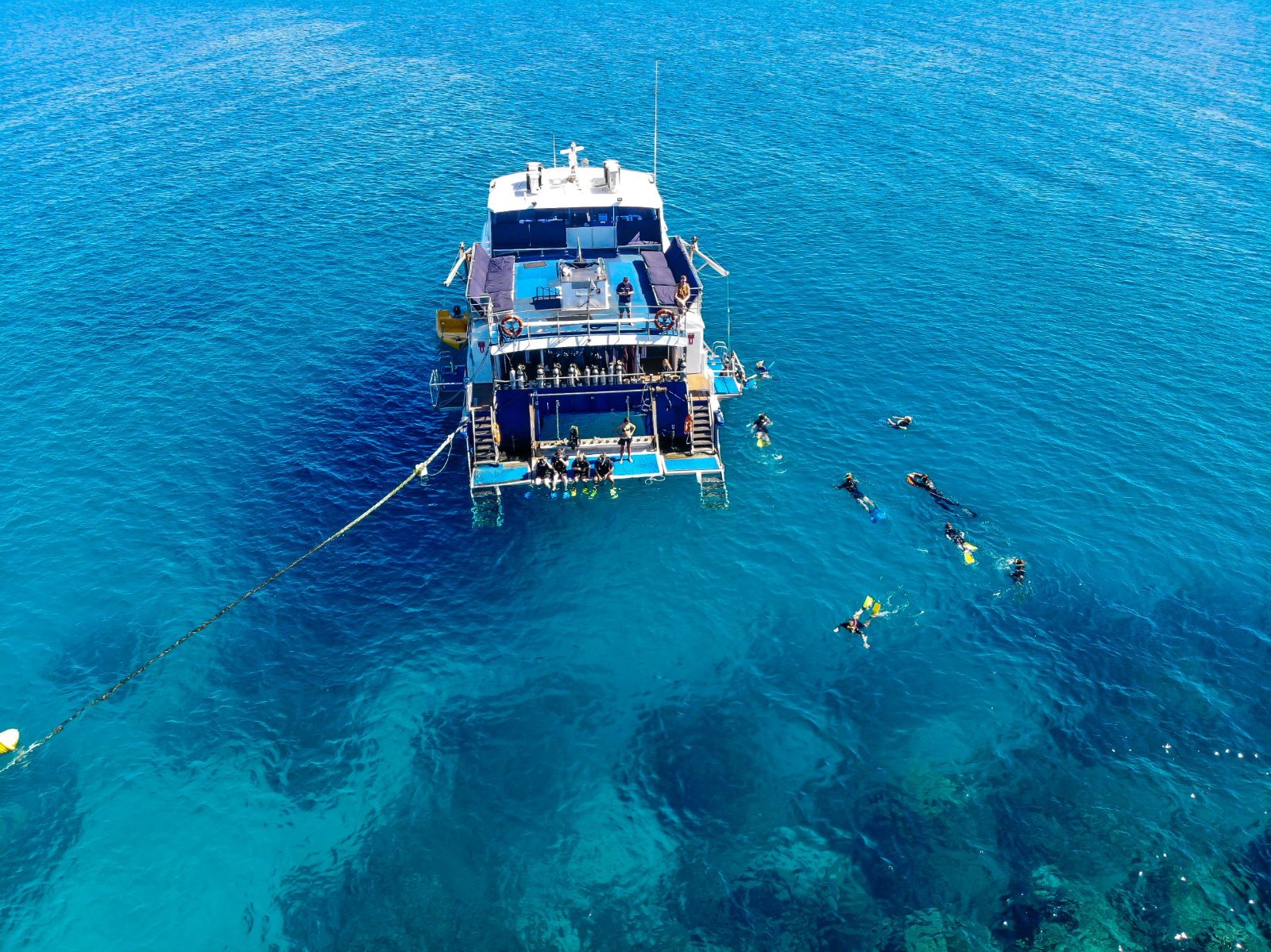
You board before eight, crossing the coastal shelf as the sun climbs and the water shifts from green to indigo. The catamaran slows at a moored pontoon anchored above the outer reef, where the seabed lies six metres down and visibility stretches twenty metres in every direction.

Read more Show less

You pull on a stinger suit if the calendar reads November through April, adjust your mask, and step off the platform into water warm enough to forget.

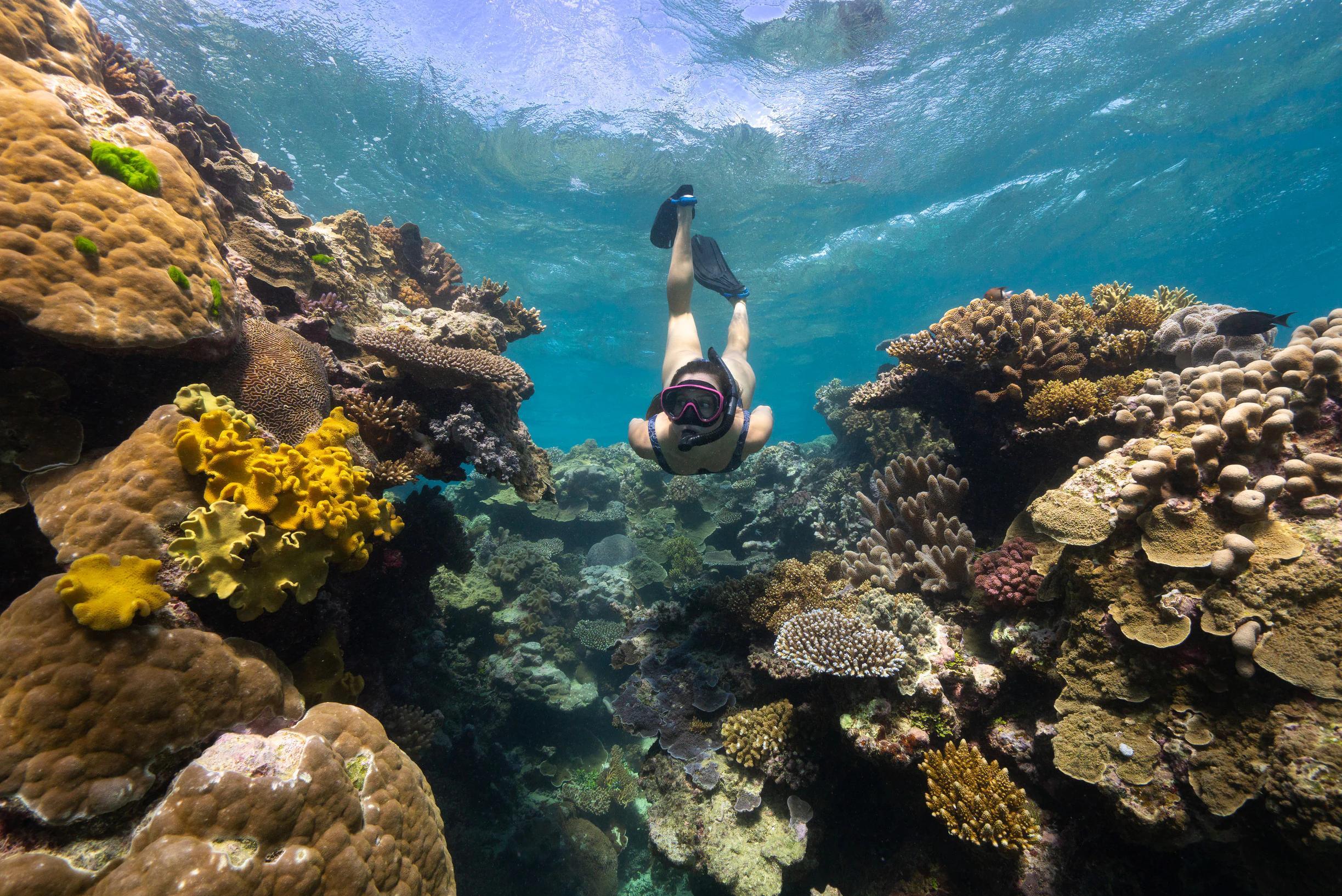
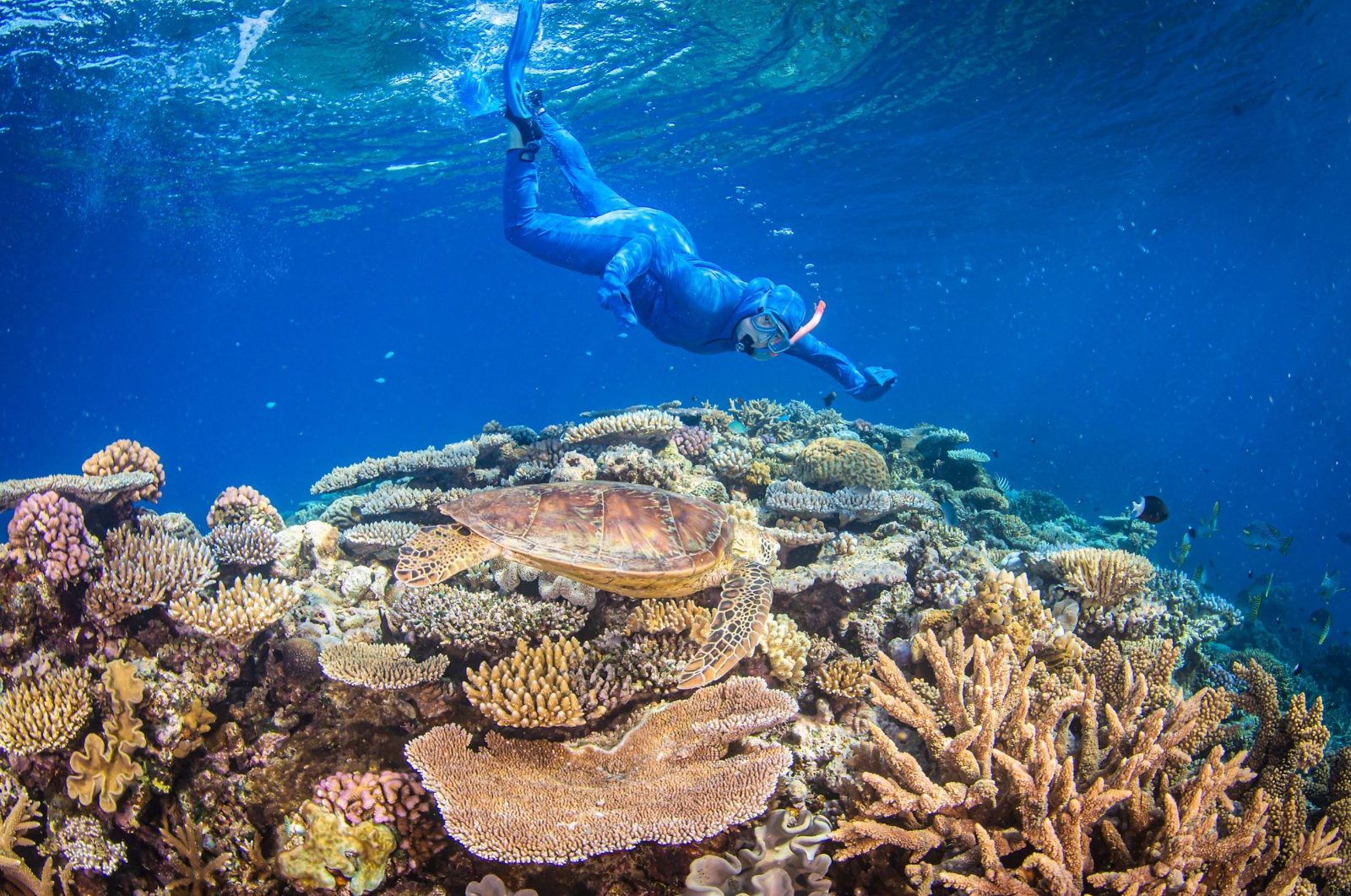
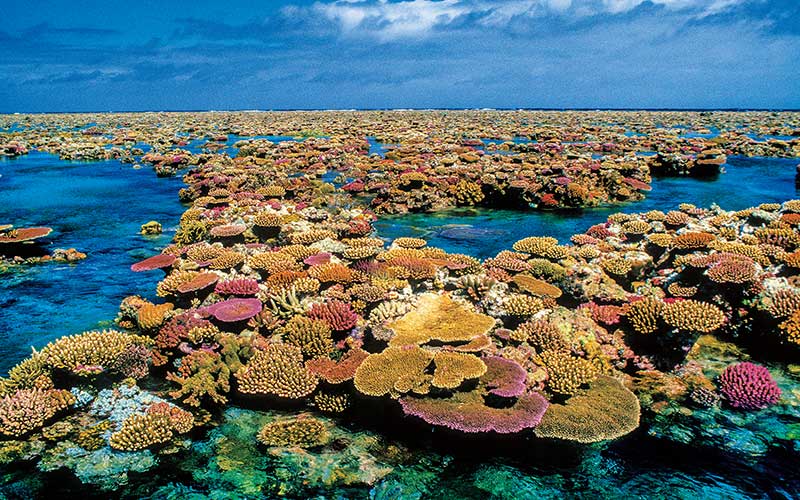
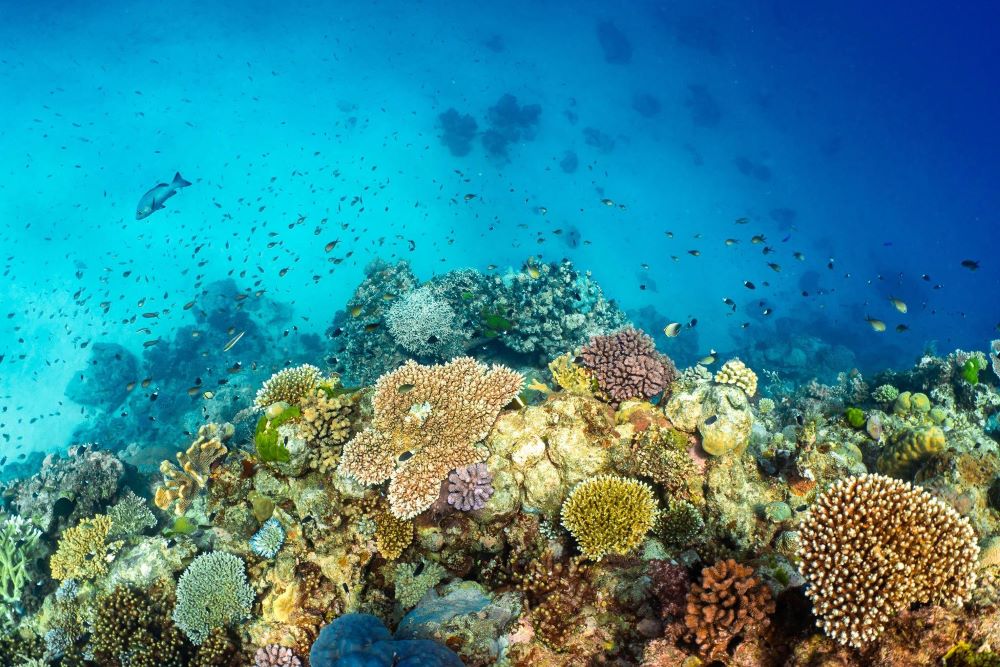
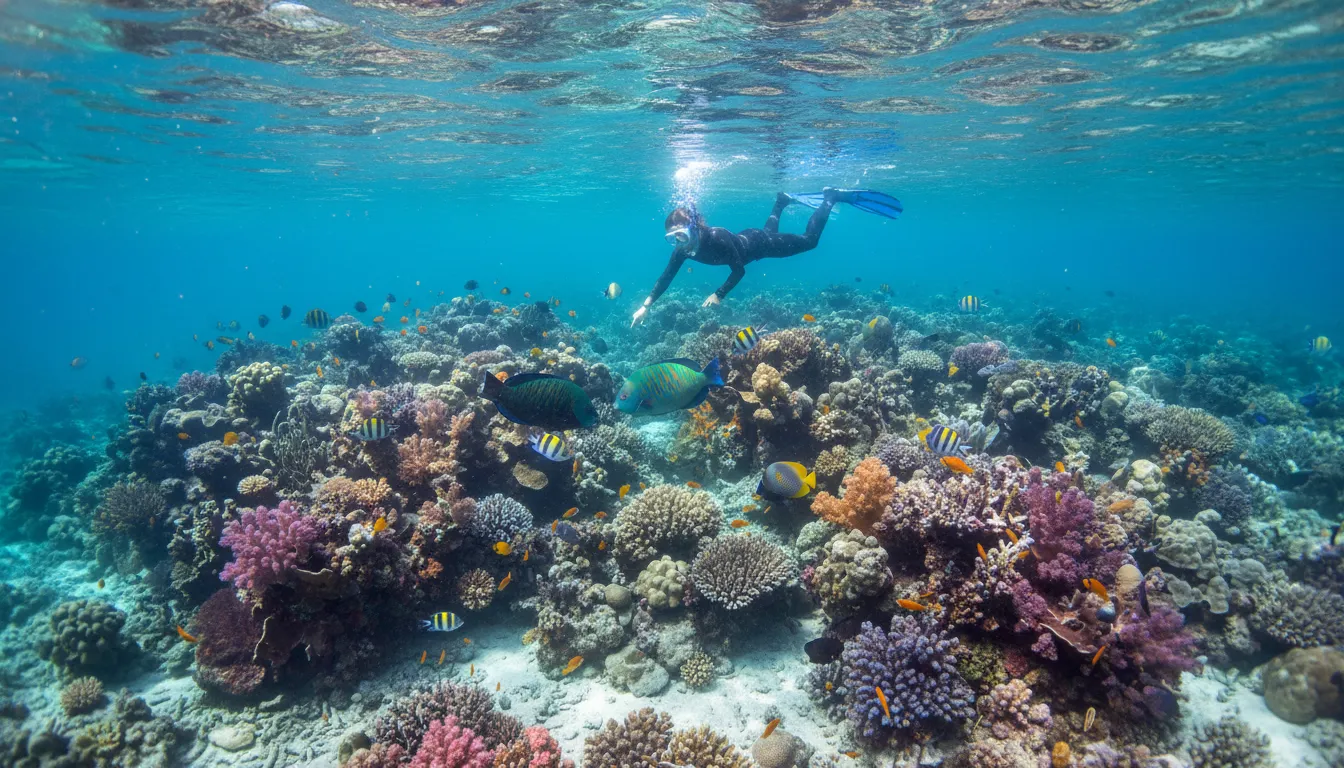
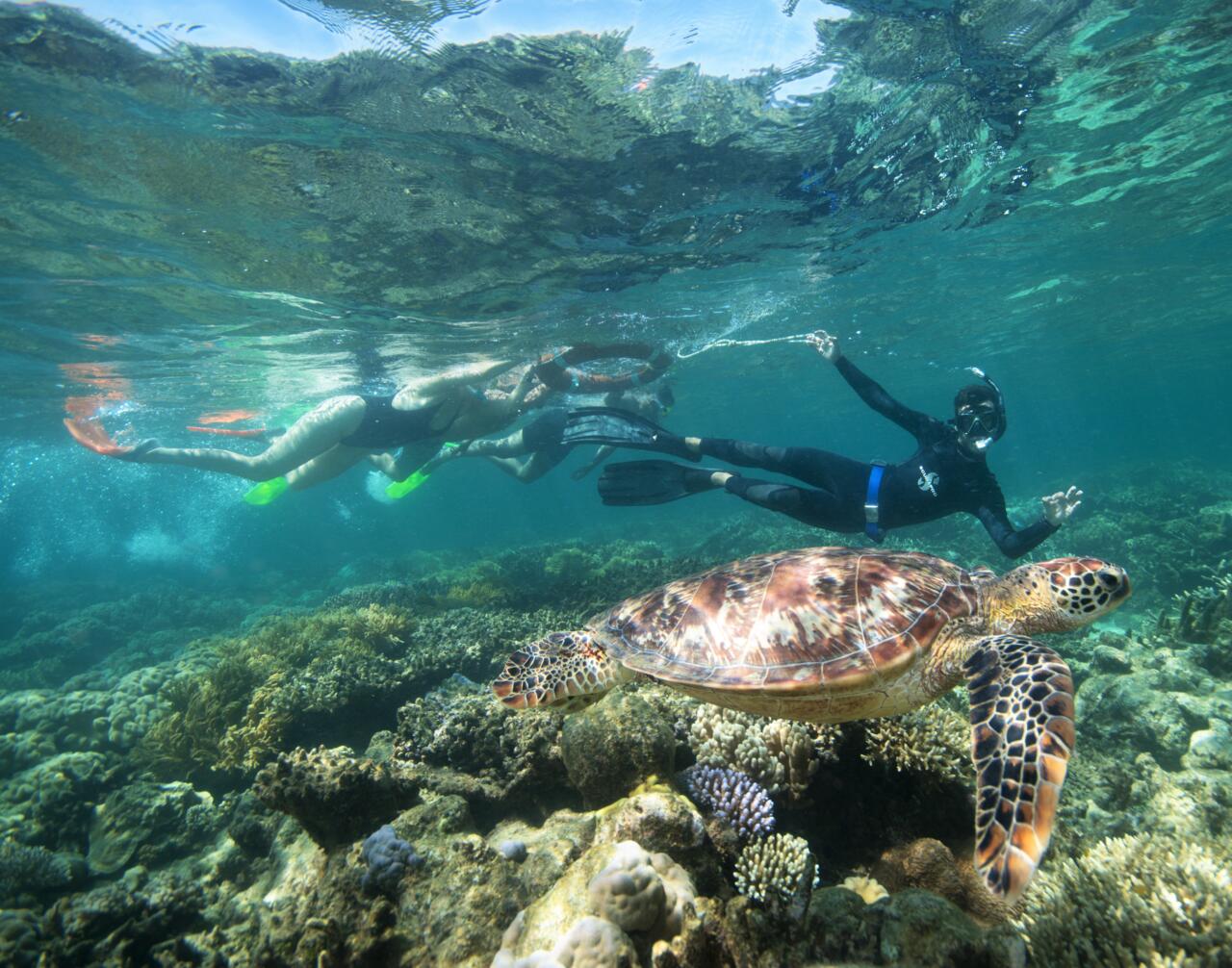
The coral begins immediately — branching staghorn formations in the shallows, then massive boulder corals farther out, their surfaces stippled with polyps the size of shirt buttons. Parrotfish scrape algae from dead coral heads, their beaks audible underwater. A school of fusiliers moves past in tight formation, silver flanks catching the light. You follow the mooring line to a bommie where a green sea turtle grazes, oblivious to your presence three metres above. The guide signals toward a coral wall where the reef drops into deeper blue, then gestures back toward the pontoon — thirty minutes have passed without your noticing. You surface, spit the snorkel clear, and realize the next site is already loading.

Great Barrier Reef Snorkeling
Everything You Need to Know

Your complete Great Barrier Reef Snorkeling guide

All the details about your upcoming adventure in one place

Great Barrier Reef Snorkeling Experience

Great barrier reef snorkeling offers direct access to the world's largest coral system, where you'll encounter sea turtles, reef sharks, and over 1,500 fish species across shallow lagoons and outer reef sites. Most great barrier reef snorkeling tours depart from Cairns or Port Douglas, reaching protected marine zones in 90 minutes by high-speed catamaran. All equipment, marine biologist guidance, and reef tax are included in great barrier reef snorkeling tickets.

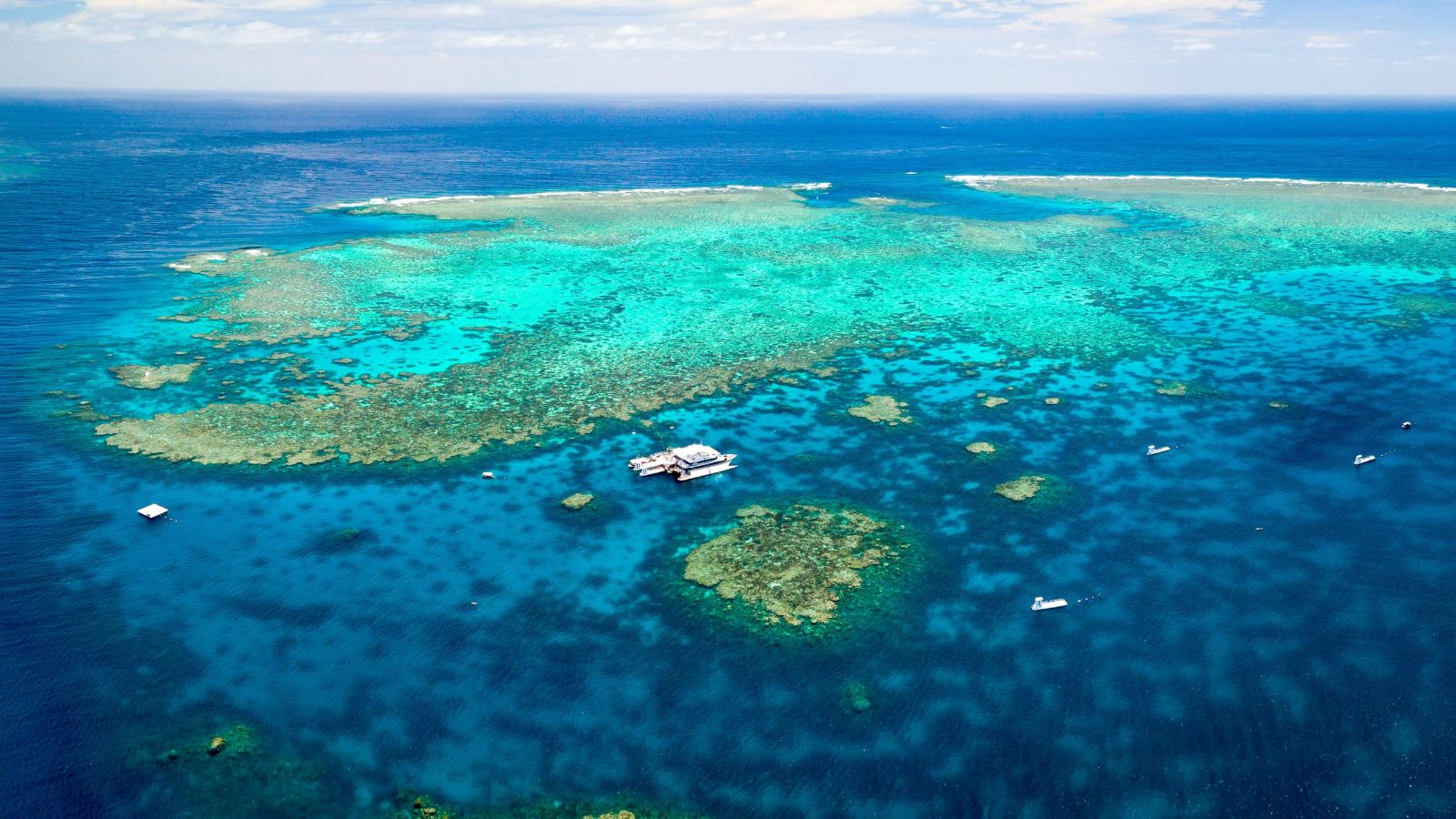
The Great Barrier Reef stretches 2,300 kilometres along Queensland's coast, comprising roughly 2,900 individual reefs and 900 islands — a structure visible from orbit and built by organisms smaller than a fingernail.

Coral polyps began constructing this living lattice more than twenty million years ago, though the current reef structure dates to the end of the last ice age, when rising seas flooded the continental shelf and triggered a new phase of coral colonization. By the eighteenth century, European navigators charted these shallows with trepidation; Captain James Cook's HMS Endeavour ran aground on the outer reef in 1770, forcing a seven-week repair on what is now the Queensland coast. The reef became a marine park in 1975, and UNESCO inscribed it as a World Heritage site six years later, recognizing both its ecological complexity and its vulnerability to human pressure.

Great barrier reef snorkeling opens that complexity to surface observation. The reef system supports more than 1,500 fish species, 400 coral species, and six of the world's seven sea turtle species. Visibility varies with tide, weather, and proximity to river outflows — outer reef sites typically offer fifteen to thirty metres of clarity, while inshore reefs closer to the coast may drop to five metres during the wet season. Water temperature ranges from twenty-two degrees Celsius in winter to twenty-nine in summer, warm enough for extended immersion without thermal protection. The Environmental Management Charge — a mandatory 8.50 AUD fee collected by commercial operators and forwarded to the Great Barrier Reef Marine Park Authority — funds reef monitoring, mooring infrastructure, and educational programs. Most great barrier reef snorkeling tours from Cairns, Port Douglas, and Airlie Beach include this fee in their published rates.

The reef's accessibility varies by departure point. Cairns sits roughly fifty kilometres from the nearest outer reef sites, requiring ninety-minute to two-hour transits aboard high-speed catamarans. Port Douglas lies closer — twenty-five kilometres from Agincourt Reef and the Low Isles — cutting transfer time nearly in half. Airlie Beach serves as the gateway to the Whitsunday Islands, where fringing reefs around Hook Island and Hardy Reef allow snorkeling within thirty minutes of embarkation. Hamilton Island offers similar proximity but fewer departure slots. Great barrier reef snorkeling and diving cruise itineraries typically include two to three reef sites, allowing visitors to compare shallow coral bommies, deeper drop-offs, and sheltered lagoons within a single outing.

Dangers are finite but real. Box jellyfish inhabit inshore waters from November through May, prompting operators to issue protective stinger suits during the wet season. Outer reef sites lie beyond jellyfish range. Blue-ringed octopuses, cone snails, and stonefish occupy crevices and rubble zones — contact is rare but requires hospital treatment. Rip currents form along reef channels during tidal exchange; guides brief snorkelers on current direction before entry. Sun exposure at the surface is severe; reef-safe sunscreen and rash guards are standard.


Coral polyps began constructing this living lattice more than twenty million years ago, though the current reef structure dates to the end of the last ice age.

Dress code

Swimwear worn under light, quick-dry clothing works best for boarding the boat, and a rash vest or wetsuit is recommended for sun and stinger protection. Reef shoes or booties help on pontoon platforms and coral-adjacent shallows.

Bags & security

Most vessels offer only small dry-storage lockers, so a soft-sided day bag is more practical than a hard suitcase. Crew conduct a basic safety briefing and gear check before anyone enters the water for great barrier reef snorkeling.

Photography

Underwater cameras and GoPros are welcome, and many operators rent underwater housings or offer professional photo packages taken during the snorkeling tour. Flash photography is unnecessary given the natural light at snorkeling depth, and drone use is restricted near vessels and marine park zones.

Families & strollers

Children as young as four can usually join shallow platform snorkeling with a flotation vest and crew supervision. Life jackets and noodles are provided free on nearly all family-oriented boats.

Accessibility

Larger pontoons on outer reef trips typically have ramps, handrails, and semi-submersible viewing options for guests who cannot enter the water. Wheelchair users should confirm boat lift availability directly with the operator, since smaller day boats have limited step-free access.

Food & drink

Most full-day great barrier reef snorkeling tours include a buffet lunch, morning tea, and unlimited water or coffee onboard. Alcohol is often available for purchase on larger pontoons but is restricted on smaller dedicated dive boats.

Not allowed

× Glass containers × Spearfishing equipment × Coral or shell collection tools × Single-use plastic bags × Aerosol sunscreen (non-reef-safe) × Cigarettes near the water × Drones without permit × Fishing gear on marine-park-only tours × Large hard-shell suitcases × Alcohol brought from outside × Feeding equipment for marine life × Sharp jewelry

What to bring

✓ Reef-safe sunscreen ✓ Rash vest ✓ Towel ✓ Change of clothes ✓ Waterproof phone case ✓ Motion sickness tablets ✓ Hat and sunglasses ✓ Reusable water bottle

Opening hours

Mon 00:00 – 23:59

Marine park always accessible

Tue 00:00 – 23:59
Wed 00:00 – 23:59

Midweek departures often quieter

Thu 00:00 – 23:59
Fri 00:00 – 23:59

Bookings fill fast before weekend

Sat 00:00 – 23:59

Busiest departure day

Sun 00:00 – 23:59

How to get there

At a glance

Opening hours

Daily 00:00–23:59 (marine park never closes; access depends on tour departure times)

Address

Great Barrier Reef Marine Park, Queensland, Australia

Entrance fee

8.5 AUD Environmental Management Charge, usually included in commercial tour prices

Best arrival window

08:00–12:00 for clearer water and lower wind speeds

Recommended gear

Rash vest, reef-safe sunscreen, towel

Getting there

Car · 20-40 min from Cairns suburbs · 15-30 AUD parking

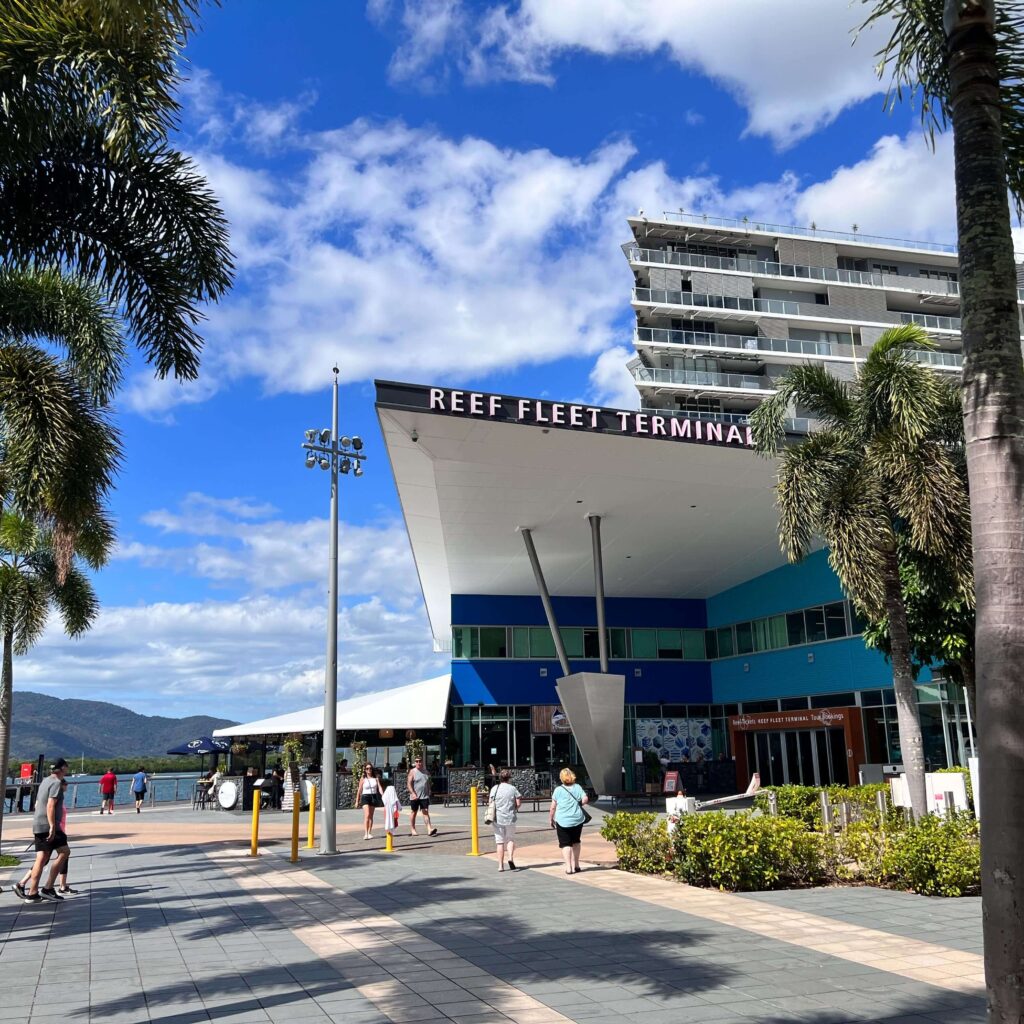
Drive to the Cairns Reef Fleet Terminal or Port Douglas Marina, both with paid all-day parking nearby. Cairns city parking stations sit within a 5-10 minute walk of the terminal.

Public transport · 30-90 min · 5-45 AUD

Sunbus services run from central Cairns to the waterfront terminal area, with the Esplanade route stopping within walking distance. Port Douglas is reached via the Cairns to Port Douglas coach shuttle.

Taxi · 15-20 min · 25-35 AUD

Taxis and rideshare operate from Cairns Airport directly to the Reef Fleet Terminal, roughly a 15-minute trip.

Cancellation policy

Most great barrier reef snorkeling tour operators allow free cancellation up to 24 hours before departure, with a full refund minus the 8.5 AUD Environmental Management Charge in some cases. Cancellations made after this window or no-shows are typically non-refundable due to fixed boat capacity.

Plan your time

How Long Do You Need for Great Barrier Reef Snorkeling and Diving Cruise From Cairns

Recommended time

Full day

A typical excursion for great barrier reef snorkeling usually spans a full day to accommodate travel time to outer reef sites. The best arrival window is 08:00–12:00, as clearer water and lower wind speeds typically provide better visibility for snorkeling during the initial morning hours. Most great barrier reef snorkeling tours depart early, so booking your great barrier reef snorkeling tickets in advance ensures priority access to these prime aquatic conditions. Those seeking a more relaxed pace on a great barrier reef snorkeling tour should prepare for transit times across the marine park to reach pristine coral formations.

Crowd levels through the day

07:00–09:00 Low crowd
09:00–11:00 Moderate crowd
11:00–13:00 Peak crowd
13:00–15:00 High crowd
15:00–17:00 Moderate crowd
Plan ahead

Best time to visit Great Barrier Reef Snorkeling

Weather · crowds · average price — dots go green to amber to red as each metric rises.

Spring (Sep–Nov)

Warm water and low rainfall make September through November popular for great barrier reef snorkeling, with visibility often exceeding 15 meters. Stinger season has not yet begun, so wetsuits are optional in most areas.

Summer (Dec–Feb)

Wet season brings higher humidity and occasional cyclone activity, plus marine stinger presence requiring lycra suits. Water stays warm, around 27-29°C, but visibility can drop after heavy rain.

Autumn (Mar–May)

Conditions calm down by April and May as rainfall eases and stinger nets remain in place at beaches. This shoulder season sees fewer crowds than the July peak.

Winter (Jun–Aug)

July is the busiest and driest month, with cooler air temperatures around 18-26°C and the clearest water of the year, drawing the largest tour crowds. Wetsuits are recommended in July for comfort despite water temperatures staying near 23-25°C.

Insider tips

Helpful tips for visiting Great Barrier Reef Snorkeling

Book morning departures

Boats leaving between 08:00 and 12:00 generally reach reef sites while water is calmest, giving better underwater visibility. Afternoon winds can stir up sediment near shallow reef edges.

Pack reef-safe sunscreen

Standard sunscreens containing oxybenzone are banned on many pontoons because they damage coral tissue. Reef-safe, mineral-based sunscreen is sold at most marina shops if you forget.

Bring seasickness tablets

The 90-minute open-water transfer to outer reef sites can be rough, especially in winter trade winds. Take medication at least 30 minutes before boarding.

Confirm stinger suit inclusion

During summer wet season, most operators provide lycra stinger suits free of charge, but it is worth confirming at booking. These suits also help with sun protection.

Arrive at the marina early

Check-in closes roughly 30 minutes before departure, and parking near the Cairns Reef Fleet Terminal fills quickly on weekend mornings. Allow extra time during school holiday periods.

Choose pontoon trips for first-timers

Large stable pontoons with ladders and shallow platforms suit those new to great barrier reef snorkeling better than boat-based drift snorkeling. Crew supervision tends to be more concentrated at fixed pontoon sites.

Where to meet

Great Barrier Reef Snorkeling meeting points

Cairns Reef Fleet Terminal

Cairns Reef Fleet Terminal

1 Spence St, Cairns City QLD 4870

Main departure point for most outer reef tours

Get directions
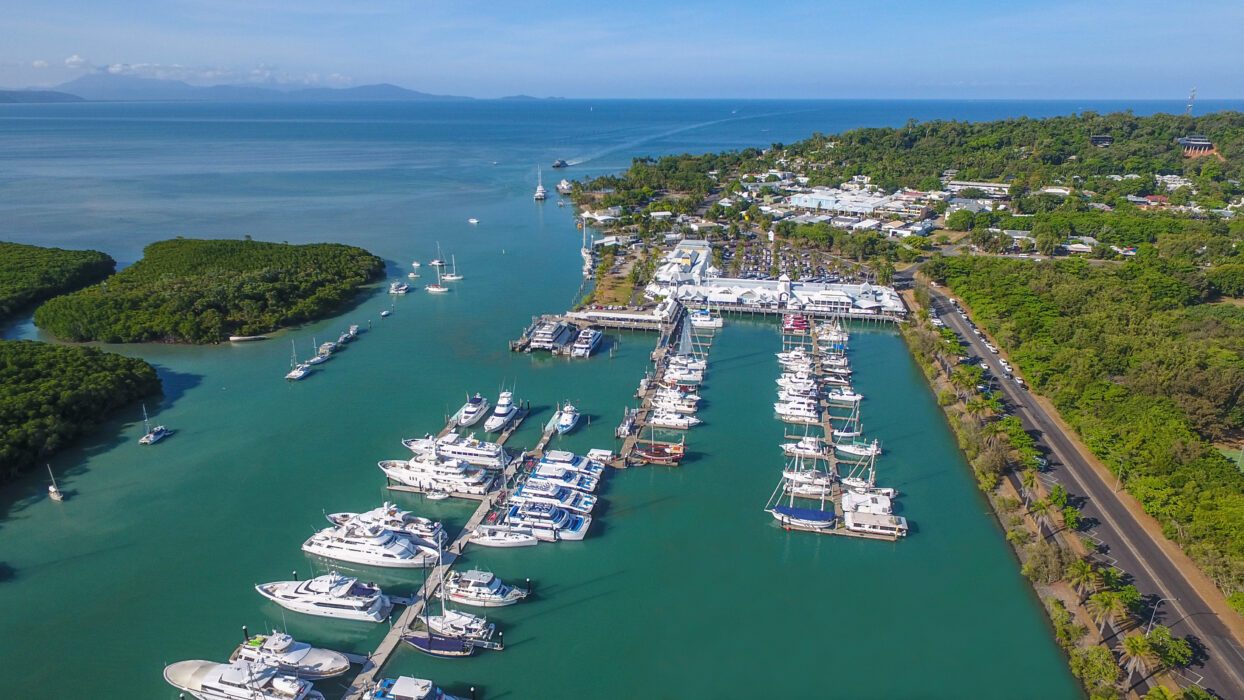
Port Douglas Marina

Port Douglas Marina

Wharf St, Port Douglas QLD 4877

Departure point for Low Isles and Agincourt Reef trips

Get directions
The story

The History Behind Great Barrier Reef Marine Park Protection

The Great Barrier Reef existed for millennia as a living structure before anyone imagined it needed protection. Indigenous Australians knew its rhythms for over 60,000 years, but colonial mapping began only in 1770 when Captain Cook's Endeavour struck coral near present-day Cooktown. Scientific expeditions multiplied through the 1920s, yet no legal framework governed extraction or tourism. By the early 1970s, oil drilling proposals and crown-of-thorns outbreaks triggered national alarm. The Australian government passed the Great Barrier Reef Marine Park Act in 1975, establishing the world's largest coral-reef protected area and creating zoning plans that balanced great barrier reef snorkeling tours with conservation. The reef gained UNESCO World Heritage listing in 1981, cementing its global significance. Zoning evolved through the 1980s and 1990s as researchers documented damage from anchors, fins, and runoff. The Great Barrier Reef Marine Park Authority introduced the Environmental Management Charge in 1993—a per-visitor levy that funds ranger patrols, mooring infrastructure, and water-quality monitoring. Coral bleaching events in 1998, 2002, 2016, 2017, and 2020 revealed the reef's vulnerability to rising sea temperatures. Each bleaching wave killed large coral colonies across the northern and central sectors, forcing reef snorkeling operators to rotate sites and report conditions in real time. The 2015 Reef 2050 Plan imposed stricter nitrogen caps on coastal farms and banned capital dredge-spoil dumping within park boundaries. Today the reef remains open to visitors, but access rules reflect decades of ecological reckoning. Commercial great barrier reef snorkeling operations must hold permits that limit passenger numbers and prohibit reef-walking or coral touch. Mooring buoys replace anchors at high-use sites to prevent seafloor scarring. Scientists continue mapping heat-resistant coral strains, and restoration teams transplant fragments to degraded zones. The reef's legal architecture—zoning, charges, and adaptive closures—stands as the longest-running experiment in mass-tourism reef management, shaped by policy crises as much as by the living coral itself.

1770

Captain Cook's Endeavour strikes coral near Cooktown, marking the first documented European encounter with the reef's northern extent.

1920s–1960s

Scientific expeditions catalog coral species and map reef structure, but no protective legislation exists.

1975

Australian Parliament enacts the Great Barrier Reef Marine Park Act, creating the world's largest marine protected area with multi-use zoning.

1981

UNESCO inscribes the Great Barrier Reef on the World Heritage List, recognizing its outstanding universal value.

1993

Environmental Management Charge introduced to fund reef management and mooring infrastructure at high-use snorkeling sites.

2016–2017

Back-to-back mass bleaching events kill large coral areas across northern and central sectors, prompting adaptive site rotation by tour operators.

2015

Reef 2050 Plan imposes stricter agricultural runoff limits and bans capital dredge-spoil dumping within marine park boundaries.

Gallery

Moments from Great Barrier Reef Snorkeling

With kids

Great Barrier Reef Snorkeling for Non Swimmers and Families

Great barrier reef snorkeling with children works best when you treat non-swimmers and confident swimmers as two different trips rather than one group activity. Most Cairns and Port Douglas operators build family boats around flotation aids and glass-bottom viewing, so even toddlers can take part without getting in the water.

Flotation aids

Pool noodles, vests and inflatable rings are standard on family-oriented reef boats and are included at no extra cost. Kids who cannot swim confidently should wear a vest even in calm lagoon areas, and staff usually insist on this rather than leaving it optional.

Stinger suits

Full-body lycra stinger suits are provided free during stinger season (roughly November to May) and are strongly recommended for young kids year-round for sun and jellyfish protection. Sizes typically start small enough for children around age 4-5, so ask the operator when booking if you have a younger child.

Age minimums

Most snorkeling-focused boats set a minimum age of around 4-6 for reef platforms, while babies and toddlers are usually welcome on glass-bottom boat or semi-submersible tours instead. Always confirm the age policy with the specific great barrier reef snorkeling tour operator, since limits vary by boat and by weather conditions on the day.

Non-swimmer alternatives

Glass-bottom boats and semi-submersibles let non-swimmers and grandparents see coral and fish without entering the water, and these run alongside the snorkeling groups on most day trips. This is the easiest way to keep a mixed-ability family together on one great barrier reef snorkeling tour.

Pacing for families

Plan on short 20-30 minute snorkeling bursts for young children rather than one long session, since cold, sun and excitement tire kids quickly. Crew can usually pair a nervous child with a guide holding a rope or noodle for a slower, closer-to-boat experience.

Customer Reviews

What travelers say about Great Barrier Reef Snorkeling

Real experiences from real travelers

4.5
Based on 2,400 reviews
1 ★ 980
2 ★ 820
3 ★ 1500
4 ★ 4100
5 ★ 18200
E
Emma K.
Australia · 2026-08-14

Outer Reef was phenomenal

We booked a full-day trip to the Outer Reef with Reef Magic and the coral coverage exceeded every expectation. Water visibility stretched at least 20 meters and we spotted three green turtles within the first hour. The marine biologist on board identified over a dozen fish species for us. Highly recommend going midweek to avoid crowds.

C
Carlos M.
Spain · 2026-07-29

Best snorkel of my life

Great barrier reef snorkeling delivered everything I hoped for. The Agincourt Reef site had pristine staghorn coral and we swam alongside a small reef shark. Crew provided stinger suits and thorough safety briefing. Water temperature in July was comfortable at 23 degrees. Worth every dollar.

Y
Yuki T.
Japan · 2026-09-11

Low Isles perfection

Chose a Low Isles sailboat tour for a gentler reef experience and it was magical. The shallow lagoon made snorkeling accessible and we saw giant clams, nudibranchs, and a octopus hiding in coral rubble. Guide knew exactly where to point us. Crystal-clear water and white sand beach for breaks between swims.

P
Priya S.
India · 2026-06-22

Solid day on the reef

Departed from Port Douglas on a high-speed catamaran to three different snorkel sites. Coral health varied by location but the fish diversity was excellent at every stop. Saw parrotfish, angelfish, and a moray eel. Only downside was choppy conditions on the return trip. Bring seasickness tablets if you're prone.

M
Michael B.
United States · 2026-09-03

Unforgettable underwater world

Great barrier reef snorkeling tours from Cairns offer access to some of the healthiest reef sections I've encountered globally. We visited Flynn Reef and the hard coral formations were extraordinary. Spotted a hawksbill turtle, blue starfish, and schools of fusiliers. Professional outfit with excellent equipment and knowledgeable guides.

L
Lena R.
Germany · 2026-05-17

Moore Reef exceeded hopes

Booked a pontoon-based experience at Moore Reef and appreciated the stability for multiple entries. Spent four hours in the water across different zones. Bommies were covered in soft corals and we encountered a juvenile whitetip reef shark. Underwater observatory was a nice bonus for non-swimmers in our group.

J
Jacob L.
Canada · 2026-08-26

Outer Barrier clarity

Visibility at the Outer Barrier sites in late August was superb. We snorkeled above drop-offs where the reef wall descended into deep blue. Manta ray sighting was the highlight. Tour included wetsuit, fins, and mask in great condition. Lunch on board was decent. Recommend the early departure to maximize reef time.

S
Sophie D.
United Kingdom · 2026-07-05

Incredible marine biodiversity

Great barrier reef snorkeling revealed a thriving ecosystem. Norman Reef had everything from clownfish in anemones to cuttlefish hovering near coral heads. Water was calm and the crew rotated groups efficiently so no site felt overcrowded. Took an underwater camera and captured stunning photos. Absolutely recommend.

R
Raj P.
United Arab Emirates · 2026-09-19

Top-tier reef adventure

Flew to Cairns specifically for reef access and it delivered beyond expectations. Great barrier reef snorkeling provided encounters with sea turtles, reef sharks, and even a pod of dolphins on the boat ride. Coral bleaching was minimal at the sites we visited. Professional crew prioritized safety without being overbearing.

O
Olivia H.
New Zealand · 2026-06-08

Best reef snorkeling in Coral Sea

Visited Hastings Reef and the coral gardens were in excellent health. Snorkeling alongside Maori wrasse and Napoleon wrasse was surreal. Tour operator limited passenger numbers which made the experience feel exclusive. Water temperature required only a rashguard. Would return in a heartbeat.

FAQ

Great Barrier Reef Snorkeling — frequently asked questions

Everything you need to know for your journey

Around the corner

More to see near Great Barrier Reef Snorkeling

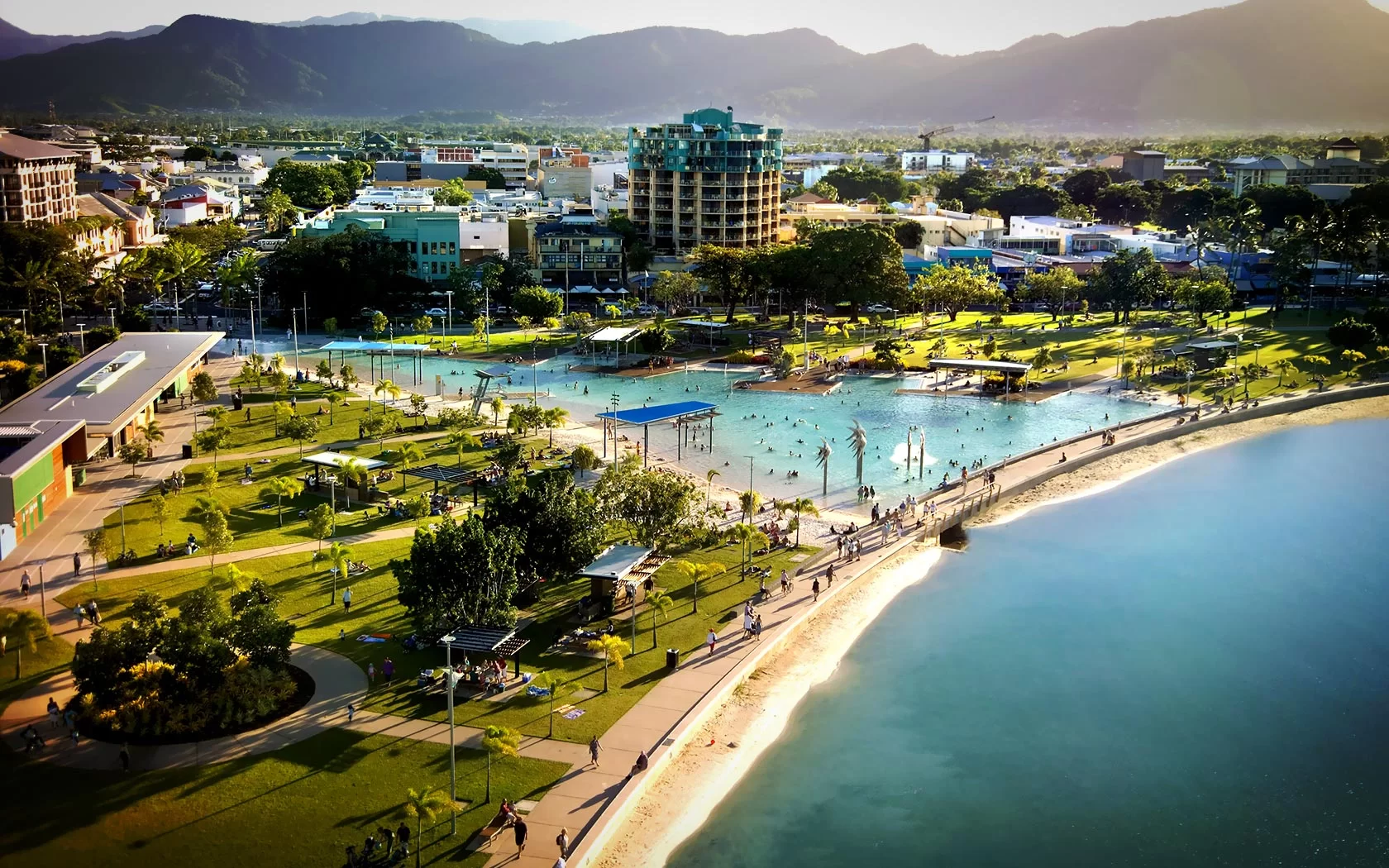
Cairns Esplanade Lagoon

Cairns Esplanade Lagoon

10 min walk

landmark

A free saltwater swimming lagoon along the Cairns waterfront popular for families before or after reef trips. It sits directly across from the Reef Fleet Terminal.

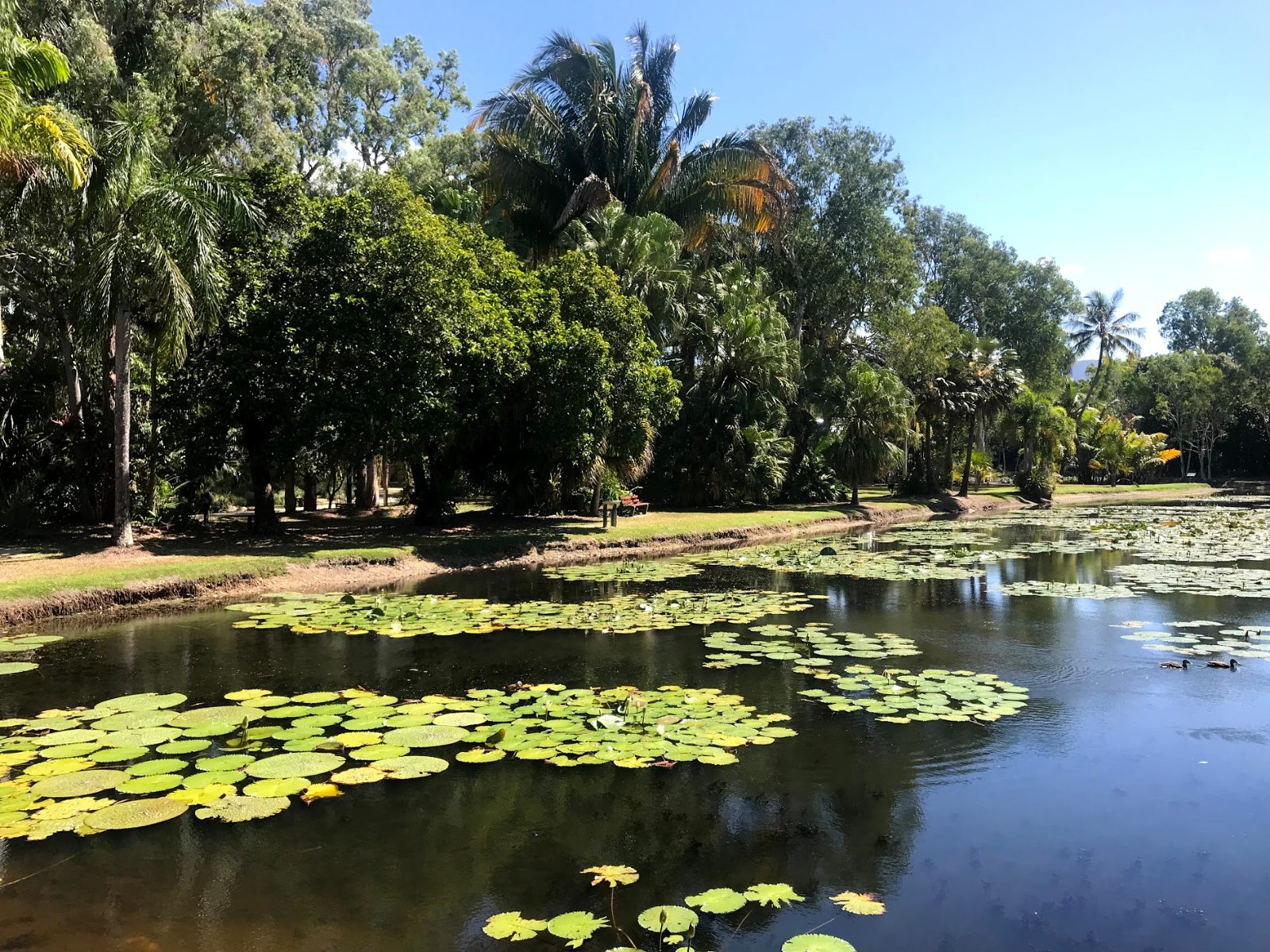
Flecker Botanic Gardens

Flecker Botanic Gardens

15 min drive

park

Tropical gardens featuring rainforest boardwalks and lily ponds in Cairns' northern suburbs. A quiet contrast to the marina bustle.

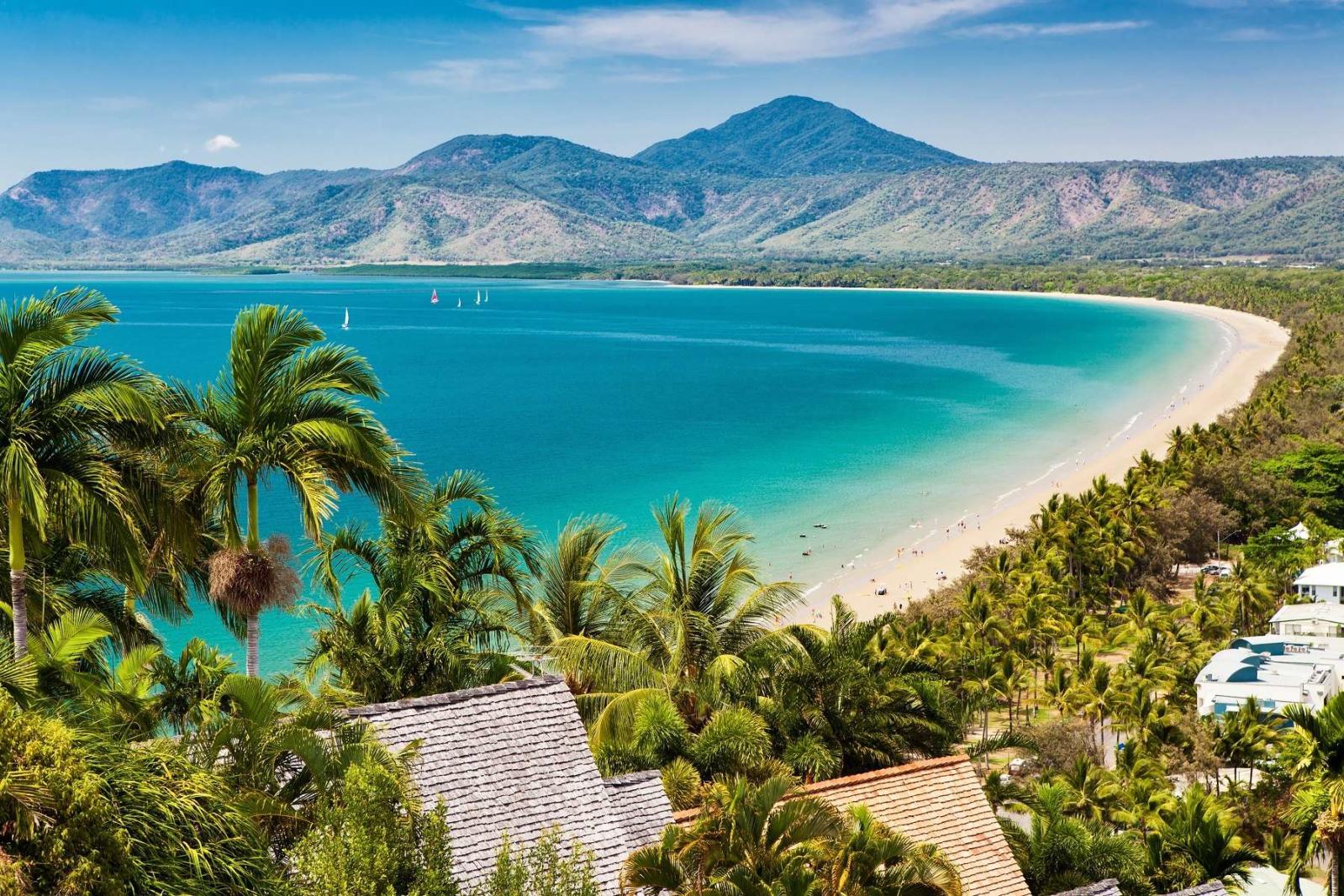
Port Douglas Four Mile Beach

Port Douglas Four Mile Beach

10 min walk

landmark

A long patrolled beach at the northern end of Port Douglas known for calm swimming conditions. Stinger nets operate here during summer months.

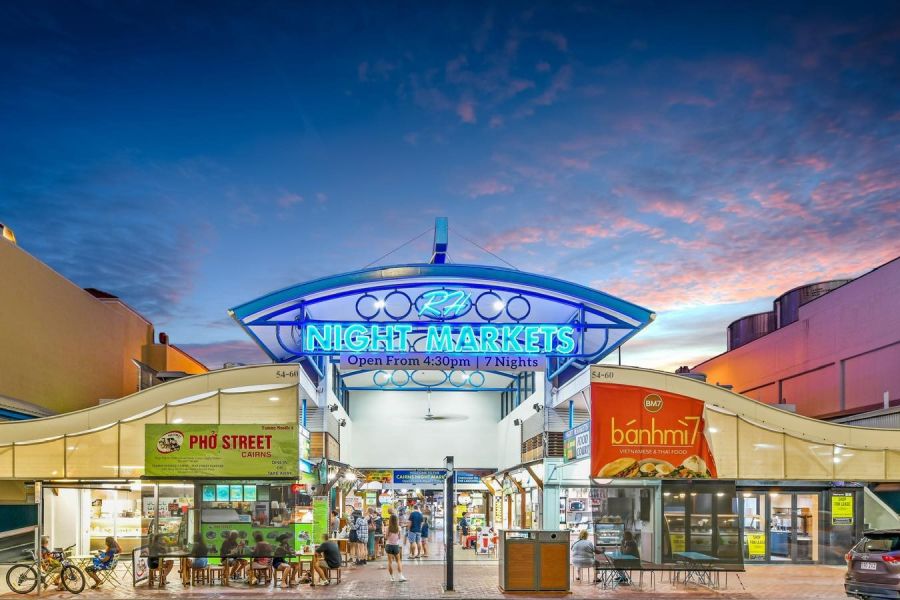
Cairns Night Markets

Cairns Night Markets

12 min walk

square

An evening market strip in central Cairns with food stalls and local crafts. Popular after full-day reef trips return to shore.

Where to stay

Where to stay near Great Barrier Reef Snorkeling

Cairns city center

district

Dense cluster of hotels and hostels within walking distance of the Reef Fleet Terminal, ranging from budget to upscale.

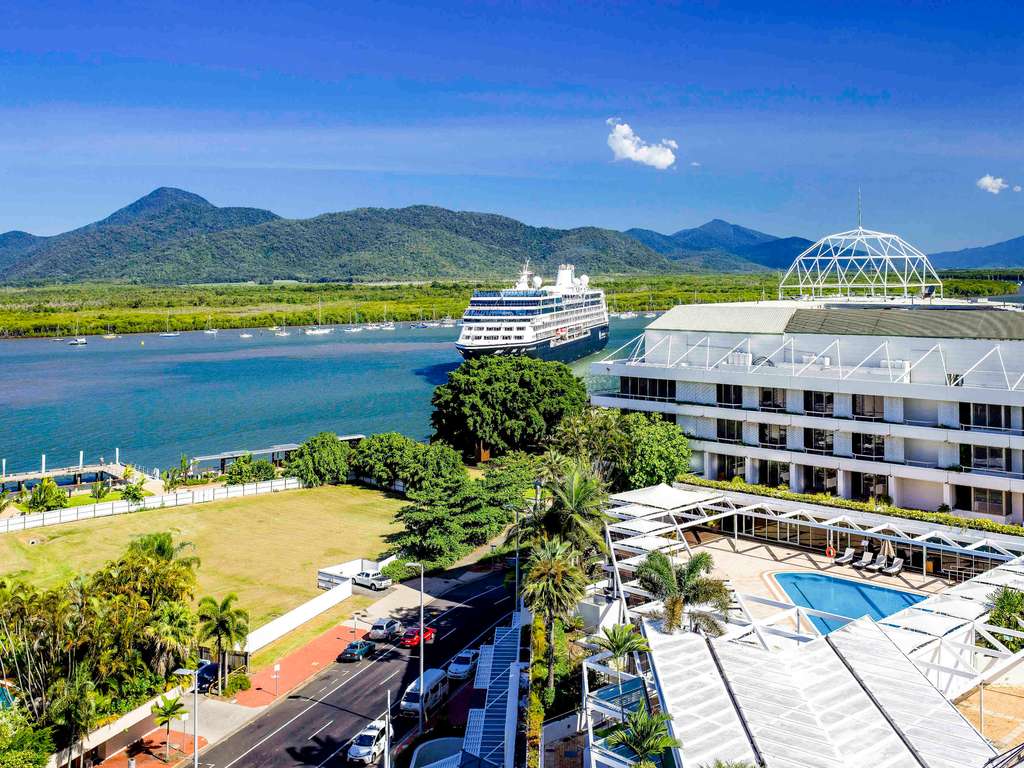
Pullman Cairns International

Pullman Cairns International

8 min walk

luxury

Waterfront hotel near the Cairns Esplanade with reef-tour desks in the lobby.

Port Douglas district

district

Resort town with beachfront mid-range and boutique stays near the marina, favored for quieter reef departures.

Budget hostels Cairns

5-10 min walk

budget

Backpacker-oriented lodging clustered near the Cairns waterfront and bus terminals.

Ready for Adventure?

Join thousands of happy travelers who have discovered this incredible experience

Book Your Experience Now