
9 hr
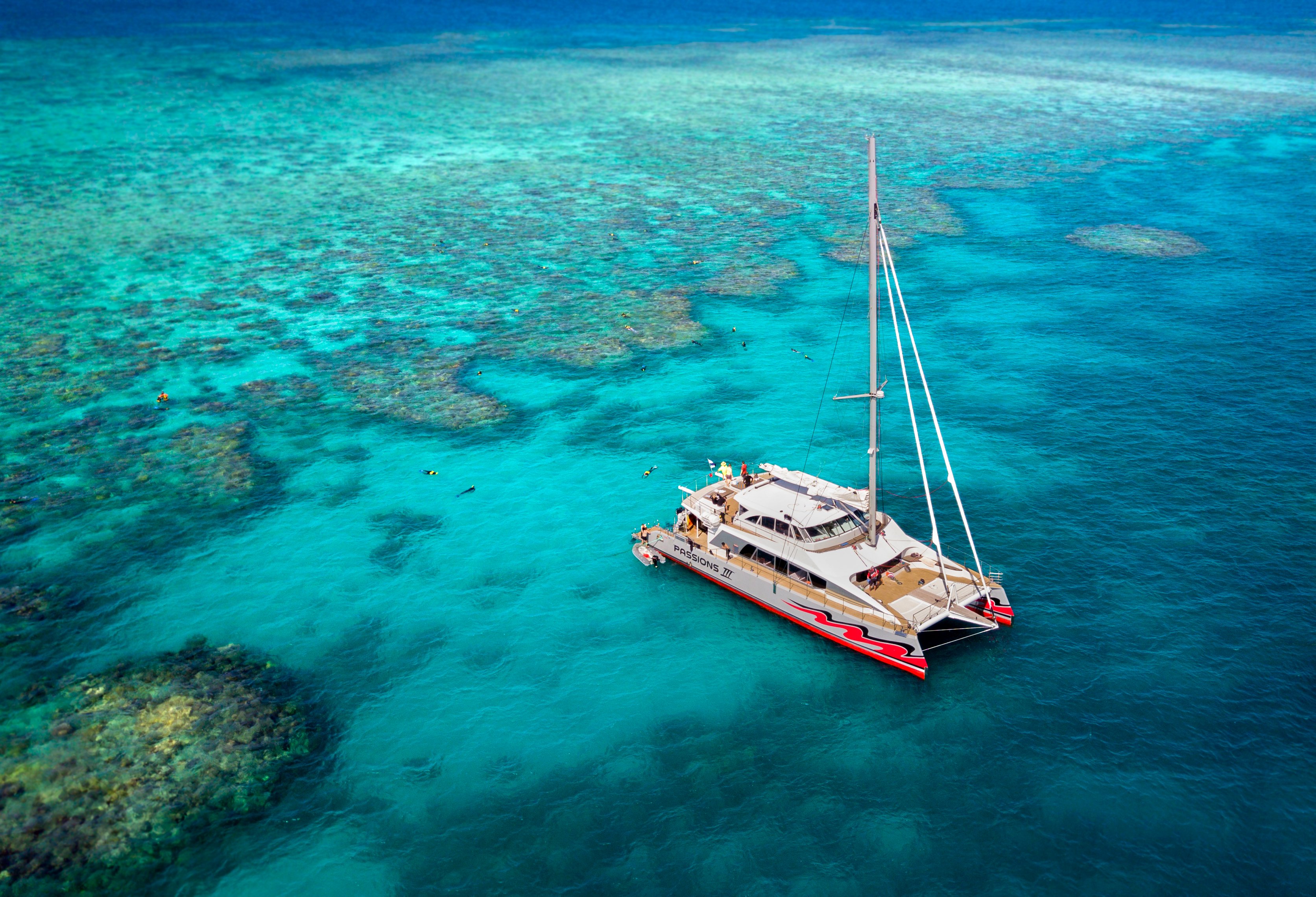
Great Barrier Reef Premium Catamaran Sailing Adventure
- Expert local guide
- Small group
- Skip-the-line access
- Free cancellation
Great Barrier Reef Diving Tours — Premium Operators & Marine Park Access
Certified dive sites across 2,300 kilometres, crystal visibility below the thermocline
Compare fares, pick the fit — all bookings are mobile-voucher and eligible for free cancellation where shown.
9 hr
4 hr
8 hr 30 min
Choosing between various great barrier reef diving tours requires balancing your desired level of underwater immersion with the vessel type that best suits your comfort. Whether you prefer the stability of a stationary platform or the adventure of a high-speed catamaran, each reef voyage offers a unique way to experience this UNESCO World Heritage landmark.
| Snorkel Day Trip Standard vessel access |
Top pick Outer Reef Expedition Full-day dive & snorkel |
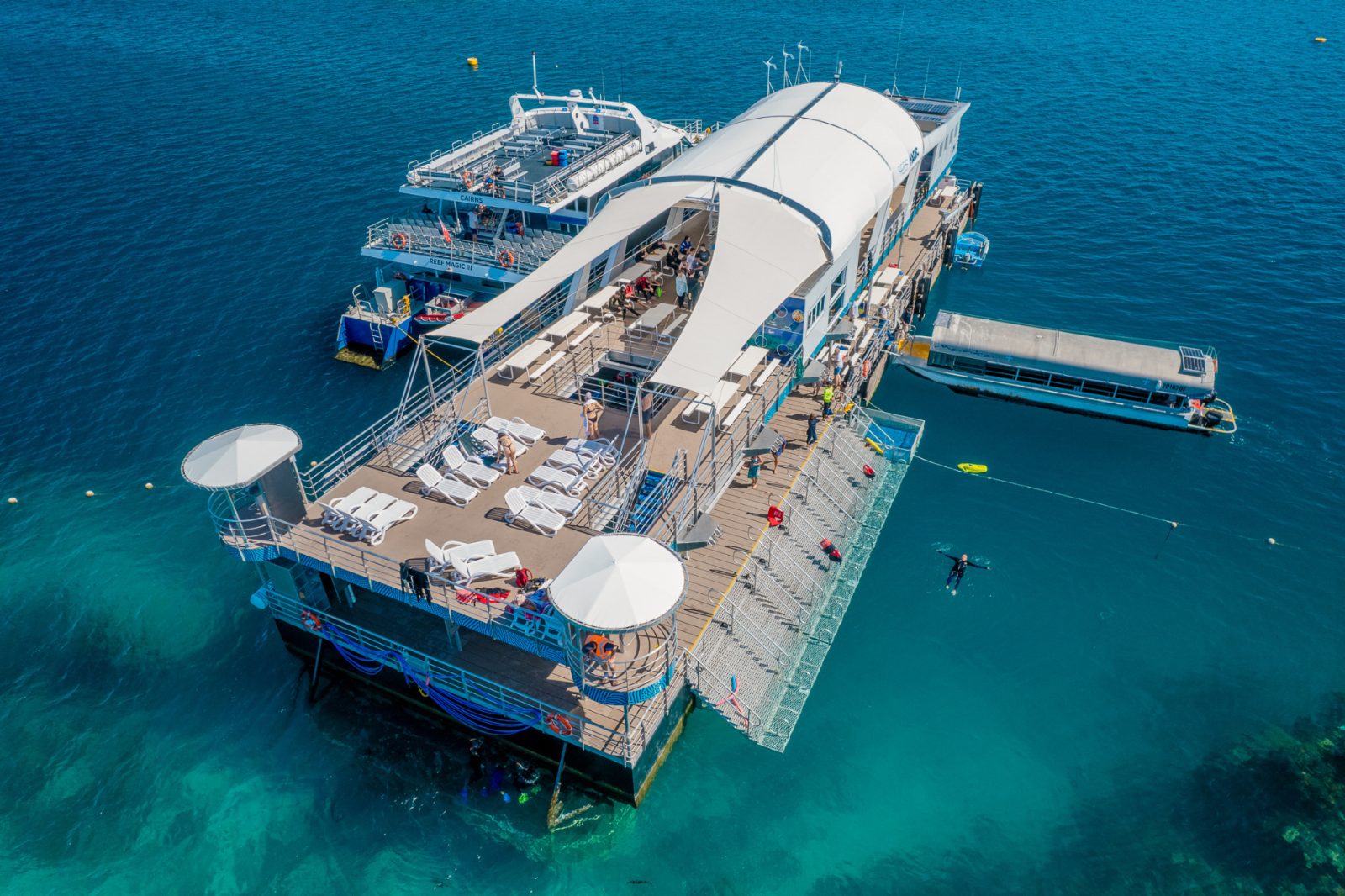
Platform Reef Experience Stable pontoon access | |
|---|---|---|---|
| Vessel type | Catamaran | Superyacht | Pontoon Platform |
| Duration | 4–6 hours | 8–9 hours | 7–8 hours |
| Snorkel or dive access | Snorkel included | Dive-inclusive options | Snorkel & intro-dive |
| Number of reef sites | 1–2 sites | 2–3 sites | 1 site |
| Departure port | Cairns/Port Douglas | Cairns | Cairns/Port Douglas |
| Best suited for | Budget-conscious visitors | Experienced enthusiasts | Families & non-swimmers |
| See tickets & prices |
Verdict: For the most complete experience, we suggest booking an Outer Reef Expedition great barrier reef diving tours tickets package to maximize your underwater time.
Worth it for snorkelers and divers seeking biodiversity
Great barrier reef diving tours deliver exceptional value when you consider what's at stake: access to the world's largest coral reef system, home to 1,500 fish species and 400 coral types. Beyond the mandatory 8 AUD Environmental Management Charge, tours range from half-day snorkel excursions to full-day superyacht expeditions. The core question isn't cost—it's whether you'll encounter optimal conditions. Visibility averages 10–30 meters but drops during plankton blooms or after storms. Most operators include snorkel or dive equipment, lunch, and expert marine biologists who interpret what you're seeing. For confident swimmers comfortable in open water, great barrier reef diving tours tours represent a fair exchange: you're paying for boat access to outer reef sites impossible to reach independently, plus safety infrastructure. Non-swimmers face limitations—surface viewing from glass-bottom boats offers a preview but misses the immersive encounter. The reef's ecological fragility adds urgency; scientists project significant coral loss by 2050, making current visits more valuable than future ones.
Bottom line: If you swim confidently and weather cooperates, great barrier reef diving tours tickets offer irreplaceable access to a vanishing ecosystem.
They complement each other; most visitors who do both call diving the more immersive experience, while snorkeling provides greater surface freedom.
|
Top pick Great Barrier Reef Diving Tours |
Snorkeling | |
|---|---|---|
| Skill requirements | Certification or intro briefing required | |
| In-water perspective | Inside the reef community | |
| Primary gear | Scuba tank, regulator, BCD | |
| Depth access | Up to 12m (intro) or more | |
| Cost | Usually an extra fee | |
| Marine life encounters | Deeper walls, overhangs, large species | |
| See tickets & prices |
Verdict: Choose a great barrier reef diving tours tour if you want to descend into the deep reef structure, or select the snorkeling great barrier reef diving tours tickets option for an accessible, low-pressure day on the water.
Hand-picked experiences loved by thousands of travelers
8 hours 30 minutes
Free Cancellation
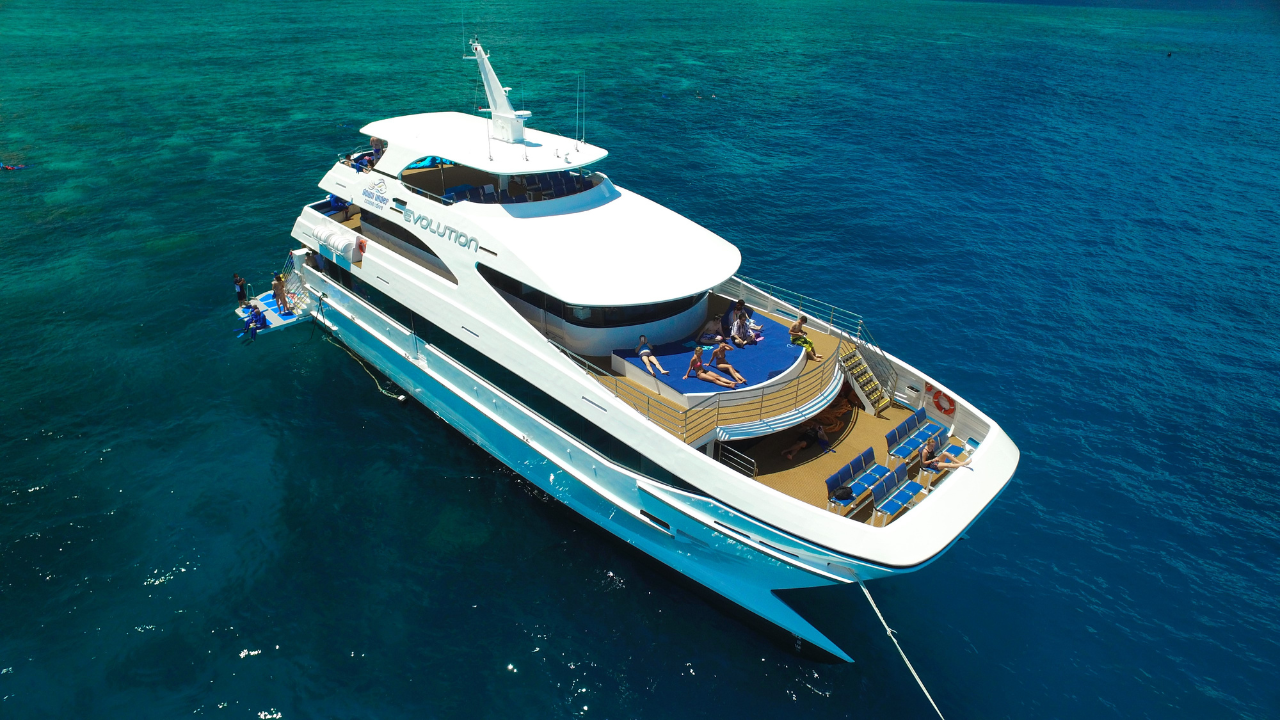
Sail to two pristine reef sites aboard a luxury vessel with snorkeling, BBQ lunch, and wine
8 hours
Free Cancellation
Eight-hour outer reef adventure with exclusive mooring access, marine encounters, and full-day catering
5 hours
Free Cancellation
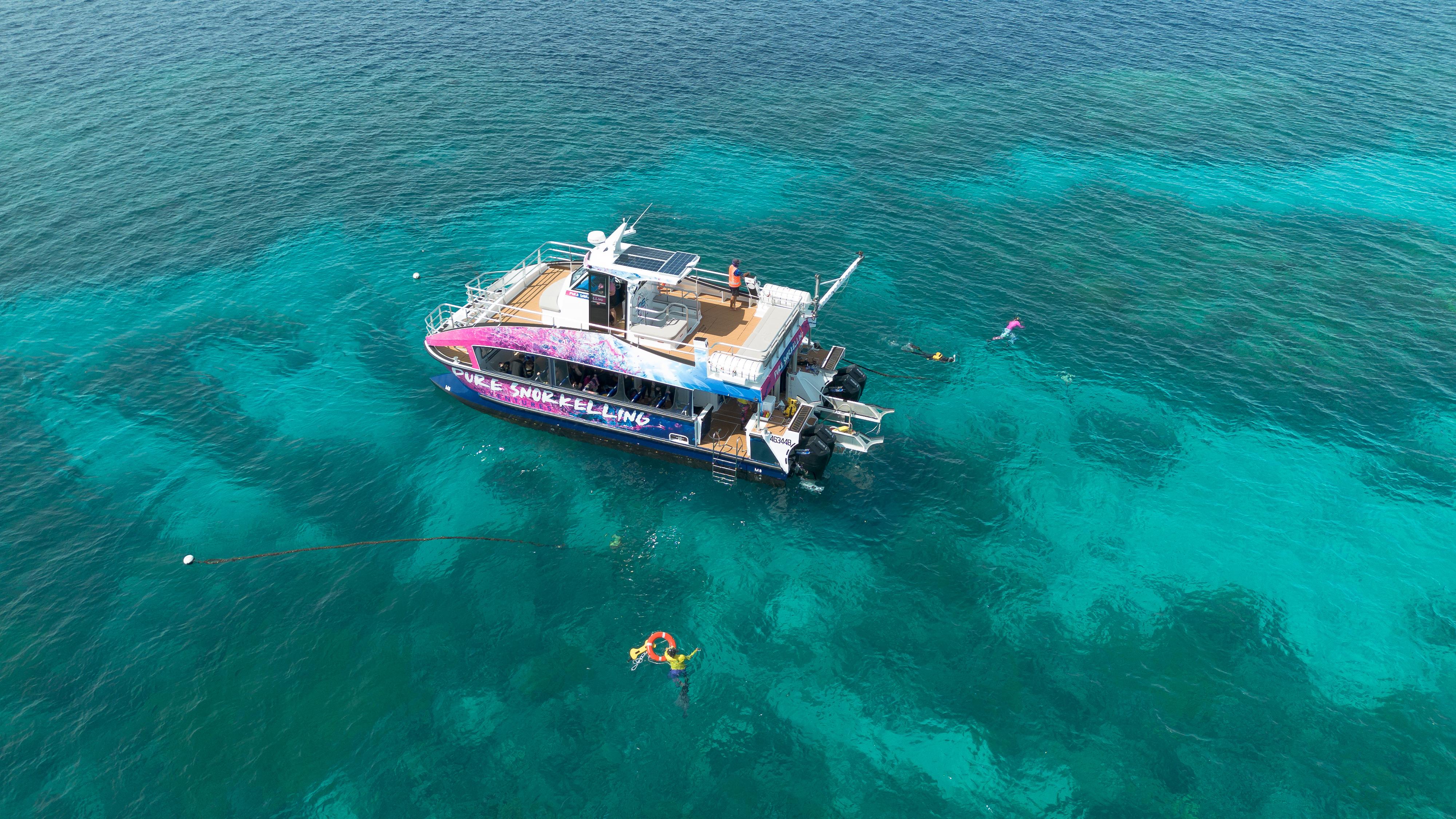
Explore the Outer Reef with marine biologists on an intimate, eco-certified small-group tour from Cairns
8 hours
Free Cancellation
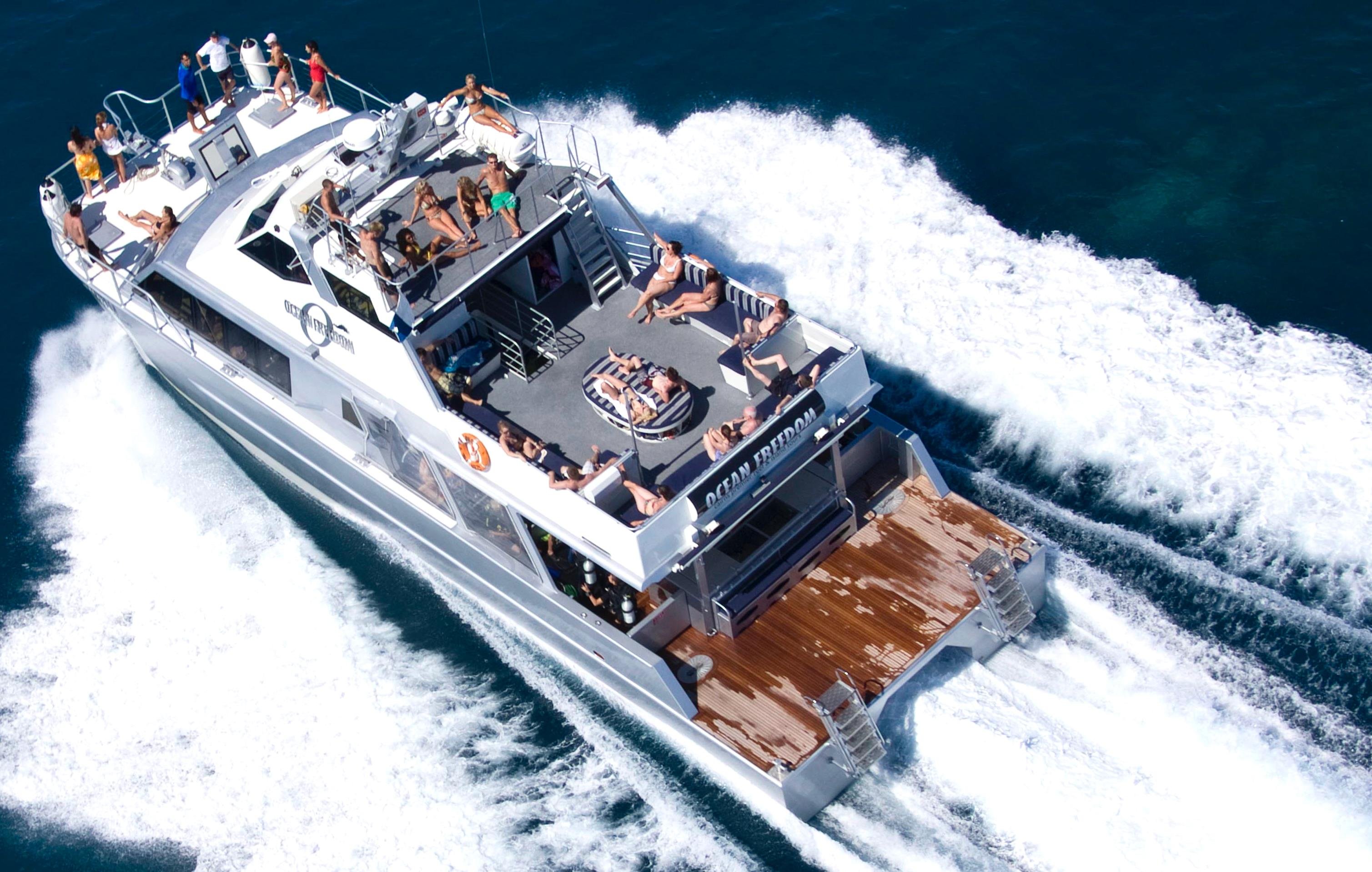
Speed to the outer reef aboard a luxury catamaran for five hours of diving and snorkeling at three pristine locations
7 hours 30 minutes
Free Cancellation
Full-day expedition to three pristine reef locations with snorkeling, optional diving, and onboard meals
9 hours
Free Cancellation
Discover two pristine reef locations with five hours in the water plus Aboriginal storytelling
Full day (approximately 9 hours)
Free Cancellation
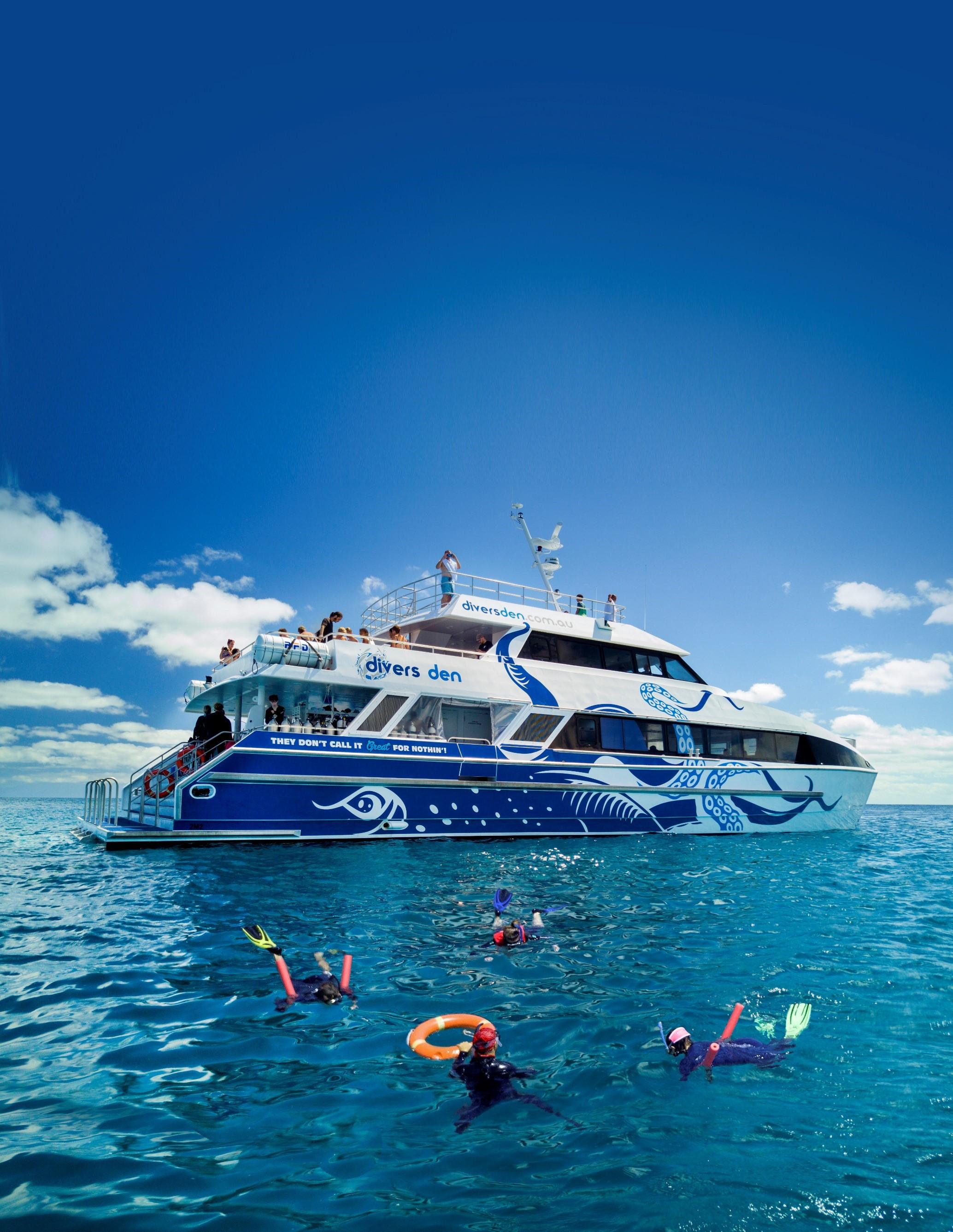
Explore two pristine outer reef locations with included diving, unlimited snorkeling, and gourmet meals
2 days
Free Cancellation
Intimate 12-guest liveaboard exploring 9 pristine reefs with guided dives, gourmet meals, and starlit nights
Boarding and safety briefing
Boat travel to outer reef
Initial site exploration
Onboard meal and recovery
Afternoon coral viewing
Located on the edge of the continental shelf, this ribbon reef offers visibility exceeding 30 meters. It is a world-class destination for Great Barrier Reef diving tours
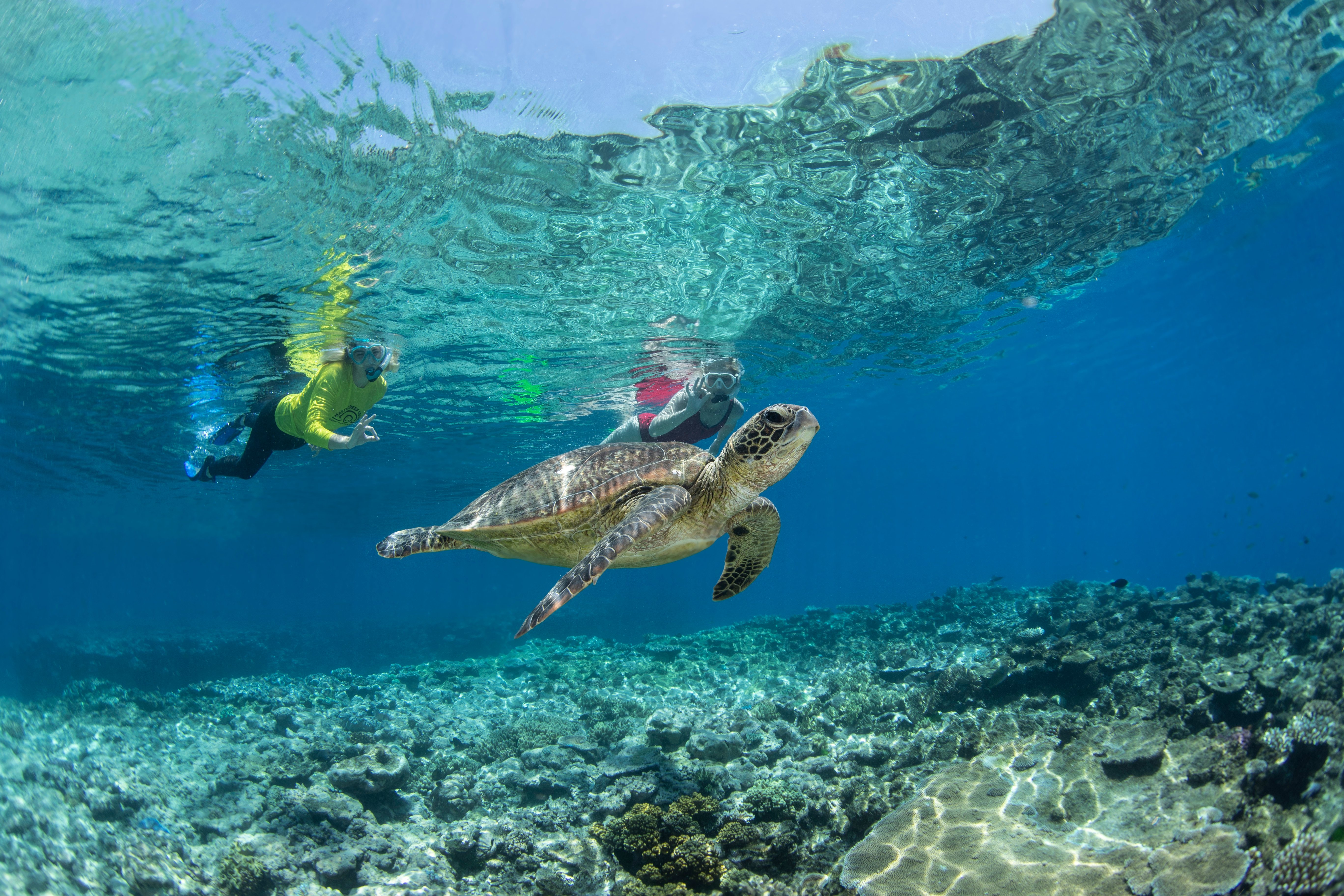
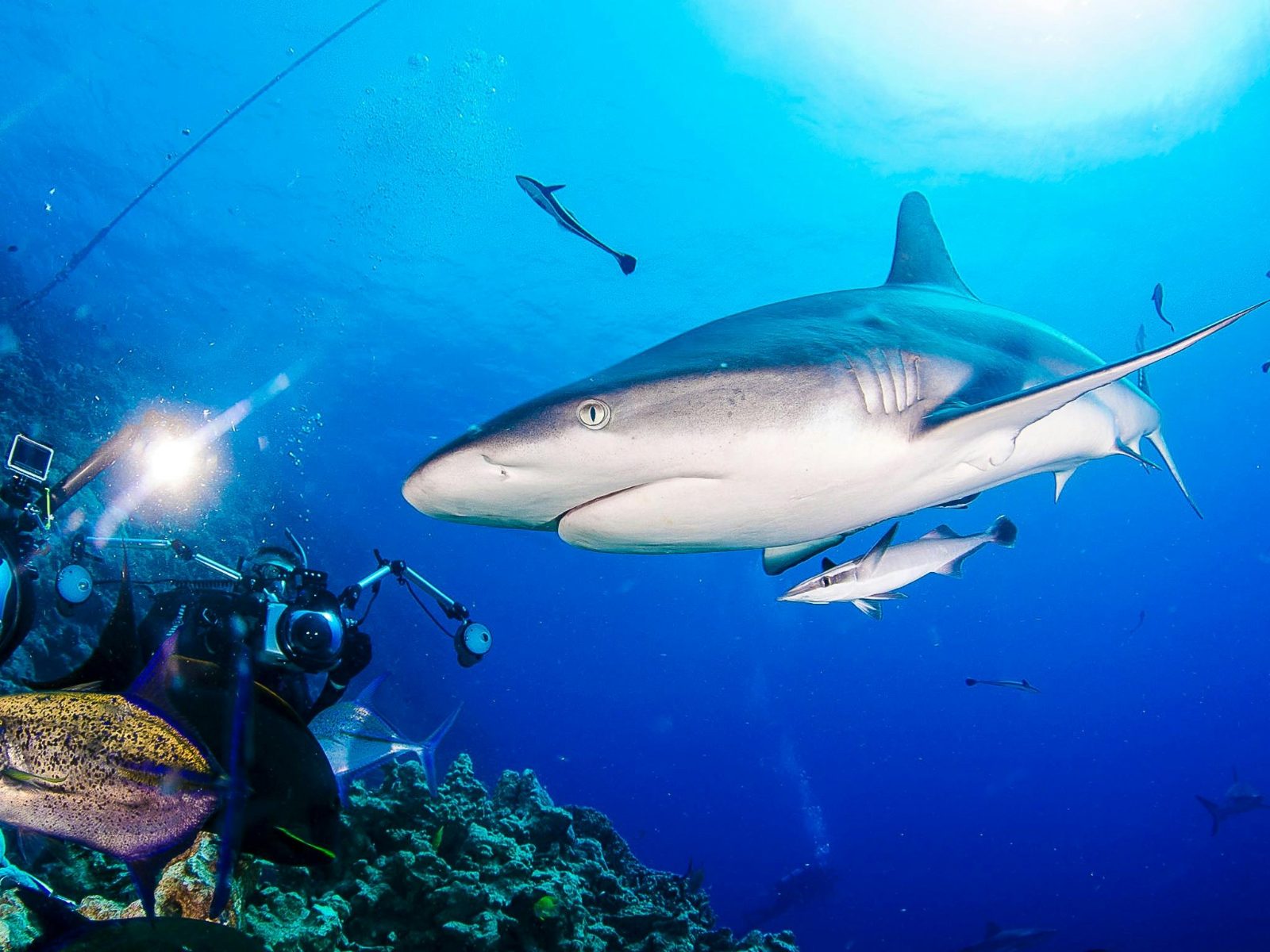
These massive coral structures rise from the sea floor to create diverse habitats for marine life. Divers frequently encounter reef sharks and turtles here
Famous for large potato cod, this site is a top highlight for many Great Barrier Reef diving tours. These fish are known for being exceptionally friendly to divers
Considered one of the best wreck dives globally, it features an artificial reef teeming with marine life. This site requires advanced certification for Great Barrier Reef diving tours participants
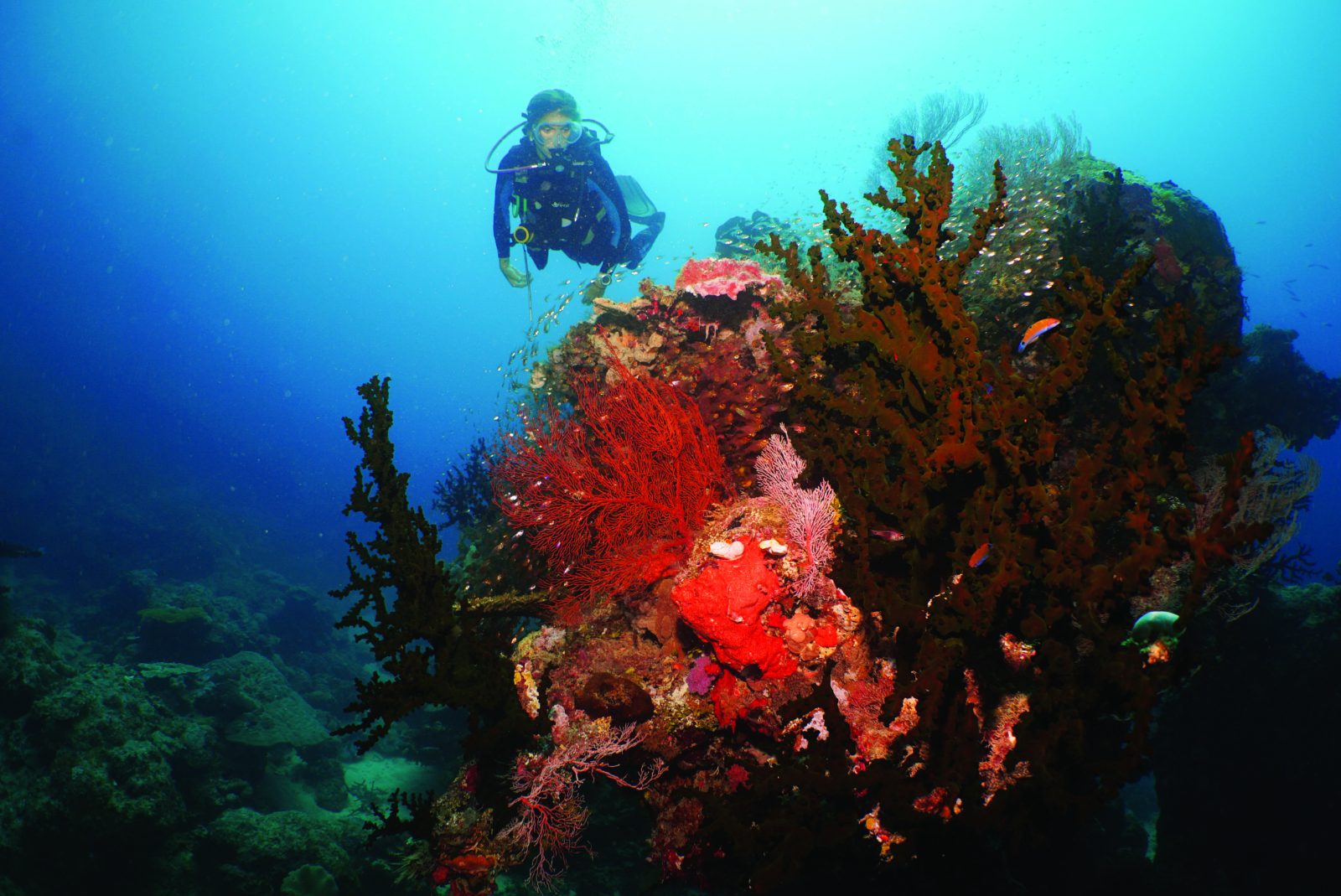
A chain of individual reefs offering varied topography for photographers and divers. These sites are consistently vibrant with hard and soft coral species
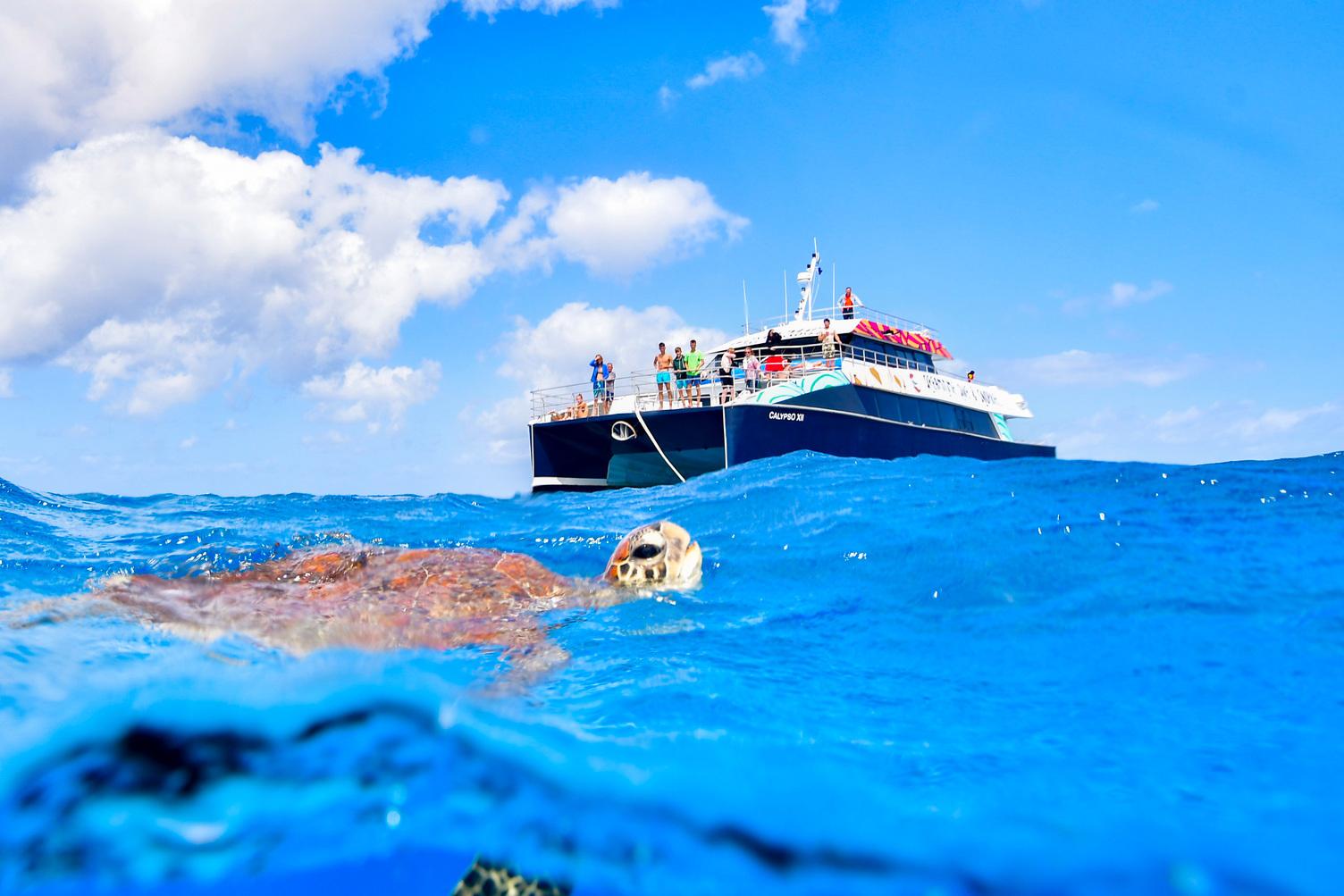
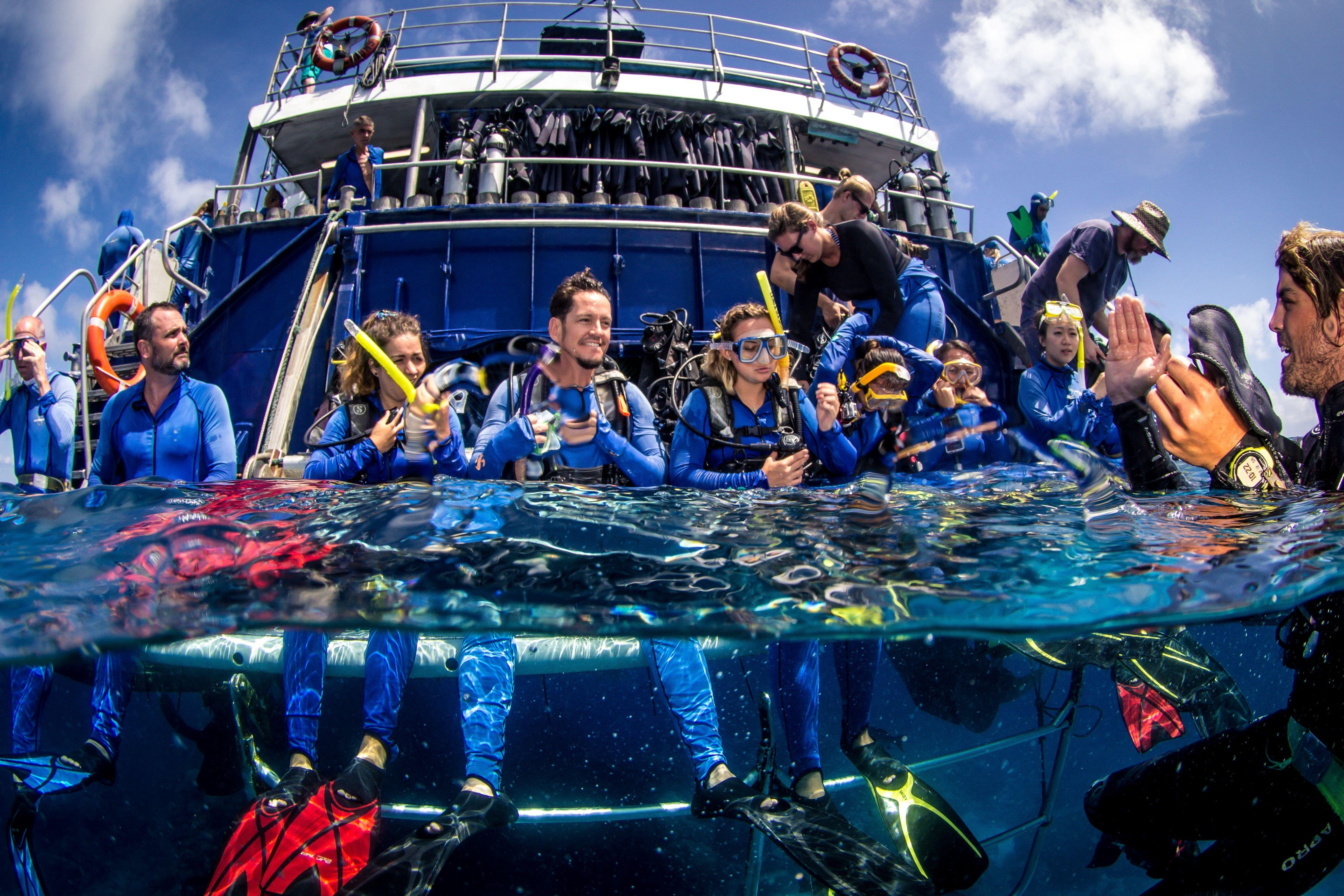
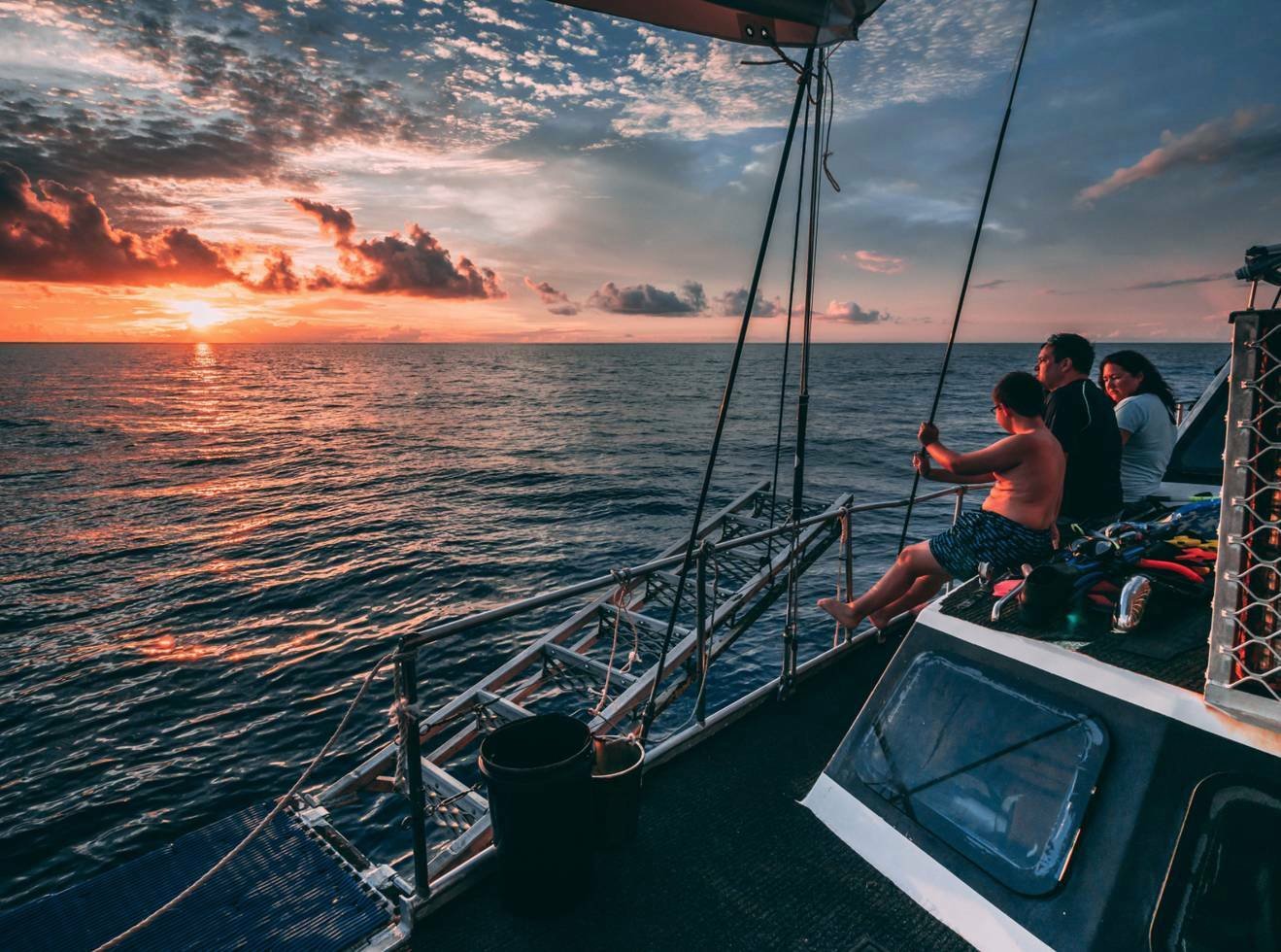
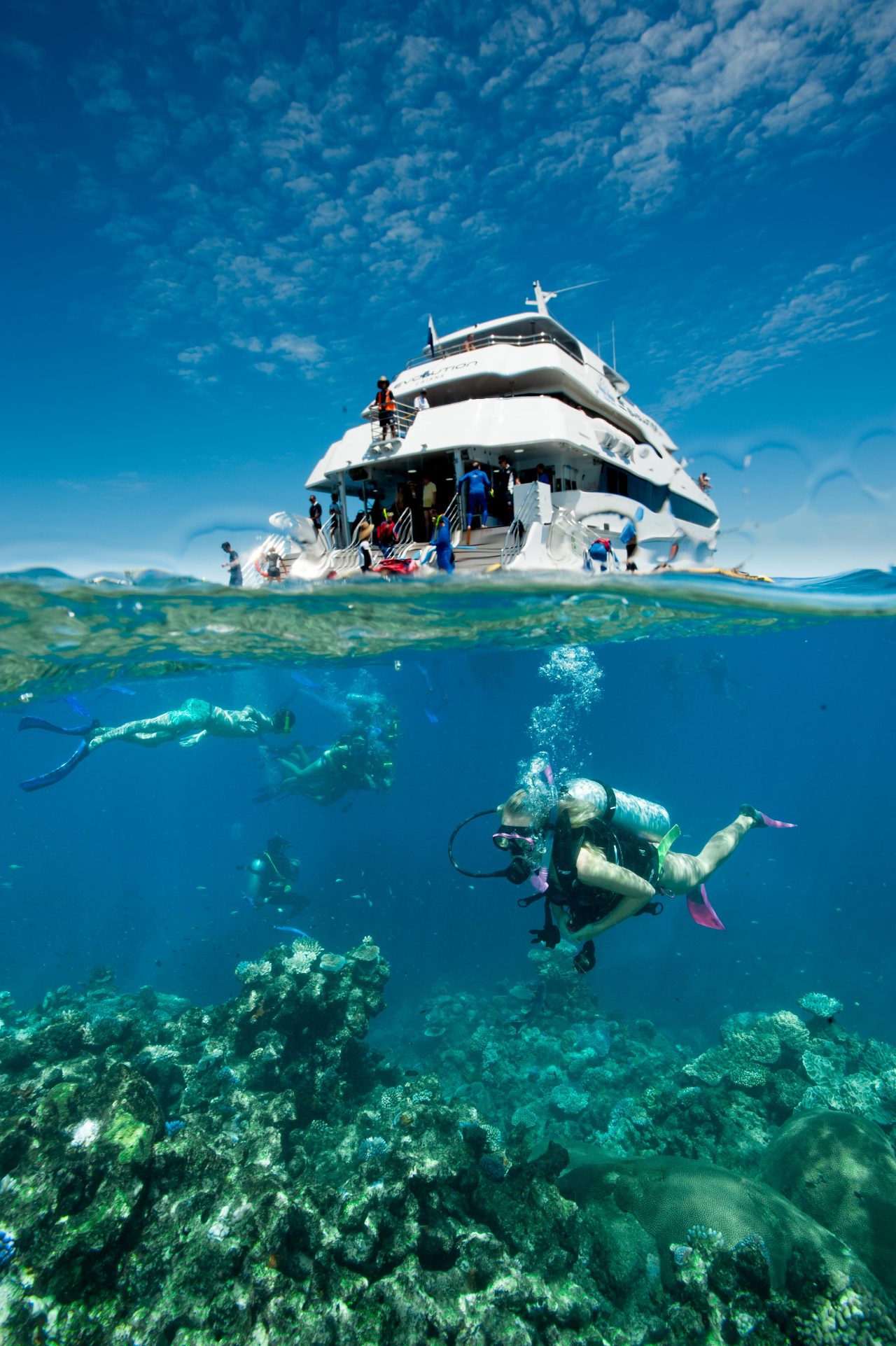
You board the catamaran at 7:15 AM as crew secure dive cylinders in vertical racks. The vessel clears the harbour channel by 7:40, accelerating to 22 knots across glassy Coral Sea water. Ninety minutes offshore, the captain cuts engines above a moored pontoon at Agincourt Reef.
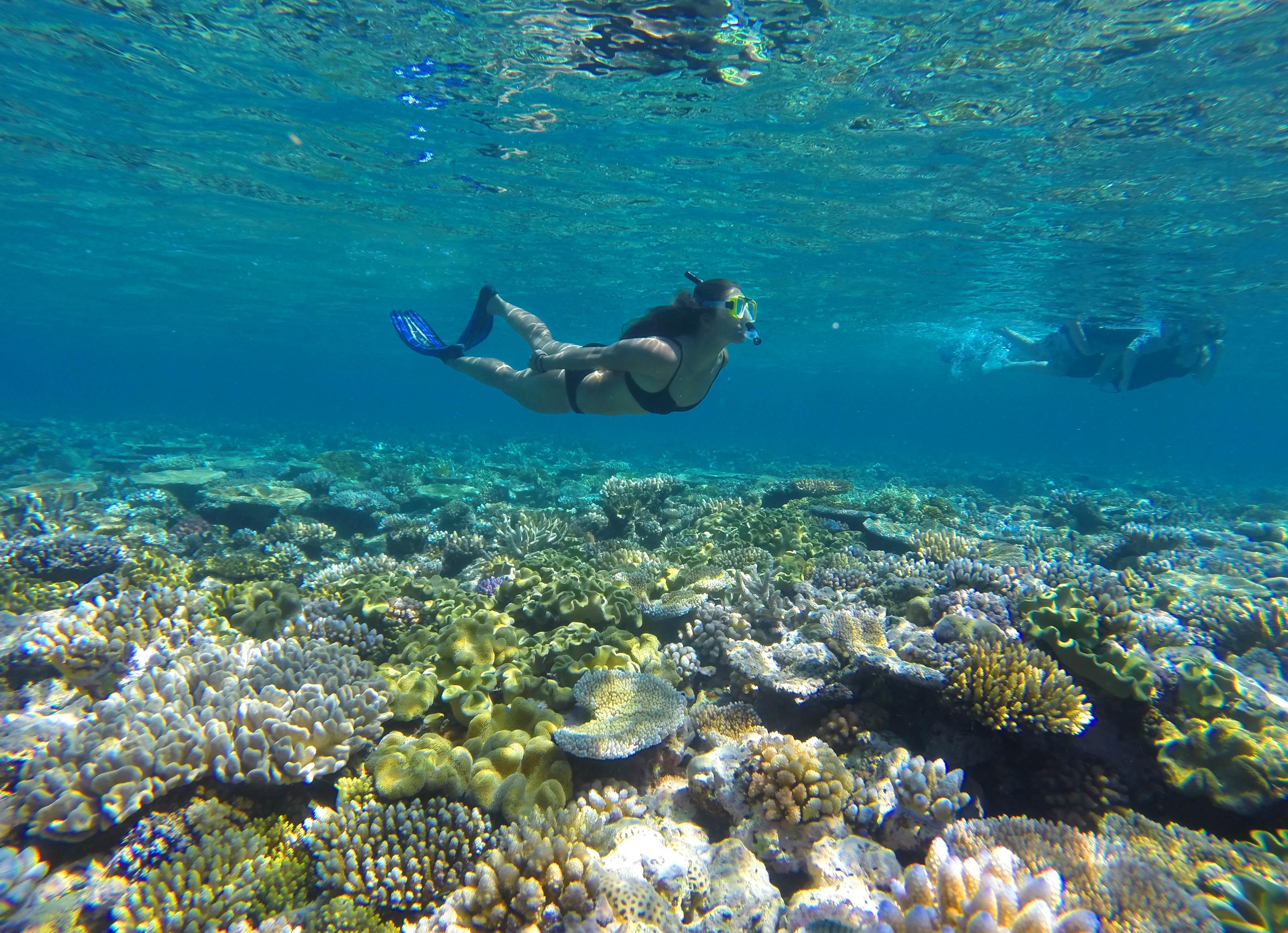
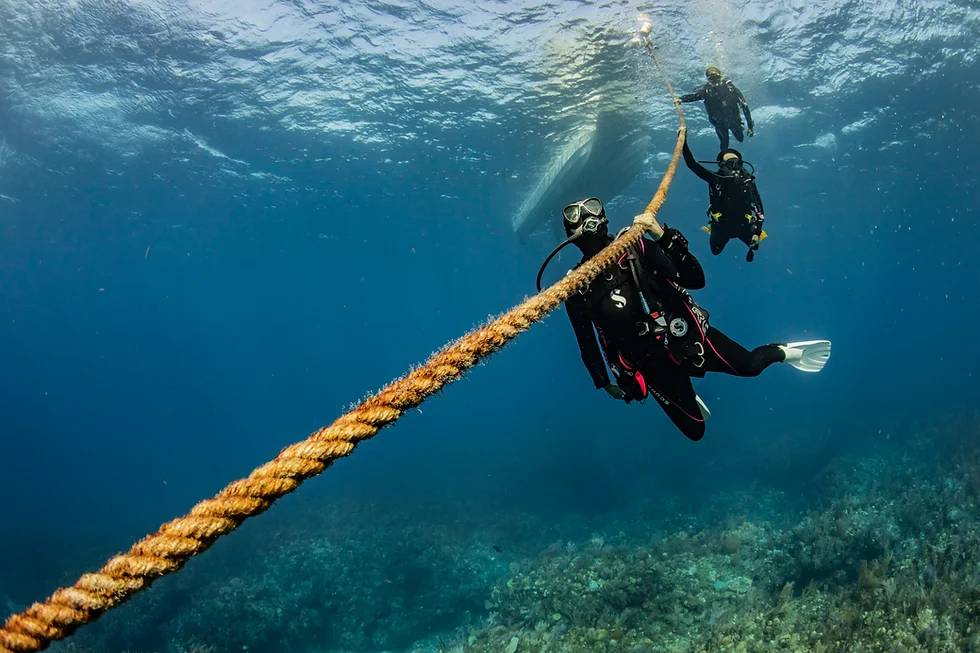
You don wetsuit and BCD, complete a giant-stride entry, and descend a mooring line to 12 metres.
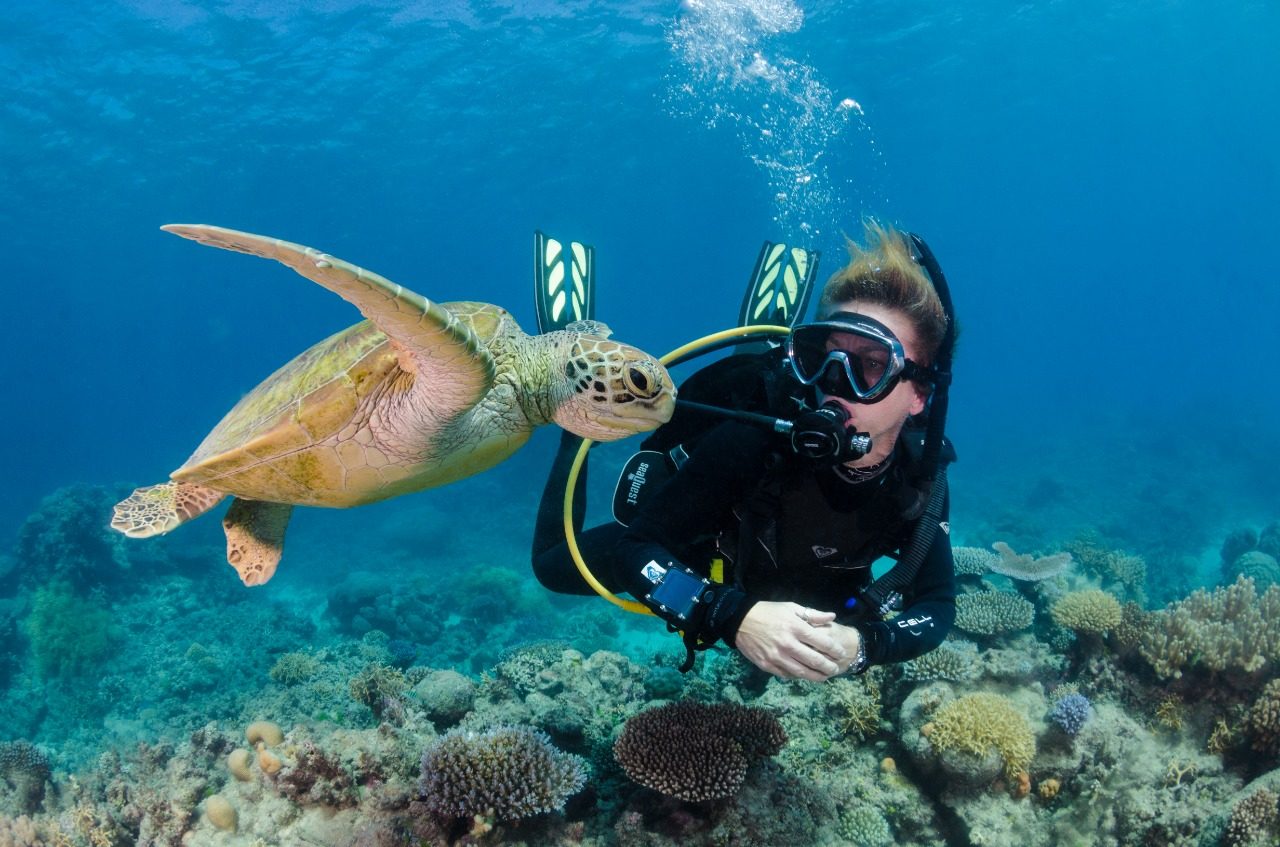
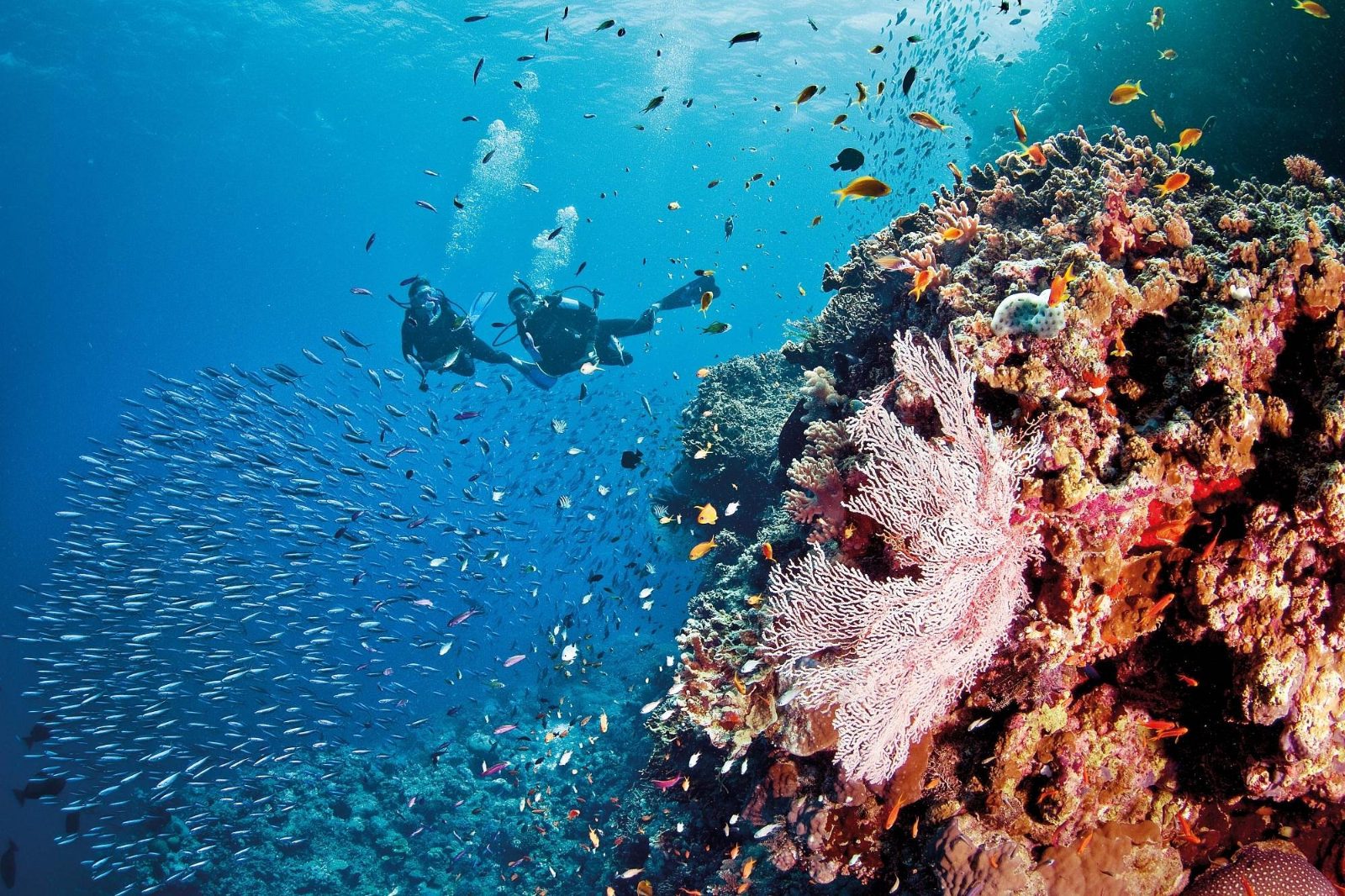
Visibility opens to 35 metres. Staghorn coral formations rise three metres tall, sheltering parrotfish that scrape algae with fused teeth. You follow the divemaster along a bommie wall to 18 metres, equalising pressure every two metres. A green sea turtle glides past at arm's length, exhaling a silver bubble stream. The group ascends slowly after 42 minutes, surfacing beside the platform where crew hand up fins and weight belts. Between dives, you rest on cushioned benches while the boat repositions to a shallower coral garden for the second immersion.
All the details about your upcoming adventure in one place
The Great Barrier Reef stretches 2,300 kilometres along Queensland's continental shelf, containing 2,900 individual reefs and 900 islands across 344,400 square kilometres of marine park. UNESCO inscribed the site in 1981, recognising the largest living structure visible from space.
What began as Aboriginal and Torres Strait Islander custodianship spanning 60,000 years evolved into the world's most regulated coral ecosystem, governed by zoning plans that separate tourism corridors from scientific reference areas.
Dive operators access approximately 40 designated outer reef sites and 120 inner reef moorings under Great Barrier Reef Marine Park Authority permits. Water temperature ranges from 24°C in winter to 29°C in summer, with horizontal visibility exceeding 30 metres during calm conditions between May and October. The reef's biodiversity index records 1,625 fish species, 600 coral types, and 133 shark and ray species. Six of the world's seven sea turtle species nest along reef cays.
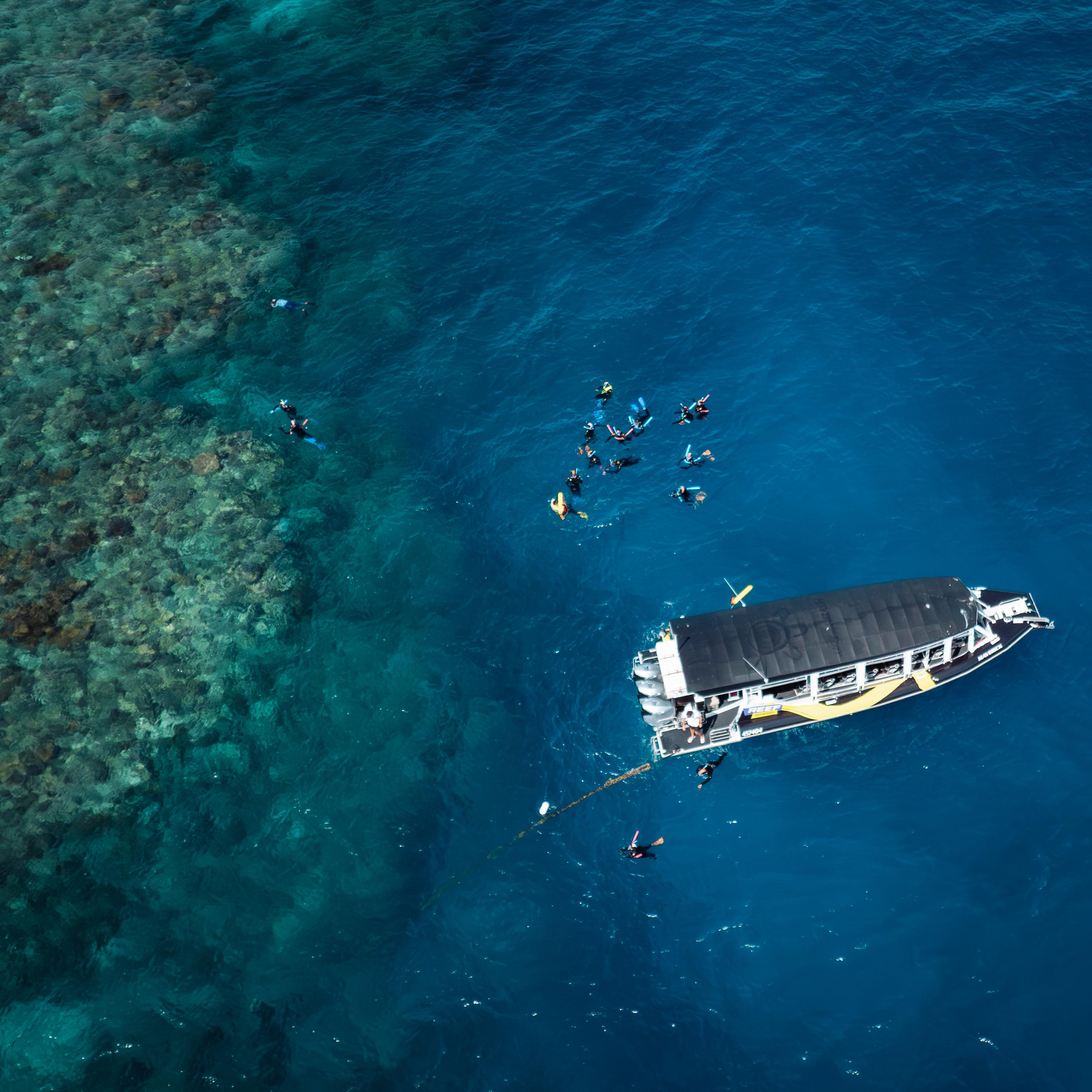
Modern great barrier reef diving tours deploy twin-hull catamarans and superyachts equipped with hydraulic dive platforms, reaching outer reef sites 40 to 60 kilometres offshore in 90 to 120 minutes. Ribbon reefs north of Cairns and Agincourt Reef off Port Douglas offer wall dives descending beyond 40 metres. The Cod Hole near Lizard Island remains the only site where potato cod aggregate in diveable depths. Dive operators conduct four-point mooring attachments to avoid anchor damage, while the 8 AUD Environmental Management Charge per person per day funds reef monitoring programs and Crown-of-Thorns starfish removal. Nitrogen narcosis protocols limit recreational dives to 30 metres without advanced certification, and decompression stops follow PADI and SSI tables calibrated for Queensland's sea-level pressure.
The reef's biodiversity index records 1,625 fish species, 600 coral types, and 133 shark and ray species.
Wear swimwear, a hat, and UV-protective clothing for Great Barrier Reef diving tours. Stinger suits are often provided by operators during jellyfish season.
Keep belongings minimal as space on vessels for Great Barrier Reef diving tours is limited. Soft-sided dry bags are recommended to protect personal items.
Underwater cameras are permitted on all Great Barrier Reef diving tours. Ensure your equipment is secured with a lanyard to prevent loss while swimming.
Children must be supervised by a parent or guardian at all times during Great Barrier Reef diving tours. Age restrictions for scuba activities vary by provider.
Some operators provide specialized lifts for Great Barrier Reef diving tours guests with mobility needs. Contact your specific provider to verify equipment capabilities.
Most Great Barrier Reef diving tours include lunch and drinking water. Specific dietary requirements should be communicated to the operator during booking.
Opening Hours
00:00–23:59
Address
Great Barrier Reef Marine Park, Queensland, Australia
Accessibility
Varies by vessel and operator
Best arrival window
07:00–08:30
Storage
Limited on boat
Location
Great Barrier Reef Marine Park
Car · Varies · Fees apply
Parking is available at various terminals in Cairns for those joining Great Barrier Reef diving tours.
Public transport · Varies · Check local schedules
Buses serve the Cairns city center near major operators of Great Barrier Reef diving tours.
Operators typically require notice 24 to 48 hours prior for full refunds. The 8 AUD Environmental Management Charge is included in your booking price.
Recommended time
4-9 hours
Planning your visit requires balancing transit time to the outer reef with water activities, as most great barrier reef diving tours offer itineraries spanning between 4 and 9 hours. We recommend the best arrival window of 07:00–08:30, as early boat departures give calmer seas and better underwater light for exploring the marine park. When searching for your ideal great barrier reef diving tours tour, consider that half-day excursions focus on nearby sites, while full-day charters provide deeper access to the corals. Securing your great barrier reef diving tours tickets early ensures access to these vessels, which experience peak capacity mid-morning as they arrive at primary snorkelling spots.
Crowd levels through the day
Weather · crowds · average price — dots go green to amber to red as each metric rises.
September to November features excellent visibility and comfortable water temperatures. This is a popular season for booking Great Barrier Reef diving tours excursions.
December to February brings warmer waters but higher humidity levels. Expect occasional weather-related adjustments to Great Barrier Reef diving tours itineraries.
March to May offers stable conditions and calm seas. It is a favored time for underwater photography during Great Barrier Reef diving tours.
June to August provides the coolest temperatures and optimal visibility. Migrating whales are frequently sighted during Great Barrier Reef diving tours.
Secure your Great Barrier Reef diving tours tickets in advance to ensure availability during peak seasons. This is essential for specialized dive expeditions.
Review daily wind and tide reports before your trip. Operators of Great Barrier Reef diving tours adjust locations based on weather for your comfort.
1 Spence St, Cairns City QLD
Primary hub for many Great Barrier Reef diving tours
Get directionsThe Great Barrier Reef began forming approximately 500,000 years ago, though the current structure dates to roughly 8,000 years when rising sea levels after the last ice age allowed coral polyps to colonize the continental shelf. Indigenous Australian peoples—including the Yirrganydji, Mandingalbay Yidinji, and Gunggandji—navigated these waters for at least 60,000 years before European contact, holding deep spiritual connections to the reef systems and surrounding islands. European awareness arrived in 1770 when Captain James Cook's HMS Endeavour struck the reef near present-day Cooktown, forcing seven weeks of repairs. The incident marked the reef as both a navigational hazard and a natural phenomenon of extraordinary scale. By the early twentieth century, scientific expeditions documented the reef's biodiversity, but unregulated fishing, tourism, and coastal development threatened its integrity. In 1975, the Australian Parliament passed the Great Barrier Reef Marine Park Act, establishing the Great Barrier Reef Marine Park Authority to balance conservation with controlled access. This framework introduced zoning that designated areas for research, recreation, and protection. The reef earned UNESCO World Heritage status in 1981, recognizing it as the world's largest coral reef system spanning 344,400 square kilometers. The Environmental Management Charge—now 8 AUD per person per day—was introduced in 1993 to fund reef management and research programs. Great barrier reef diving tours emerged under strict permitting systems that limit vessel numbers, anchor damage, and visitor impact on sensitive sites. The Marine Park Authority's high-standard accreditation program, launched in 2005, ensures operators follow best-practice protocols. Coral bleaching events in 2016, 2017, 2020, and 2022 intensified conservation efforts, with great barrier reef diving tours tickets now directly funding restoration projects and water-quality monitoring that shape the reef's survival into the twenty-first century.
Coral formations begin on Queensland's continental shelf
Indigenous Australians establish cultural ties to reef systems
Cook's Endeavour strikes reef near Cooktown, prompting first European documentation
Great Barrier Reef Marine Park Act establishes regulatory authority
UNESCO inscribes reef as World Heritage Site
Environmental Management Charge introduced to fund conservation
High-standard accreditation program launched for tour operators
Four major bleaching events accelerate restoration and monitoring programs
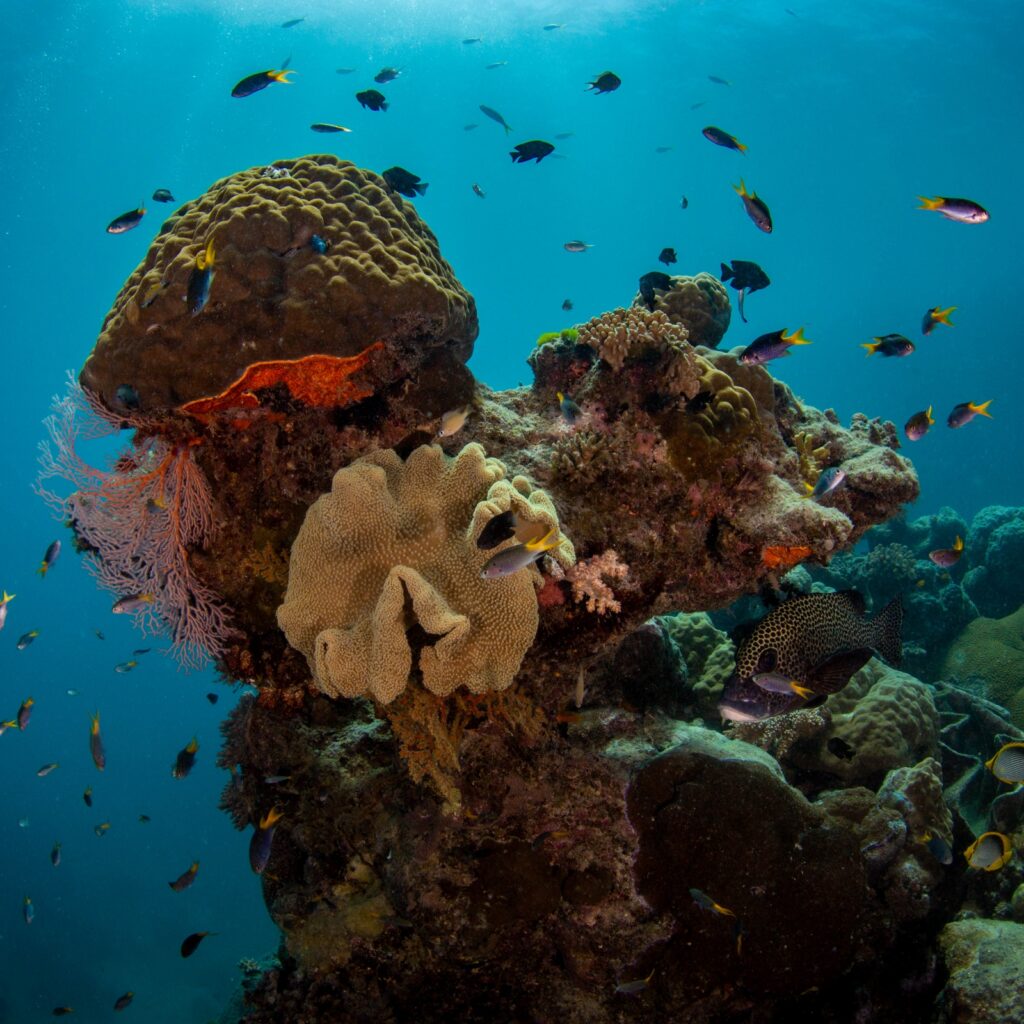
These towering underwater limestone structures provide complex textures for wide-angle compositions featuring reef fish. Position yourself on the leeward side to minimize current drift while maintaining focus on the coral polyps.
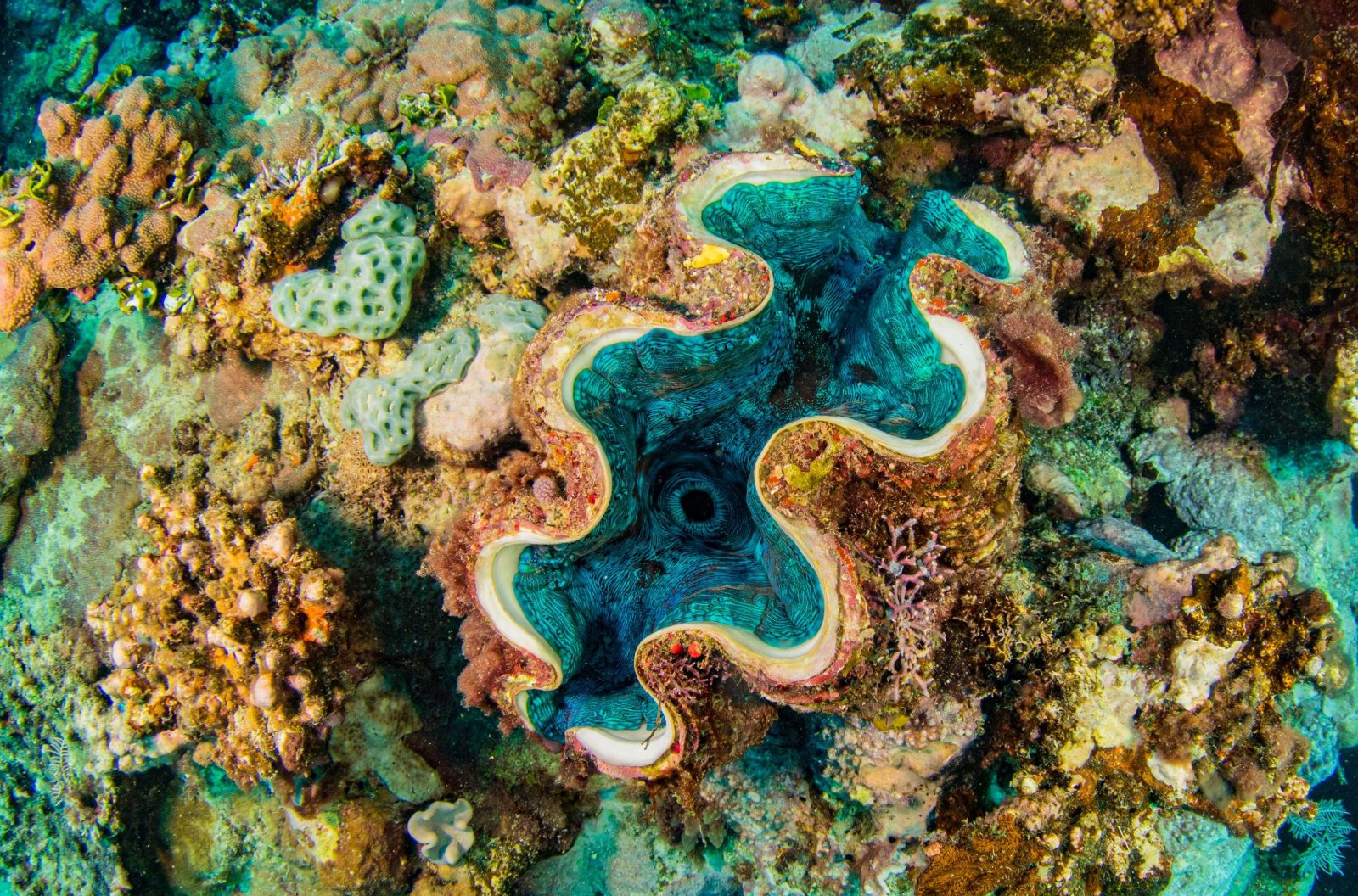
Home to massive, vibrant mollusks, this site offers unique macro photography opportunities of mantle patterns. Capture these stationary subjects when you book great barrier reef diving tours for stable positioning near the sandy bottom.
These semi-submersible platforms offer an elevated perspective for surface shots before you descend to explore the surrounding marine life. They serve as a base for great barrier reef diving tours tours to access deeper reef sections.
Renowned for shark encounters, this site requires a wide-angle lens to capture the scale of pelagic species in deep blue water. Ensure you secure your great barrier reef diving tours tickets well in advance to access this outer reef location.
The steep drop-offs here create dramatic vertical landscapes ideal for wall photography. Experienced divers often find this great barrier reef diving tours tour location provides the clearest visibility for high-contrast images.
Exploring the ecosystem during great barrier reef diving tours requires careful planning to ensure children remain safe and comfortable throughout the day. Selecting the right reef excursions allows families to balance water activities with necessary breaks.
Introductory diving generally requires participants to be at least 12 years old, though younger children can often join as snorkelers. Always confirm specific operator age policies before booking great barrier reef diving tours tours for your family.
Most boat operators provide child-sized life jackets and masks, but it is wise to call ahead to guarantee availability for smaller frames. Ensuring a proper fit for snorkel gear is essential for building confidence in the water.
Younger children often fare better with half-day outings rather than full-day voyages that span nine hours. You may find that shorter experiences provide enough time to see the coral reefs without causing fatigue.
Sea conditions can be unpredictable, so families should consider taking preventative medication before boarding for a great barrier reef diving tours tour. Staff usually keep ginger tablets or wristbands on hand to assist those who feel unwell during transit.
The best arrival window is 07:00–08:30 to secure optimal positioning on the vessel before the crowds. Be aware that the mandatory 8 AUD Environmental Management Charge, per person per day, is typically included in the price of your great barrier reef diving tours tickets.
Most visitors on great barrier reef diving tours enjoy meals provided directly on their tour vessels, which typically serve fresh local seafood and tropical produce. For dining ashore, the Cairns Marlin Marina precinct offers a variety of waterfront options perfect for a post-excursion meal near the reef landmark.
Renowned for innovative Australian cuisine featuring native bush foods and fresh local seafood on the Cairns boardwalk.
An upscale, romantic dining venue in Palm Cove specializing in North Queensland produce with extensive Australian wine selections.
Provides pre-booked buffet lunch service and an onboard licensed bar for snacks and refreshments during your reef tour excursion.
Includes freshly prepared breakfast and lunch menus on board, catering to dietary needs for those on a Great Barrier Reef diving tours tour.
Offers all-inclusive chef-prepared meals for liveaboard guests, ensuring you are well-fed between dives during your great barrier reef diving tours tickets booking.
Everything you need to know for your journey
The Great Barrier Reef Marine Park is accessible 24/7, though operations for Great Barrier Reef diving tours typically occur during daylight hours.
Yes, you can book Great Barrier Reef diving tours tickets via official operator platforms.
The mandatory Environmental Management Charge is 8 AUD per person per day.
Yes, most operators offering Great Barrier Reef diving tours provide flotation gear for non-swimmers.
Arrive between 07:00–08:30 for the best light and calmest seas for your Great Barrier Reef diving tours experience.
Bring your own towel, sunscreen, and hat for your Great Barrier Reef diving tours trip.
Age requirements for Great Barrier Reef diving tours vary by operator and depth of diving.
Yes, the 8 AUD fee is included in the price of your Great Barrier Reef diving tours booking.
You may bring personal masks or computers for Great Barrier Reef diving tours with operator approval.
Most operators will offer a refund or rescheduling if weather forces cancellation of Great Barrier Reef diving tours.
A large saltwater swimming pool located in the city center. It serves as a popular social hub for locals and visitors.
Waterfront hotel offering easy access to docks. Perfect for early departures on Great Barrier Reef diving tours.
Join thousands of happy travelers who have discovered this incredible experience
Book Your Experience Now