
Quick answer
Great barrier reef snorkeling dangers include box jellyfish and Irukandji from November to May, strong currents near channel edges and during tide changes, severe sunburn from reflected UV at the water surface, and coral cuts that easily become infected. Most incidents occur when snorkelers drift beyond marked zones or skip stinger suits during tropical summer months. Guided operators provide protective equipment and brief participants on hazard zones before entry.
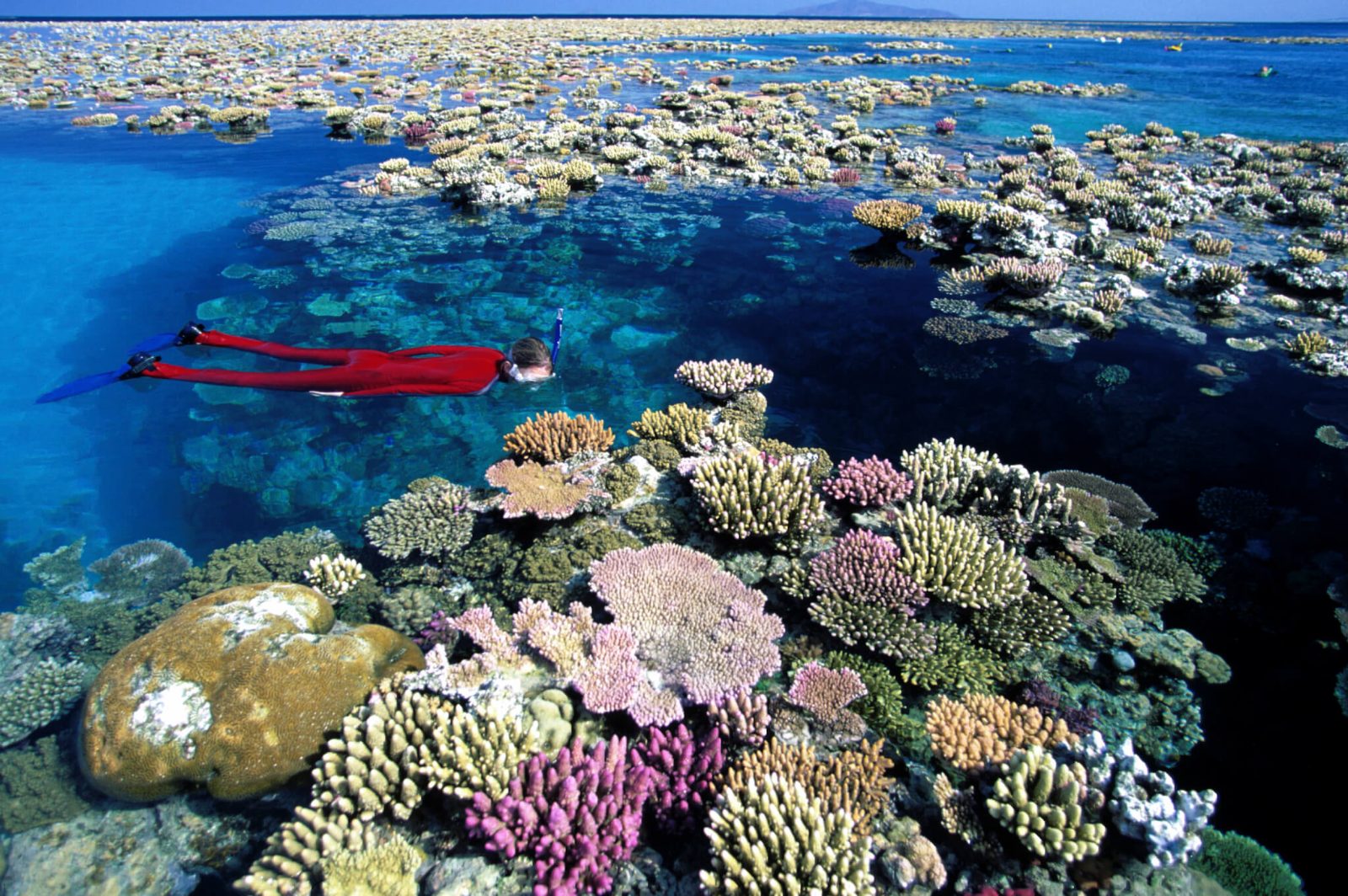
The reef's 3,000-kilometer span crosses multiple climate zones, but the tropical northern sections between Cairns and Port Douglas concentrate both visitor traffic and the highest density of venomous marine species. Box jellyfish appear inshore during the wet season, while the smaller Irukandji jellyfish drift in open water year-round with peak activity from November through May. Snorkeling reef hazards extend beyond stingers. Currents intensify near reef channels and during the transition between high and low tide, typically pulling swimmers toward deeper water where visibility drops and assistance becomes difficult. The Environmental Management Charge of 8.11 AUD per adult per day funds reef patrol services and medical response infrastructure, but response times from outer reefs to mainland hospitals can exceed 90 minutes by helicopter. Coral itself poses a secondary threat — fire coral and staghorn species cause immediate stinging on contact, and any break in the skin introduces bacteria that thrive in warm saltwater. Calmer seas between 08:00 and 10:00 reduce wave chop that impairs visibility and makes it harder to gauge distance from coral formations. Afternoon wind builds surface texture that hides submerged hazards and increases swimmer fatigue. Ultraviolet radiation reflects off the water surface and penetrates through it, delivering double exposure to unprotected skin. A full-length stinger suit blocks both jellyfish tentacles and UV, serving as the single most effective piece of safety equipment. The Great Barrier Reef Marine Park Authority monitors stinger reports and current patterns daily, publishing alerts through tour operators and the official site at gbrmpa.gov.au. Most commercial snorkel sites occupy sheltered lagoons with permanent spotter nets and on-water safety staff, reducing direct exposure to open-ocean conditions. Independent snorkelers who launch from island beaches face the same biological threats without the infrastructure buffer, making operator-led trips the statistically safer choice for first-time reef visitors.
“Currents intensify near reef channels and during the transition between high and low tide, typically pulling swimmers toward deeper water where visibility drops and assistance becomes difficult.”
Great Barrier Reef Snorkeling Dangers — Common Mistakes That Lead to Injury
Most snorkeling injuries stem from preventable errors rather than reef hazards themselves. Recognizing these failure modes before entering the water reduces risk substantially.
Snorkeling alone without a buddy or guide
Always snorkel with at least one other person. Tour operators enforce buddy systems; independent snorkelers should arrange their own partner and maintain visual contact throughout.
Touching or standing on coral to rest or stabilize
Keep neutral buoyancy and use flotation aids if tired. Coral cuts introduce bacteria and destroy fragile polyps; fire coral contact causes immediate stinging pain and welts.
Skipping stinger suits during jellyfish season (November–May)
Wear full-coverage stinger suits from November through May. Box jellyfish and Irukandji are nearly invisible; even shallow water carries risk during these months.
Ignoring current and wind warnings from operators
Abort plans when operators flag conditions as marginal. Choppy surface water reduces visibility, increases fatigue, and separates groups; fighting currents leads to exhaustion and panic.
Underestimating sun exposure time on the water
Apply SPF 50+ sunscreen to all exposed skin 20 minutes before entering, then reapply every 90 minutes. Water reflection intensifies UV; backs of legs and neck burn fastest while face-down.
Panicking when water enters snorkel or mask floods
Stop swimming, lift your head, clear the snorkel with a sharp exhale, and breathe normally. Thrashing wastes energy and draws you away from your group; practice clearing techniques in shallow water first.
Dos & Don'ts
Reef etiquette protects both you and one of Earth's most fragile ecosystems. Following these guidelines reduces injury risk and prevents damage that can take decades to reverse.
Do
- Wear a stinger suit during November–May
- Keep fins horizontal and controlled near coral formations
- Stay with your group and follow guide instructions
- Report injuries or marine life encounters to crew immediately
- Secure all loose items before entering the water
- Apply reef-safe sunscreen at least 30 minutes before snorkeling
Don't
- Touch, stand on, or grab coral for stability
- Chase, corner, or attempt to feed marine life
- Snorkel alone or drift away from designated zones
- Wear regular sunscreen containing oxybenzone or octinoxate
- Ignore stinger-season protective clothing recommendations
- Remove shells, coral fragments, or any marine specimens
Great Barrier Reef Snorkeling Dangers — Facts Worth Knowing Before You Enter the Water
Several hazards on the Great Barrier Reef are well documented by marine safety authorities and worth knowing before entering the water. None of these are reasons to avoid snorkeling, but they explain why local guidance and supervision matter.
Box jellyfish inhabit Queensland coastal waters
Chironex fleckeri, the box jellyfish, is documented along the tropical Queensland coast and can deliver a sting requiring urgent first aid with vinegar and medical attention.
Irukandji jellyfish are near-invisible in water
Carukia barnesi and related Irukandji species are small, largely transparent jellyfish recorded in Queensland waters, known for causing Irukandji syndrome, a delayed and severe pain response.
Stonefish rely on camouflage on the reef floor
Synanceia species, found on reef substrate, are venomous and camouflage against rock and coral, making them difficult to see, which is why authorities advise against standing on the reef floor.
Cone shells carry a venomous harpoon-like sting
Species such as Conus geographus are documented in reef habitats and deliver venom through a harpoon-like tooth, so shells should never be picked up by hand.
Outer reef sites can have strong tidal currents
Queensland marine safety guidance documents strong tidal currents at outer reef locations, which can move swimmers away from boats or entry points faster than expected.
Saltwater crocodiles occur near river mouths
Crocodylus porosus is documented by the Queensland Government as present in estuaries, river mouths, and at times inshore reef and island waters, prompting CrocWise advisories in these zones.
Marine stingers concentrate in nearshore waters
Box jellyfish and Irukandji are most commonly recorded in nearshore and estuarine waters rather than far offshore reef sites, which informs where stinger nets and enclosures are installed.
Reef environments require reading posted hazard signage
Queensland Parks and Wildlife Service and local operators post signage at beaches and jetties identifying current marine hazards specific to that site and day.
Great Barrier Reef Snorkeling Dangers — Myths vs What Actually Threatens Swimmers
Media coverage of shark encounters makes them feel like the primary reef hazard, while less dramatic risks such as jellyfish stings and site-specific currents circulate less but occur more often, letting several misconceptions persist among visitors.
MythShark attacks are the main danger for reef snorkelers
FactMarine stinger incidents, particularly from Irukandji and box jellyfish during warmer months, are recorded far more frequently than shark bites in Queensland waters, making stingers the more consistent hazard for swimmers.
MythStinger nets make swimming completely safe from jellyfish
FactStinger enclosures at patrolled beaches reduce encounters with larger jellyfish but do not fully exclude them, since small juvenile Irukandji can pass through the net mesh, so netted areas lower but do not remove sting risk.
MythEvery part of the Great Barrier Reef carries the same risk level
FactThe Great Barrier Reef Marine Park is divided into zones with different conditions, depths, and current patterns under GBRMPA's management plans, so hazard levels vary by specific site rather than being uniform across the whole marine park.
When Great Barrier Reef Snorkeling Dangers Are Highest — Seasonal and Daily Timing
The single best window is 08:00 to 10:00, when seas are calmer and water clarity is highest before afternoon wind picks up; outside of daily timing, visitors should also weigh the Nov-May stinger season in northern waters when planning a trip.
Nov-May (stinger season)
Moderate, stinger suits commonWarm, humid, higher jellyfish presence
Box jellyfish and Irukandji risk rises in northern and coastal waters, and most operators require or provide stinger suits during this period.
Jun-Oct (dry season)
Higher tourist volume overallCooler, drier, lower stinger risk
Marine stinger risk drops outside the Nov-May window, making these months a common choice for snorkelers wanting to skip stinger suits.
Morning (08:00-10:00)
Fewer boats, calmer decksCalmer seas, clearer water before wind builds
This is the verified best arrival window, since afternoon trade winds have not yet picked up and visibility is at its clearest.
Afternoon (after 12:00)
Crowds build as day-trip boats arriveChoppier seas, reduced visibility from wind
Wind-driven swell and stirred sediment reduce underwater visibility and increase surface conditions that make snorkeling more difficult and less predictable.
Verdict: Arrive between 08:00 and 10:00, and if visiting between November and May, confirm stinger suit provisions for that same morning window.
Great Barrier Reef Snorkeling Dangers — A Pre-Snorkel Safety Checklist
Reef hazards are manageable when you prepare properly — this checklist covers the safety steps that matter before you enter the water.
-
Check current stinger advisories on GBRMPA website — Box jellyfish and Irukandji are present October–May; daily risk levels vary.
-
Wear a full-body stinger suit or lycra — Exposed skin is vulnerable to jellyfish stings, even outside peak stinger season.
-
Attend your operator's mandatory safety briefing — Briefings cover buddy protocols, hand signals, current conditions, and emergency procedures specific to your site.
-
Confirm you'll snorkel with a buddy — Solo snorkeling dramatically increases risk if you encounter marine life, cramps, or equipment issues.
-
Verify the 8.11 AUD EMC fee is included — Your operator should collect the Environmental Management Charge; confirm it's covered in your booking.
-
Note your operator's emergency contact number — Save it in your phone before departure in case you're separated from the group or need urgent help.
How to Get There
The Great Barrier Reef Marine Park lies off the Queensland coast, and Cairns is the main gateway used to reach snorkeling sites, with boats departing from the Reef Fleet Terminal on the Cairns waterfront.
Reef Fleet Terminal, Cairns, to outer reef pontoons and snorkel sites
Captain Cook Highway (A1) from Cairns to Port Douglas marina
Sunbus local route from Cairns city to Reef Fleet Terminal
Cairns city to Reef Fleet Terminal, Wharf St
Cairns Esplanade to Reef Fleet Terminal
Accessibility
Accessibility on Great Barrier Reef snorkeling trips depends on the individual tour operator, vessel and departure point rather than the Marine Park itself, since the reef has no single visitor facility. Wheelchair users and travelers with mobility, hearing or visual needs should confirm specific arrangements directly with their chosen operator before booking.
Varies by vessel; contact the operator directly to confirm boarding ramps or lift assistance before booking
Marina and pontoon layouts differ by departure port, so ask the operator about gangway and deck access
Availability depends on the specific boat or platform; confirm with the operator when booking
Safety briefings and signage formats vary by operator; request alternative formats in advance
No official low-sensory session exists; the Marine Park Authority (+61 7 4750 0700) can direct inquiries to individual operators
Check availability
FAQs: Great Barrier Reef Snorkeling Dangers
Everything you need to know about great barrier reef snorkeling dangers