
Quick answer
The great barrier reef best place to snorkel depends on your departure point, but outer zones like Agincourt Reef consistently offer superior water clarity. Snorkelers pay an 8 AUD Environmental Management Charge per person per day. For optimal visibility and calmer water before afternoon winds, the best arrival window at any site is 07:00–09:00.
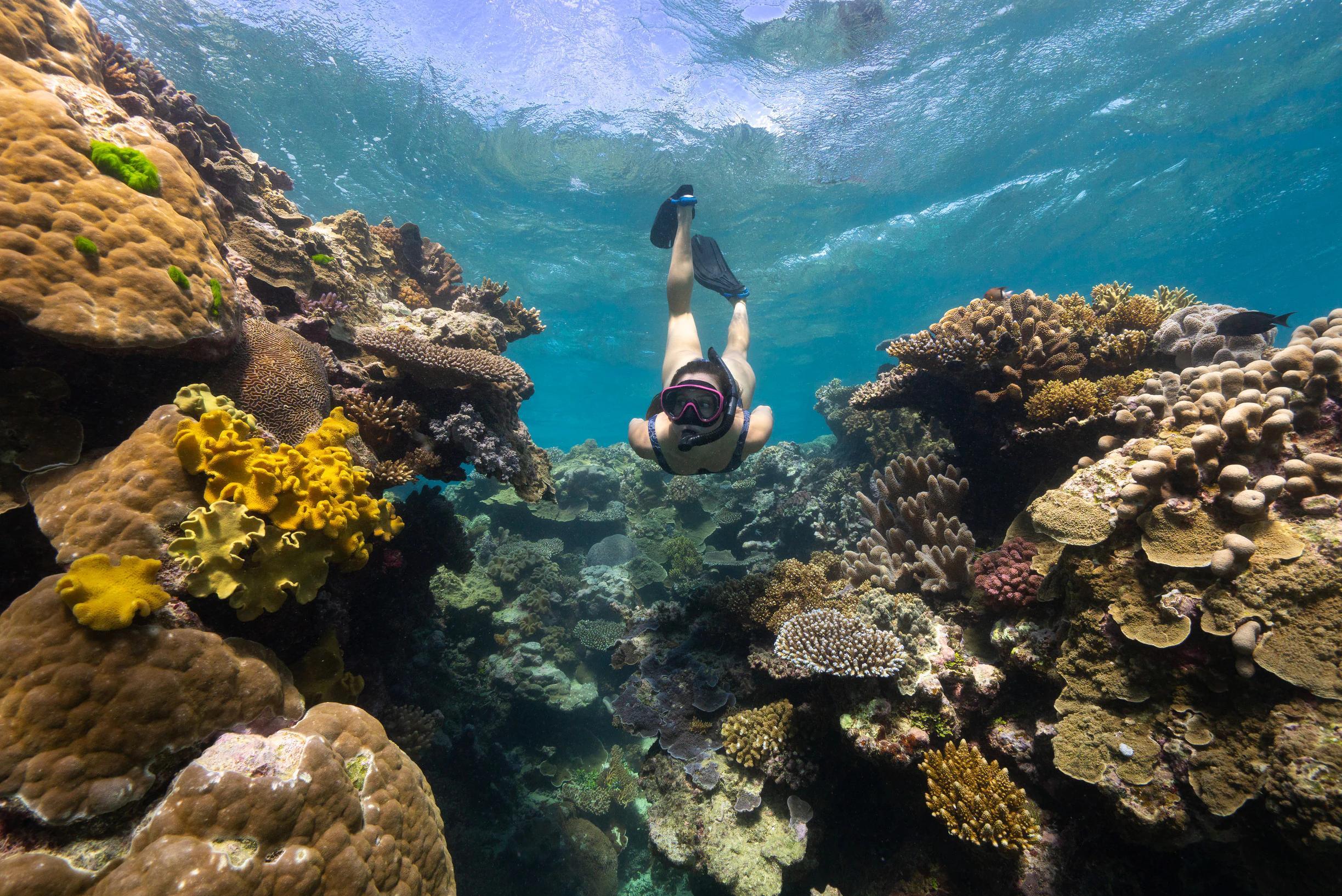
Stretching across 2,300 kilometers of the Australian coastline, the marine park presents an overwhelming number of choices for underwater exploration. Finding the great barrier reef best place to snorkel starts by understanding the geographical division between the inner continental islands and the outer ribbon reefs. The nearshore environments, which include destinations characterized by dense rainforests meeting fringing coral systems, offer calm, protected waters suitable for beginners and those building their aquatic confidence. Because these landmasses sit closer to the mainland river systems and estuaries, the underwater visibility can occasionally fluctuate based on recent rainfall or tidal shifts. Despite this variable clarity, they provide the distinct advantage of gradual beach entry directly into the water, eliminating the need to jump from the back of a boat. Further offshore, the coral cays and outer drop-offs provide a sharply different experience. These isolated patches of sand and limestone form the foundation for extensive coral bommies and deep underwater walls. Advanced swimmers often consider the outer edge as the definitive answer for those researching top Queensland snorkeling destinations, largely due to the consistent oceanic currents that sweep away sediment and deliver exceptional water clarity. In these locations, the ocean floor drops away dramatically, exposing snorkelers to larger pelagic fish, sea turtles, and migrating marine life that rarely venture into the shallower coastal bays. Accessing these remote systems always requires a dedicated vessel transfer, anchoring at permanent pontoons or floating moorings where marine biologists often conduct daily surveys. Evaluating prime coral viewing locations also requires factoring in the departure port, as the character of the marine environment shifts significantly from north to south. The northern sector near the Daintree coast offers tightly packed reef systems separated by narrow, fast-flowing channels, while the southern stretches feature massive, lagoon-like formations that harbor entirely different species. Visitors must objectively weigh the convenience of a short boat ride against the appeal of venturing to the remote outer shelf where human impact is visibly reduced. Planning a successful expedition means looking beyond the brochure imagery and matching the site topography to your personal capabilities. Ultimately, identifying the great barrier reef best place to snorkel requires aligning your comfort in open ocean environments, your tolerance for boat travel, and your specific interest in either fringing coastal corals or dramatic deep-water drop-offs.
“Evaluating prime coral viewing locations requires factoring in the departure port, as the character of the marine environment shifts significantly from north to south.”
Great Barrier Reef Best Place to Snorkel: Top Zones Compared
The Great Barrier Reef comprises distinct zones, each offering different underwater topographies and marine life experiences. Choosing between outer reefs, pontoons, and cays depends on your preference for coral density and water depth.
Outer Ribbon Reefs
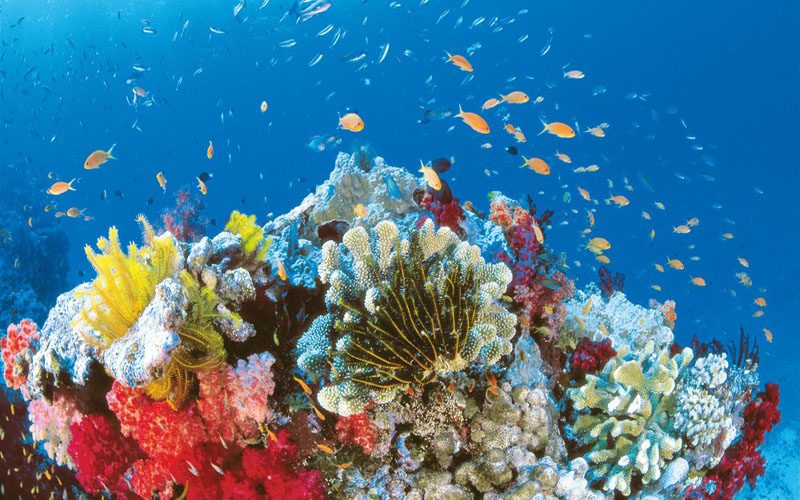
Located at the edge of the continental shelf, these reefs provide deep water access and high coral coverage. They are known for vertical wall structures and frequent sightings of pelagic species.
Drift snorkel along the reef wall to observe varying coral depths.
Inner Reef Pontoons
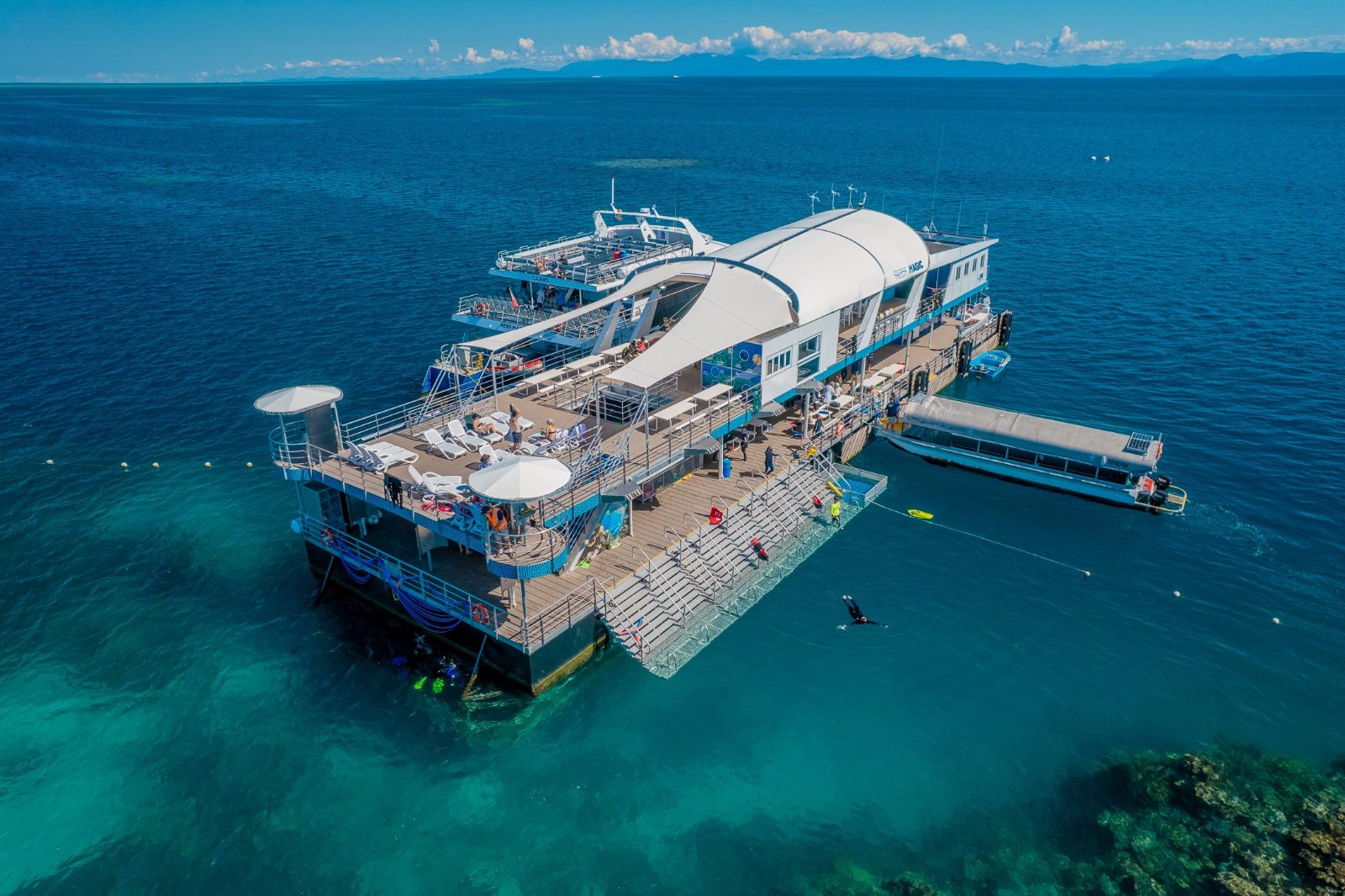
These permanent platforms provide stable, accessible entry points for swimmers of all ability levels. They feature controlled environments often connected to underwater observatories.
Stay near the pontoon ladder to utilize handrails during initial orientation.
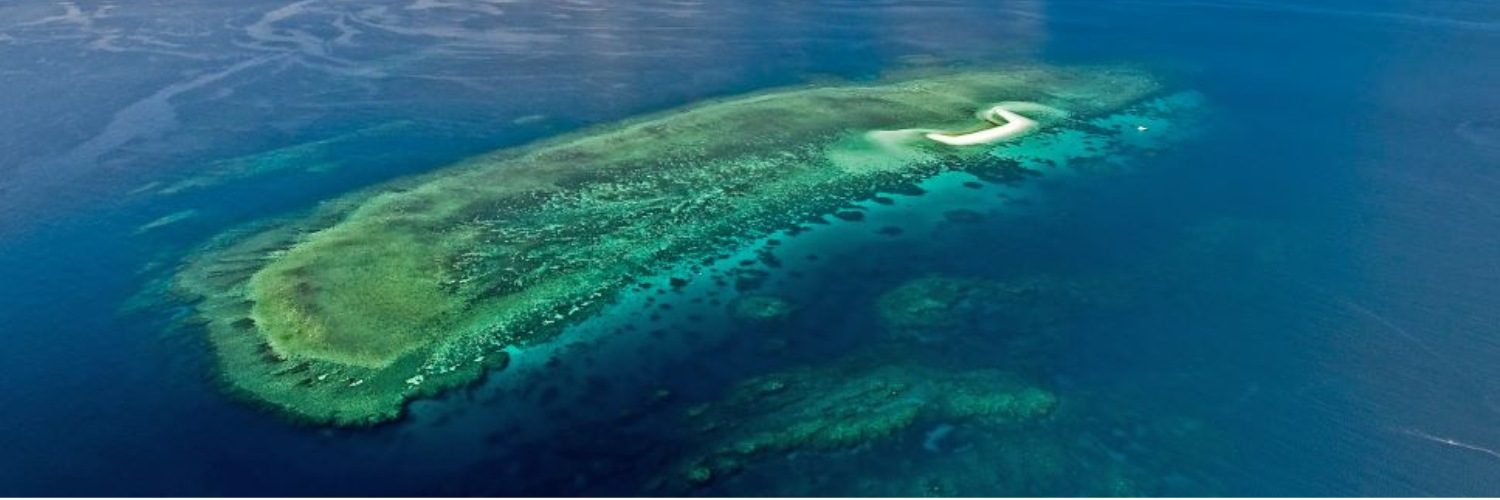
Coral Cays
These low-lying sandy islands are surrounded by shallow, protected lagoons. They offer calm, clear water ideal for spotting sea turtles and smaller reef fish in the shallows.
Walk out from the beach at high tide for effortless entry.
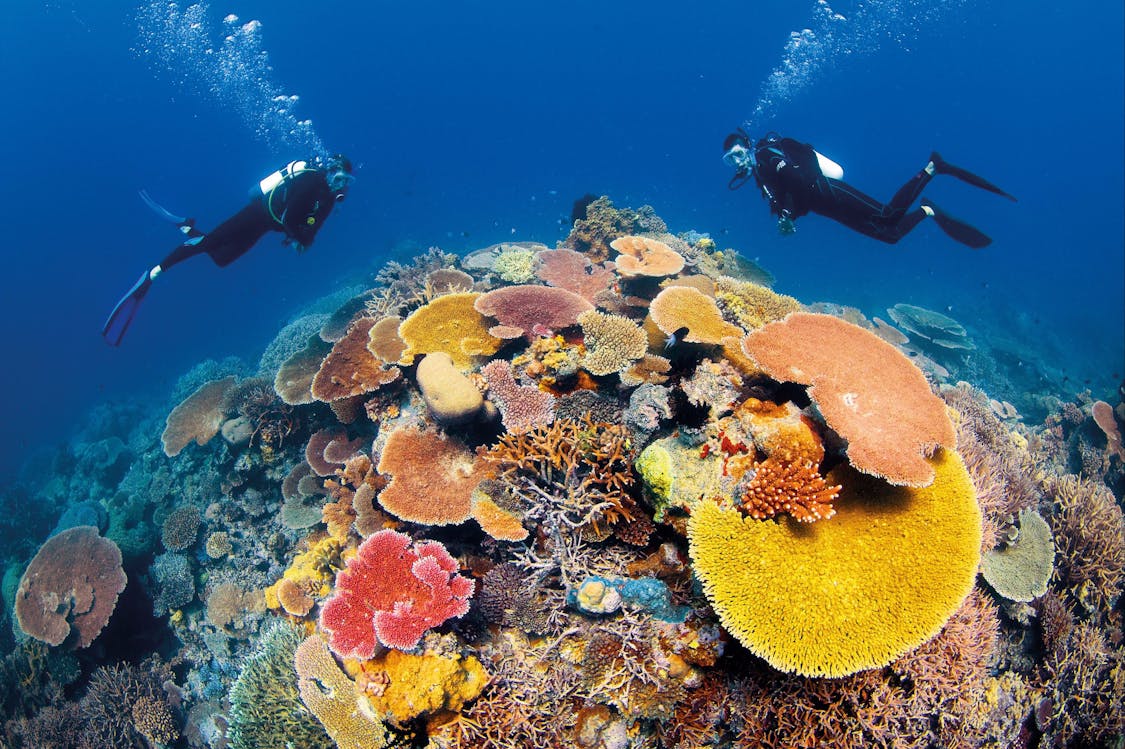
Agincourt Reef
Positioned at the very edge of the reef system, this site is famous for its exceptional clarity and diverse coral gardens. It acts as a primary destination for snorkelers seeking remote reef health.
Focus on the outer reef crest where current flow supports biodiversity.
Getting to the Great Barrier Reef Best Snorkel Spots
Access to the Great Barrier Reef is exclusively by boat from mainland departure points along the Queensland coast. The most frequent departures for snorkel excursions originate from Cairns, Port Douglas, and Airlie Beach.
Departure from Cairns Marlin Marina
Departure from Port Douglas Marina
Departure from Airlie Beach/Abel Point Marina
Snorkeling Etiquette at the Great Barrier Reef
The reef is a living ecosystem protected by strict marine park regulations. Small mistakes—wrong sunscreen, accidental coral contact—compound across millions of visitors and threaten the sites you came to see.
Do
- Use reef-safe sunscreen without oxybenzone or octinoxate
- Keep your body horizontal and fins parallel to the reef surface
- Maintain at least three meters distance from turtles and rays
- Secure all gear and take rubbish back to the boat
- Follow your guide's briefing on current patterns and exit points
Don't
- Stand on, touch, or kick coral with fins or hands
- Chase, corner, or attempt to touch marine wildlife
- Wear chemical sunscreen applied less than 30 minutes before entering
- Feed fish or leave any food waste in the water
- Snorkel alone or drift beyond designated zone boundaries
Facts About the Great Barrier Reef Worth Knowing Before You Snorkel
The Great Barrier Reef represents the largest coral reef system on Earth, offering a vast array of ecological diversity. Understanding its physical scale helps visitors appreciate why selecting the right snorkeling location is essential for a high-quality experience.
2,300 kilometers in length
The reef system stretches over 2,300 kilometers along the Queensland coast, covering an area of approximately 344,400 square kilometers. This immense scale means different sections offer distinct underwater topographies.
2,900 individual reefs
The marine park consists of roughly 2,900 individual reefs and 900 islands and cays. Each of these formations supports unique coral colonies and marine life populations.
1,500 species of fish
Researchers have documented over 1,500 species of fish within the reef ecosystem. This high biodiversity is a primary reason why visibility and reef health vary by location.
400 species of coral
The reef is home to more than 400 distinct species of hard and soft coral. These structures form the complex habitats that attract diverse marine organisms.
6 species of sea turtles
Six of the world's seven species of marine turtles are found in the Great Barrier Reef. These animals rely on the reef's varied environments for feeding and nesting.
30 species of marine mammals
The area hosts 30 species of whales, dolphins, and porpoises. Many of these animals frequent specific reef zones during seasonal migration periods.
Great Barrier Reef Snorkeling Checklist Before You Go
Reef snorkeling requires a few practical steps beyond timing and transport.
-
Book your tour or reef access early — Popular operators and moorings fill weeks ahead, especially June–October.
-
Check swim confidence and consider a flotation vest — Most sites are deep-water moorings with no shallow wading entry.
-
Pack reef-safe sunscreen and a rash vest — Chemical sunscreens damage coral; a vest reduces reapplication needs.
-
Confirm weather and sea conditions 24 hours prior — Wind above 20 knots reduces visibility and makes snorkeling uncomfortable.
-
Bring prescription goggles or contact lenses if needed — Standard masks do not accommodate glasses; clarity matters for coral detail.
-
Verify your operator includes the Environmental Management Charge — The 8 AUD per-person fee is mandatory but some tours bundle it.
Check availability
Common questions about Great Barrier Reef snorkeling
Everything you need to know about great barrier reef best place to snorkel