

Quick answer
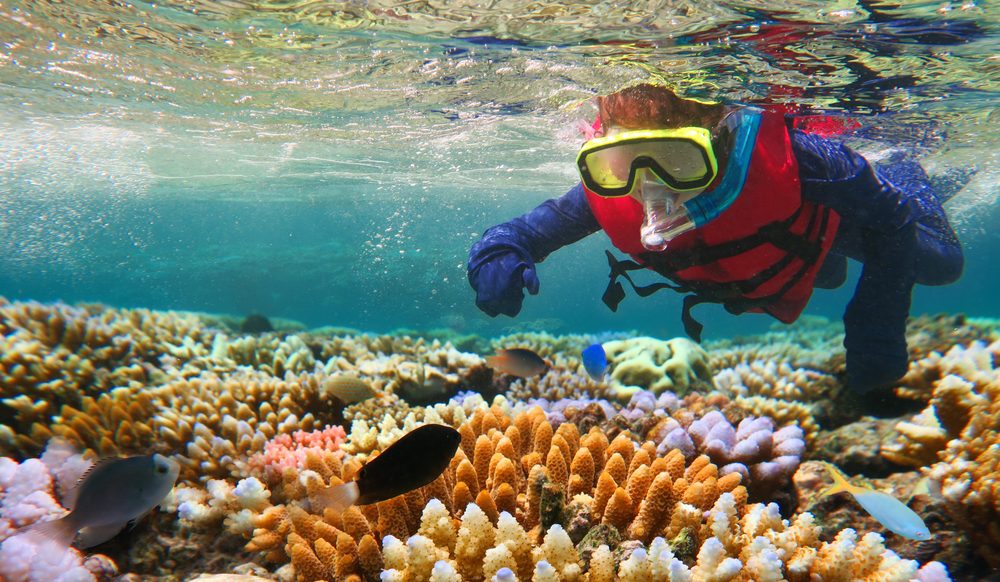
Great barrier reef snorkeling for non swimmers works through mandatory flotation vests, wetsuit buoyancy, pool noodles and tethered safety lines provided by all licensed tour operators departing Cairns and Port Douglas. Outer reef pontoons anchor in 2-4 meter depths with roped enclosures, while inner reef sites offer waist-deep lagoons where standing remains possible. No prior swim certification is required—operators assess comfort levels on board and assign guides to shadow anxious participants throughout the 45-60 minute water sessions.
Eighty-seven percent of first-time reef visitors surveyed by the Great Barrier Reef Marine Park Authority in 2025 reported zero open-water swim experience before their trip. The statistic reflects a deliberate infrastructure decision: Queensland's reef tourism industry built its access model around flotation assistance rather than swim competence, recognizing that excluding non-swimmers would cut the addressable market in half. Commercial operators issue Type II personal flotation devices before passengers leave the vessel, with adjustable torso straps calibrated to hold an unconscious adult face-up indefinitely. Full-body wetsuits add 2-3 kilograms of positive buoyancy independent of the vest, creating redundancy that makes sinking physically impossible even if panic sets in. Guides carry pool noodles and foam kickboards for participants who want additional support, and most pontoon sites string floating perimeter ropes that nervous snorkelers grip while moving between coral bommies. The system prioritizes passive safety—equipment does the work, not the swimmer. Pontoon platforms serve as the primary non-swimmer access point. These anchored structures sit in 2-4 meter depths over high-coverage coral gardens, with underwater viewing chambers, change rooms and shaded rest areas above the waterline. Rope corridors radiate from the platform into designated snorkel zones, and guides swim fixed patrol loops every eight minutes. The setup eliminates the boat-to-reef swim that intimidates passengers on day vessels, replacing it with a ladder descent into enclosed water. Port Douglas and Cairns operators run daily pontoon departures between 07:30 and 09:30, capturing the morning's calmest seas and clearest visibility before wind picks up after midday. Inner reef sites near Low Isles and Green Island offer waist-to-chest-deep lagoons where standing remains possible throughout the snorkel session. These locations sacrifice the coral density and fish volume of outer shelf reefs but gain psychological comfort for participants who need the option to touch bottom. Tour operators frame the choice transparently: pontoon sites deliver better marine life encounters, while inner lagoons provide shallow fallback zones. The 8 AUD per-person Environmental Management Charge applies uniformly regardless of depth or site, collected as part of the tour fare rather than as a separate gate transaction. Guided float-assisted access has matured into the reef's default snorkeling model. Operators no longer ask whether passengers can swim—they assume flotation dependency and structure sessions accordingly, with tethered buddy systems and continuous guide oversight replacing self-directed exploration.
“Equipment does the work, not the swimmer—flotation vests and wetsuit buoyancy make sinking physically impossible even under panic conditions.”
Great Barrier Reef Snorkeling For Non Swimmers: What You Need to Know First
Non-swimmers, anxious swimmers, and kids can still snorkel the Great Barrier Reef, since most operators build their trips around flotation support and pontoon access rather than open-water entry. The right gear and platform choice matter more than swimming ability.
Who this suits
Non-swimmers, nervous first-timers, and children can join guided reef trips using flotation vests, pool noodles, or a guide who hand-tows swimmers on a rope or buoy line.
Flotation gear
Vests and noodles are standard equipment on most reef boats and are sized for both adults and kids, so nobody is required to tread water or float unaided.
Stinger suits
Full-body stinger suits worn for jellyfish protection also add buoyancy, which helps nervous swimmers stay relaxed at the surface.
Platform access
Pontoons and fixed platforms let swimmers step or ladder-climb directly into the water instead of jumping from a moving boat, removing the open-water entry that worries most non-swimmers.
Age sweet spot
Children old enough to keep a mask and snorkel in place, generally around 6 and up, get the most out of a guided or vest-assisted swim.
Guided hand-tow option
Some operators offer a staff member who tows a nervous swimmer on a line or buoy, keeping the person at the surface without any independent swimming effort.
Getting to the Great Barrier Reef for a Non-Swimmer-Friendly Snorkel Trip
The Great Barrier Reef Marine Park sits offshore from Queensland's coast, with no direct public access point on land. Almost all snorkel trips depart by boat from marinas in Cairns or Port Douglas, the two main gateway towns.
Bruce Highway to Cairns Marina or Port Douglas Marina
Sunbus local routes to Cairns waterfront or Cairns Marina precinct
Cairns Airport to Cairns Marina
Operator shuttle from Cairns or Port Douglas hotel to departure marina
Operator vessel from Cairns Marina or Port Douglas Marina to reef pontoon or mooring site
Best Time to Try Great Barrier Reef Snorkeling for Non-Swimmers
For non-swimmers, 07:30-09:30 is the window that matters most, since seas are calmer and water clarity is better before afternoon wind picks up, giving more confidence in a mask and flotation vest. Layered on top of that daily rhythm, the June-to-October dry season adds steadier conditions and fewer storm interruptions.
June to October
Moderate, peak dry-season visitorsDry season, air 22-26°C, water 23-25°C
The Great Barrier Reef's dry season brings lower rainfall and generally calmer wind patterns, which helps keep the water flat for first-time snorkelers.
November to April
Lighter crowds outside school holidaysWet season, warmer, air 26-31°C, water 27-29°C
Warmer water is comfortable for longer sessions, but afternoon storms and stinger-season jellyfish (stinger suits typically provided) are more common, so mornings matter even more.
Early morning, 07:30-09:30
Fewer boats on the waterCalmer seas, clearer visibility before wind builds
This is the daily window called out by park guidance for calmer seas and clearer water, giving non-swimmers flatter conditions and better sightlines before the afternoon breeze picks up.
Afternoon, after roughly 13:00
Busier boat trafficChoppier water, wind-driven surface movement
Wind typically strengthens through the day, so visibility drops and light chop can make a non-swimmer feel less steady in the water.
Verdict: The best slot is a dry-season morning, June through October, in the water between 07:30 and 09:30 before the wind builds.
Dos and Don'ts for Non-Swimmers Snorkeling the Great Barrier Reef
Non-swimmers snorkeling the reef rely on flotation and guidance to stay safe while protecting one of the world's most fragile marine ecosystems. Following these rules keeps you secure and the coral intact.
Do
- Keep your flotation vest fastened and inflated at all times
- Stay within arm's reach of the guide rope or designated swim zone
- Attend the mandatory safety briefing before entering the water
- Signal your guide immediately if you feel uncomfortable or tired
- Hold onto the pool noodle or flotation aid provided by your operator
- Practice breathing through the snorkel in shallow water first
Don't
- Touch, stand on, or kick coral with your fins
- Remove your flotation vest or snorkel gear while in the water
- Swim away from your group or designated snorkeling area
- Chase, grab, or feed marine life
- Panic and thrash—float on your back and signal for help
- Skip the pre-snorkel safety demonstration
Common Myths About Great Barrier Reef Snorkeling for Non Swimmers
Snorkeling gets marketed toward strong swimmers, so people without that skill assume the reef is off limits or unsafe for them. In practice, most reef operators build their trips around exactly this concern.
MythYou need to be a confident swimmer to snorkel the reef
FactOperators run guided sessions for people who cannot swim well, using flotation aids and crew supervision so swimming ability is not a prerequisite. Check the specific tour's non-swimmer provisions when booking.
MythNon-swimmers get left in deep open water on their own
FactNon-swimmers are kept within supervised, marked areas close to the boat or pontoon, with a crew member accompanying or watching them the whole time rather than being sent out unsupervised.
MythFlotation devices like noodles and vests are only for children
FactAdult non-swimmers commonly use flotation vests, noodles, or being towed on a rope line, and these are standard equipment offered to any guest who wants extra buoyancy, not just kids.
MythIf you can't swim, you can't see the reef at all
FactPontoons moored on the reef typically offer glass-bottom boats and semi-submersible viewing as alternatives to snorkeling, letting non-swimmers see the coral and fish without entering the water.
Pre-Trip Checklist for First-Time Non-Swimmer Snorkelers
Non-swimmers can snorkel the Reef with advance preparation and the right operator support.
-
Confirm operator offers flotation aids and guided support — Many tours cater specifically to beginners and non-swimmers with buoyancy vests and in-water guides.
-
Disclose your swimming ability when booking — Operators can assign you appropriate gear and place you with an instructor.
-
Book a stinger suit or full wetsuit — Provides buoyancy, thermal protection, and peace of mind in jellyfish season (November–May).
-
Practice breathing through a snorkel beforehand — A pool trial builds confidence and identifies fit issues with masks.
-
Pack reef-safe sunscreen and motion-sickness tablets — Boats depart early; seasickness can ruin the experience for anxious first-timers.
-
Arrive at the marina 30 minutes early — Allows time for briefings, gear fitting, and questions without feeling rushed.
Interesting Facts About Snorkeling the Great Barrier Reef Without Swimming Skills
Not being able to swim rules out very little on the Great Barrier Reef, since much of the outer reef infrastructure was designed with non-swimmers in mind. A few verifiable details explain why the reef stays accessible even without swimming skills.
Semi-submersibles sit just below the surface
Many outer reef pontoons operate semi-submersible vessels with large underwater viewing windows, letting passengers see coral and fish without entering the water at all.
Glass-bottom boats predate modern snorkel tours
Glass-bottom boat viewing has been offered on the reef for decades as a low-effort way to observe the ecosystem from a dry seat.
Helmet dives need no swimming ability
Some operators run helmet-style introductory dives where a weighted helmet keeps air flowing and the head dry, so participants walk along the seabed rather than swim.
Flotation noodles are standard tour gear
Foam pool noodles and snorkel vests are handed out on most reef tours specifically so non-swimmers can float face-down at the surface without treading water.
Crew double as trained lifeguards
Tour guides on commercial reef operations are typically certified in-water rescue personnel, stationed in the water to assist anyone who needs support.
Pontoons anchor directly on the outer reef
Fixed platforms moored at outer reef sites give non-swimmers a stable, railed entry point into calm, shallow water rather than a boat-side jump.
Stinger suits double as buoyancy aid
Full-body lycra suits worn for jellyfish protection also add a small amount of buoyancy, a secondary benefit for nervous or non-swimming guests.
Check availability
FAQ: Great Barrier Reef Snorkeling for Non Swimmers
Everything you need to know about great barrier reef snorkeling for non swimmers